Nearly thirty years after the 1994 Rwandan Genocide against the Tutsis, its legacy continues to impact the conflict in the Democratic Republic of Congo. The Rwandan government invokes the narrative of preventing further genocide as justification for its interference in Congo, claiming to protect persecuted Congolese Tutsi. However, Rwanda’s involvement has also fueled resentment and backlash against Congolese Tutsi, evoking the complex situation of the Tutsi Population inside Rwanda in the years leading to the genocide.
The origins of Congo’s enduring troubles can be traced to the massive exodus of over 2 million Hutu refugees into Congo shortly after the 1994 genocide. This influx of genocidal killers, non-disarmed former Rwandan Armed Forces (FAR), and innocent civilians catalyzed unrest. These Hutu refugees reorganized into rebel groups like the Democratic Forces for the Liberation of Rwanda (FDLR). Their attacks triggered initial legitimate Rwandan cross-border operations.
It is unclear whether the FDLR, now with an estimated 2,000 fighters, still poses a significant enough threat to Rwanda. However, over time Rwanda’s engagements evolved into economic and exerting regional influence, alleging the need to protect Congolese Tutsi from “genocide” – though its treatment of survivors in Rwanda and Congolese Tutsi refugees reveals contradictions behind this narrative.
Silencing Genocide Survivors
In Rwanda, the current regime silences and marginalizes any survivor who dares question the official state narrative demanding unquestioning loyalty. This narrative portrays RPF rebel forces led by current President Paul Kagame as heroic saviors who single-handedly “stopped the genocide” in 1994, ignoring the reality that there was not a single inch of Rwanda’s territory that genocide did not reach, while the RPF arrived too late to save over one million Tutsi already lost. It implies that all Tutsi survivors “owe their lives” to eternal RPF gratitude and servitude for this supposed salvation.
Any survivors perceived to express dissent or join a different political party of their choice face continued intimidation, imprisonment, mysterious deaths, or violent silencing even decades later. For outspoken survivors like myself now abroad, many of us face organized online harassment and threats to family back home in reprisal for challenging Rwanda’s shining global PR myth.
Manipulating Congolese Tutsi for Rwandan Interests
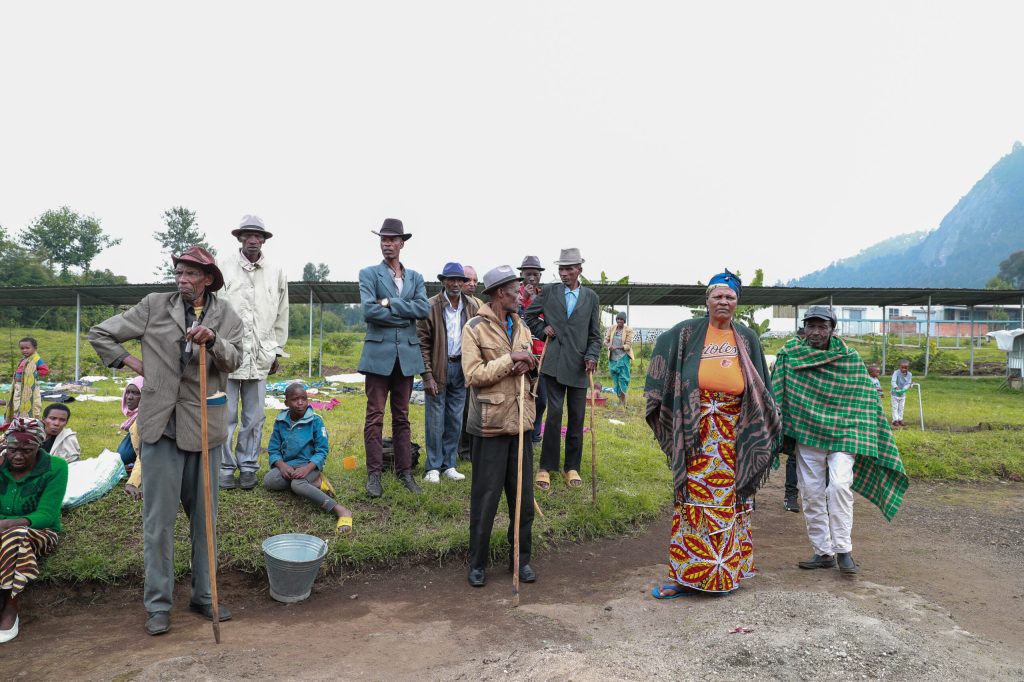
The Rwandan regime cynically manipulates Congolese Tutsis to serve its interests while ignoring their plight. Most of their family members are now scattered across five refugee camps in Rwanda, forced to survive on Rwf 5,700 ($5) per person per month. Over 70,000 Congolese Tutsis have languished in these dire conditions for nearly three decades in five refugee camps across Rwanda. While discrimination against Congolese Tutsis is certainly real, Rwanda’s intentions are questionable.
Dissenting Congolese Tutsi refugees who resist Rwandan forced conscription into its proxy forces or show disloyalty face ruthless suppression both in Rwanda and Congo.
In 2017, Rwanda reportedly provided support for brutal attacks by the rebel group Red Tabara against the Banyamulenge Tutsi tribe in south Kivu, causing death and burning their villages for alleged collaboration with Rwandan opposition groups, RNC/P-5.
In 2018, Rwandan police opened fire on Congolese Tutsi refugees protesting aid cuts at a UN refugee in Kibuye, killing 12 refugees, according to UNHCR. The Rwandan authorities have not revealed how many people were killed nor have they identified those responsible for using excessive force and held them to account.
Paradoxically, Rwanda supports armed Congolese Tutsi groups like M23, a claim officially denied by Rwanda but confirmed by many independent countries and all international rights groups, to defend them from ”ongoing genocide in eastern Congo”. But this support comes at a grave cost.
By directly supporting M23’s actions in Congo and explicitly linking the group to Rwandan power, the Rwandan regime has stoked resentment and hatred toward Congolese Tutsi as a whole. Many Congolese now view their Tutsi compatriots as foreign “puppets” disrupting Congo, their own country at Rwanda’s behest.
While the roots of the conflict were not originally ethnic in nature, Rwanda’s repeated meddling has fueled anti-Tutsi sentiments, redirecting ordinary Congolese anger from their own dysfunctional government onto their fellow Congolese Tutsi civilians.
Echoes of the Situation of Tutsis Inside Rwanda Before 1994
By using Congolese Tutsi as justification and leading them in unquestioning loyalty to its political interests, Rwanda puts them at risk. This echoes the RPF rebels’ manipulation of Rwandan Tutsis in the years prior to the 1994 genocide.
In the lead-up to the Rwandan genocide, many Tutsi families within Rwanda provided moral and material support to the RPF rebels, believing the RPF’s convincing pledges to liberate Rwanda and end the persecution of Tutsis. However, the RPF severely restricted sharing information regarding their military strategies and overlooked the safety concerns of the Tutsis trapped inside Rwanda. This left the Rwandan Tutsi population unprepared when the genocide erupted.
Over one million Rwandan Tutsis still within Rwanda were then methodically slaughtered in the genocide simply for being ethnic Tutsis, as well as suspected accomplices of the RPF rebels. The RPF ultimately took power out of the genocide’s ashes in July 1994 while we survivors were left to mourn all that we lost – loved ones, communities, futures.
Now, I fear that three decades later, history is at risk of tragically repeating next door in Congo as some Congolese Tutsi civilians find themselves similarly used as dispensable Rwandan proxies and scapegoats. Just as the RPF callously exploited the trust of Tutsis within Rwanda, it will likely abandon its Congolese allies once their value is depleted. Yet many seem not to heed these warnings.
A fatal Mistake
In 1994, we made a similar fatal mistake. We overlooked early warnings about the RPF rebels’ intentions. We heard accounts of young Tutsi recruits from Rwanda being executed by RPF forces soon after joining the rebels’ ranks. Merely being educated or fluent in French spurred suspicion and jealousy among the mostly exiled Ugandan RPF ‘Afandes'( senior rebel soldiers). These youths would be accused of being enemy spies then ruthlessly killed via rebel practice known as “Gufanyiya.”
The full number of lives lost this way may never be fully tallied. But with a mournful heart, I write now for the memory and justice of those courageous young lives cut short by their own liberation movement. This grim reality should no longer go unspoken just because its rawness pains survivors.
These murders already exposed rifts between the RPF’s inner circle and Rwanda’s Tutsi trapped inside the country. And they foreshadowed greater betrayals to come, as seen in the marginalization of genocide survivors that persists today.
The warning signs were present, but we tragically failed to heed them. Had we understood sooner their hungry ambition concealed beneath the façade, perhaps less blood would have paved their rise to power?
In retrospect, it has become clear that the RPF rebel leaders from Uganda harbored deep-rooted prejudices and resentment towards Tutsis who did not flee Rwanda as they did following the violent 1959 Hutu Revolution. This is evident now because some of those leaders voice such views without hesitation or derogatorily label us “Collaborators” of the Habyarimana regimes when we do not display expected allegiance.
Back in 1994, The Tutsis inside Rwanda envisioned an inclusive future, with equal rights and opportunities for all Rwandans that they previously lacked. However, as it transpired, the RPF’s sole objective was to attain absolute control and authority.
Although we allied with and supported the RPF’s cause, we Rwandan Tutsi civilians painfully suffered the consequences when Hutu extremists almost succeeded in annihilating us.
Lessons for Congolese Tutsi
The lessons of history are clear, though often learned through sorrow. To my Congolese Tutsi brothers and sisters, I strongly urge you not to repeat Rwanda’s painfully tragic past.
Do not allow yourself or your community to become blind followers or disposable tools of external forces, devoid of agency in charting your own destiny.
Seek instead to build connections and understanding across ethnic groups to forge an inclusive, just vision for Congo’s future – one where all have a voice.
Your fate lies in your hands alone. We Rwandans had to learn this truth the hardest way imaginable. Ends
By Albert Gasake, November 21, 2023.


 Justice4 Survivors
Leave a comment