In response I got the same old story from the officials: reparation is divisive, logistically impossible, the Government and genocide convicts are too poor to compensate and too busy with development priorities, etc.
As we speak, A technical feasibility study showing among others, sources of funding, is buried in the drawers of the government since 2014.
Truth is that a Government that spends millions of dollars sponsoring the richest Soccer Team in the world, Arsenal, is certainly not too poor to provide reparations. Ends.
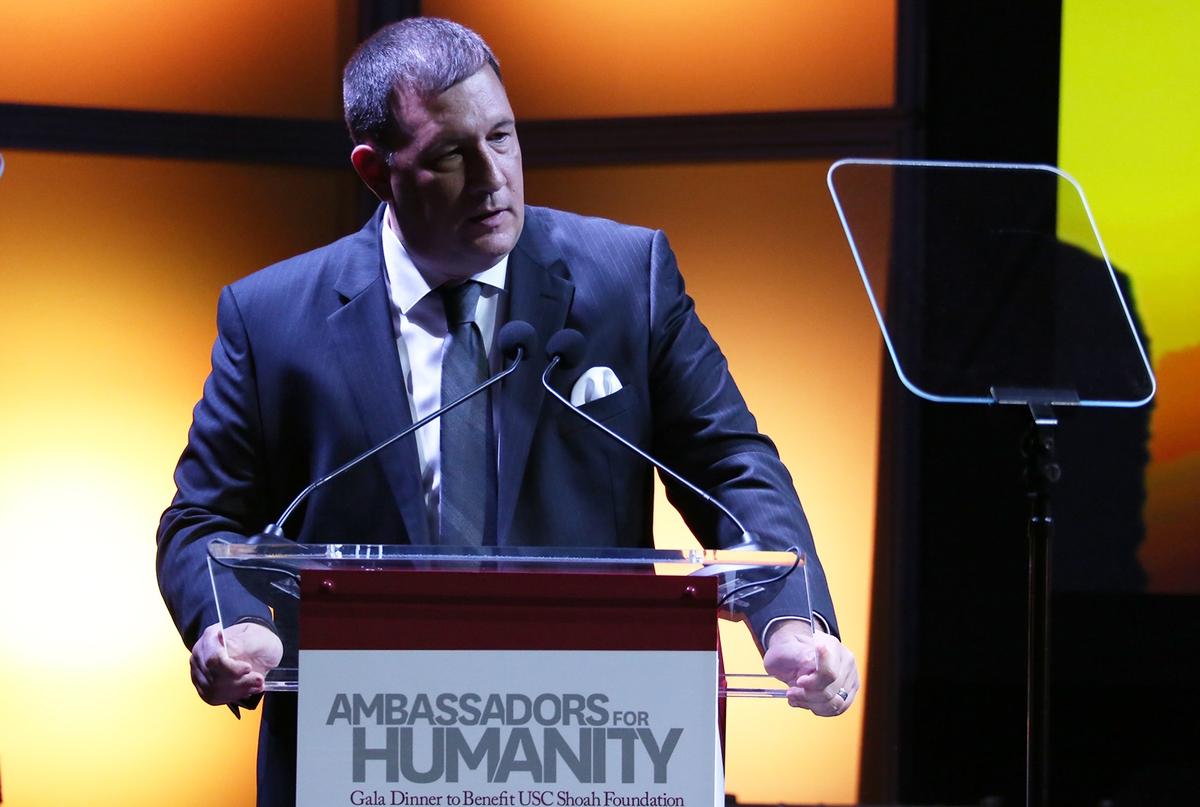
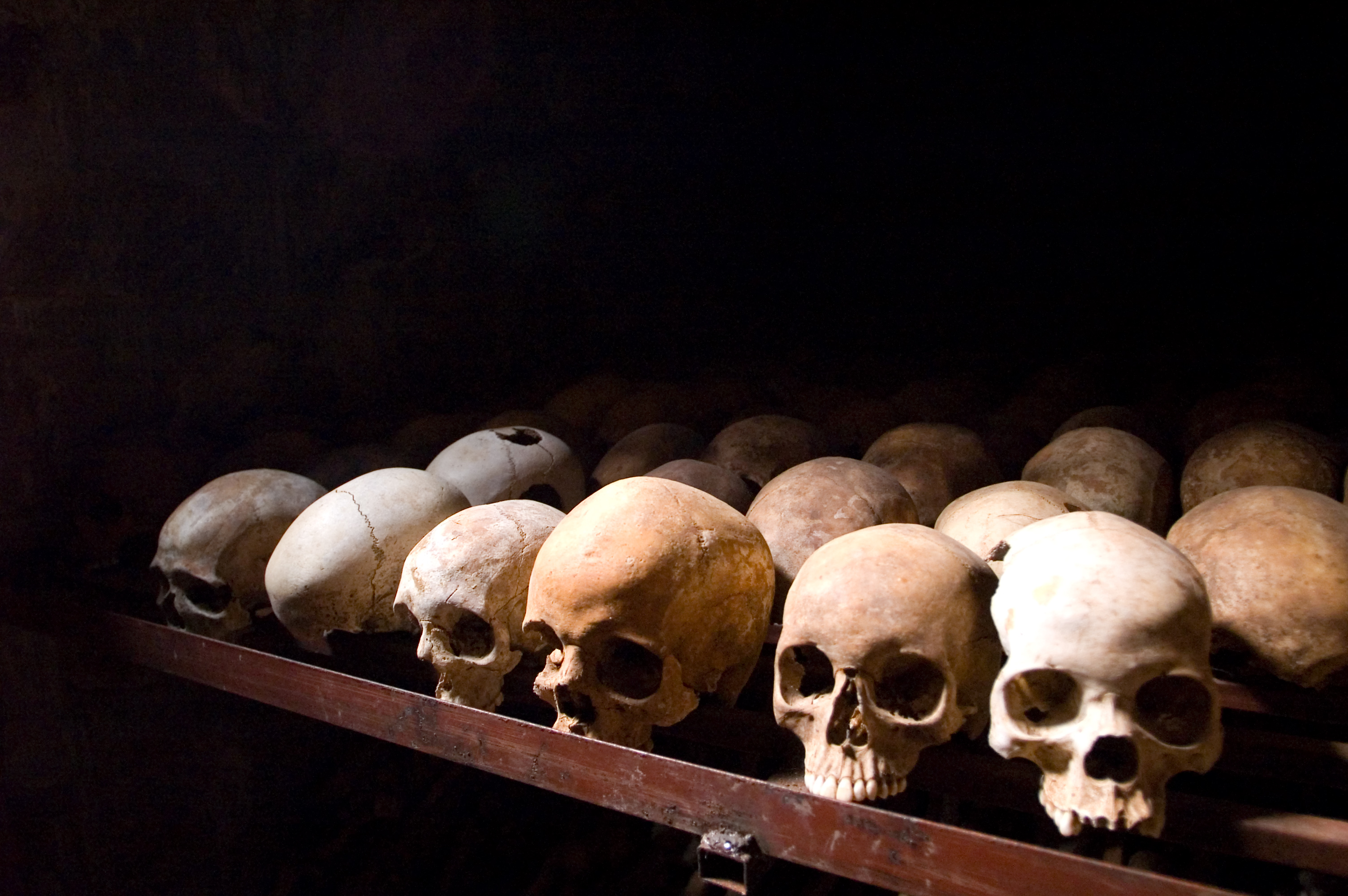
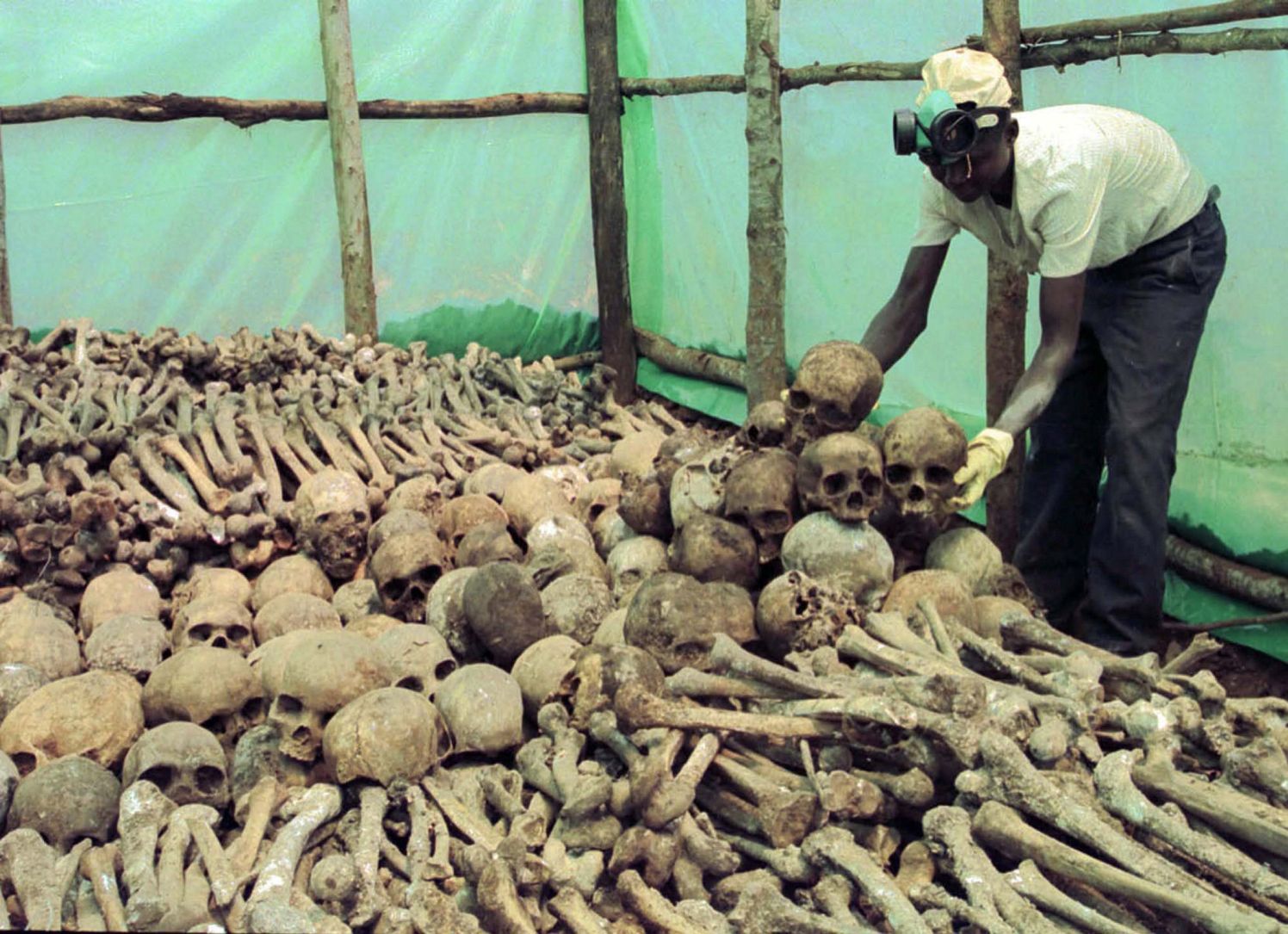
Watch Corey Harbaugh, a Michigan-based genocide educator, speaking at our annual genocide commemoration event, in remembrance of over 1 million lives lost during the 1994 Rwandan genocide against the Tutsi. If you would like to learn about one of the darkest chapter in human history through stories, poetry, and getting insight as to who we are as humans, then this video is a must watch for you! Click here to watch
Kwitwa cyangwa kwiyita uwacitse ku icumu rya jenoside yakorwe abatutsi cyane cyane kubatuye hanze y’u Rwanda bisigaye bisa nkaho ari umudeli ugezweho! Umuhutu wabaye mu nkambi za Tingi Tingi arandika igitabo ati narokotse jenoside yakorewe abatutsi. Umututsi wavukiye mu buhungiro i Bugande cyangwa mu bindi bihugu uvuganye n’ibitangazamakuru mu mahanga ati narokotse jenoside! Uwahunze ubwicanyi bwibasiye Abatutsi uko ingoma mputu zagiye zisimburana kuva muri 59 ati narokotse jenoside yakorewe abatutsi! None amaherezo, uwarokotse jenoside yakorewe abatutsi ni nde?
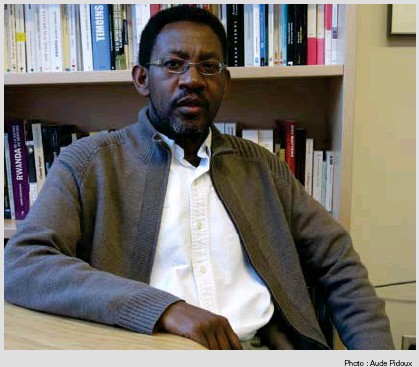
Nisunze Dr. Philippe Basabose, Umwarimu akaba n’Umuyobozi w’ishami ry’indimi, ubuvanganzo n’umuco muri Kaminuza Memorial University mu gihugu cya Canada, ngo adufashe gusesengura iki kibazo.
Dr. Basabose mu nyandiko irambuye yasohoye none arasubiza iki kibazo mu magambo yumvikana kandi atanyura ku ruhande. Uwacitse ku icumu rya génocide yakorewe abatutsi ni nde?Kanda hano usome inyandiko irambuye ya Dr. Basabose
Mu ncamake Dr. Basabose aragira ati:
Uwacitse ku icumu ni uwarigezwe!
uwacitse ku icumu rya génocide yakorewe abatutsi, ni uwarigezwe, ni uwarihigishijwe, ni uwari aho iyo génocide yabereye igihe yabereye. Ni abo umugambi wo kumara abatutsi wacuzwe muri contexte y’intambara ya 1990-94 wari ugamije kurimbura. Numva ibi bitagombye kugorana kubyumva kubera izi mpamvu :
3) Iyi myaka hafi 25 ishize génocide ibaye abayirokotse benshi, abayibonye batahigwaga ndetse n’abayikoze batanze ubuhamya bwinshi (ku buhamya bw’abakoze génocide wareba cyane cyane ibyavugiwe mu nkiko za gacaca cyangwa ubuhamya bwakusanyijwe n’abanditsi batandukanye). Mu magambo abicanyi bavugaga ntibigeze bahisha uwo bahigaga haba ku maradiyo, mu ma nama bakoreshaga, mu nduru bavuzaga bakangurira abahutu bose guhaguruka bakica abatutsi.
Dr. Philippe Basabose. Photo/Aude Pidoux
Nta Mpongano
Niba ushaka aho akaga k’abahutu bishwe muri génocide gatandukaniye n’ak’abatutsi bicwaga barimo, utekereze kuri imwe mu ntwaro zakoreshejwe muri génocide yitwaga “ntampongano”. Umuhutu yari guhonga, akihakana ibiterezo bye, akambara uruhu rw’abicanyi akaba umwicanyi mu bandi ntiyicwe mu gihe umututsi nta mpongano n’imwe yashoboraga gutanga ngo ntiyicwe.
Wibuke ko guhonga kwariho ku mututsi kutari ku gukiza ubuzima ahubwo kwari ku kwicwa “neza” (gutanga amafaranga ngo wicishwe isasu cyangwa wicwe utagaraguwe, n’ibindi). Aha na ho unyumve neza, sintesha agaciro na busa ubuzima bw’abahutu bishwe muri génocide bazira ibitekerezo bya bo. Umuntu wishwe kubera yagaragaje ko adashyigikiye umugambi wo kwica njye numva ari umu martyr, ari intwari ikwiye guhora yibukwa.
Ese abo mu miryango y’abo bahutu barokotse ni abacikacumu ba génocide yakorewe abatutsi? Niba barahizwe, wavuga ko ari abacikacumu b’ubwicanyi bwakorewe abahutu batavugaga rumwe n’abagénocidaires.
Ubwicanyi bwa 59,…
Kwibaza niba ubwicanyi bwakorewe abatutsi hagati ya 1959 na mbere ya génocide yemejwe na ONU na bwo ari génocide ubwabyo ni ikibazo gifite ishingiro.Ese hagize usaba ko ubwicanyi bwakorewe abatutsi mbere y’iyi génocide na bwo bwitwa génocide bikemerwa, byafatanywa n’iyi génocide byose bikitwa génocide imwe cyangwa zaba génocides ebyiri (cyangwa zinarenze ebyiri bitewe n’inshuro ubwo bwicanyi bwabaye)? Kubera iki kibazo gishingiye kuri “bigenze bitya” (question hypothétique), nta gisubizo ngifitiye. Cyakora ku bwanjye numva uwabigira génocide imwe hari aho yaba ayobye.
Gucica ku icumu ni akaga. Si ishema, si ikivugo!
Kuba umucikacumu ni akaga. Si ishema, si icyivugo. Umucikacumu wese azi icyo abana ku mutima. Niba koko hari uwumva na we ashaka kwitwa umucikacumu wa génocide yakorewe abatutsi atari we (nk’uko nagerageje kubisobanura), n’ubwo navuze ko atari ngombwa kugereranya akababaro, sinzi niba azi icyo arwanira? Sinzi niba atekereza akaga uwarokotse génocide abana na ko.
As I read about this moving development, I realized that one key factor is strikingly at the core of all major genocides of the 20th century—Impunity.
Between 1904 and 1908, Germans massacred thousands of Herero and Nama people in what has been called the “first genocide of the 20th century.” No single German was ever brought to account.
A few Years later, the Ottoman Empire systematically exterminated Armenians by starvation in deserts—A mantra that Germans had used against Herero well before. Again, the Turks went unpunished.
Who, after all, speaks today of the annihilation of Armenians?
Boasting about impunity, Adolf Hitler said on August 22, 1939 ‘’ who, after all, speaks today of the annihilation of Armenians?’’ and from there the impunity became a pattern.
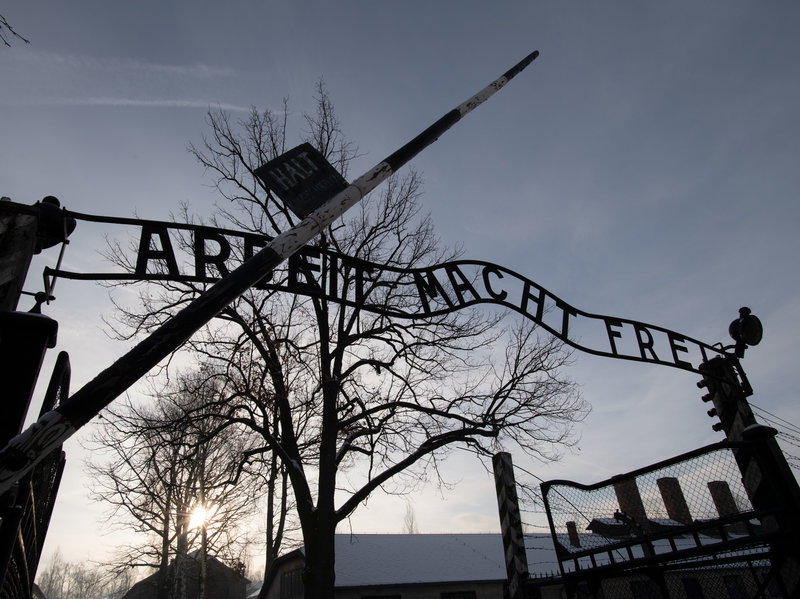
If you think that the Germans’ Concentration camps and Dr. Mengele’s human experiments on Jews, were the Nazis invention during the World War II, you’re simply wrong.
Concentration camps were an old formula successfully tested by colonial Germany in Africa, before being replicated by Hitler in Europe over 30 years later.
The same is true for the genocide against the Tutsi in Rwanda.
There was no need to reinvent the wheels in 1994.
The methods senior Hutus used to massacre the Tutsi back in 1959, the 60s, the 70s, and 90s were simply replicated to a larger scale by the second generation Hutu in 1994. Bariyeri (Street Checkpoints to track Tutsi), Ibitero (Killing squads) and dumping victims’ corpses into rivers are some of those methods.
It is, therefore, crystal clear that impunity is ultimately a key factor that all genocide share in common. Had the Germans been held accountable to the genocide of Herero, perhaps the Holocaust would have been mitigated. The same can be said of the Genocide of Tutsi Rwanda.
While I commend the German government efforts to revisiting its one-century old pattern of impunity, German should move a little further to publically apologize and pay reparations to the descendants of Herero and Nama genocide victims. End
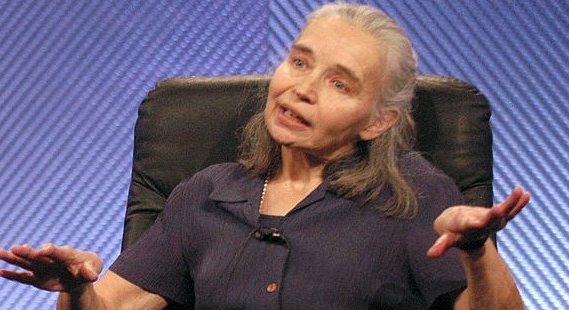
Today, she would have turned 76 years old. Her name is Alison Des Forges. For many in the human rights world, Dr. Alison Des Forges needs no introduction. This eminent human rights advocate died in a tragic plane crash nearly 10 years ago. Des Forges may have passed on but her outstanding work remains to inspire us all and generations to come.
Her award-winning account of genocide, Leave None to Tell the Story remains the primary source to understanding the political machinery behind the campaign to wipe out all the Tutsi from the face of Rwanda.
Resolve to name and prevent Genocide
While politicians were still playing with words, she became the first voice to call nations to stop the wave of genocide that she clearly saw coming ahead of time. When her call went unheeded, she challenged policymakers to call it by its rightful name–Genocide of Tutsi.
Fighting for justice
Des Forges testified as an expert witness in a dozen trials involving the masterminds of genocide.
Like all human rights advocates, Des Forges had her share of criticisms. In many cases though, I think it is fair to say that the weight of her work and dedication to human rights values, trumps by far any criticism against her so far. Well, I stand to be corrected!
In the comment section below, please write your views on Des Forges’ legacy.
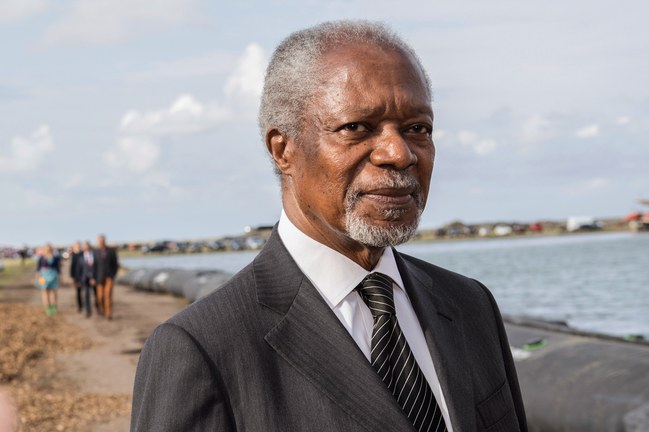
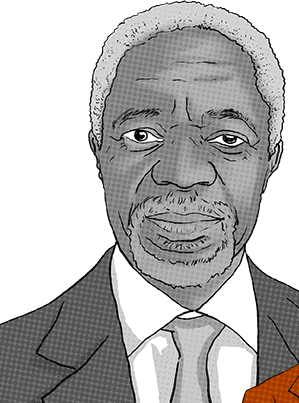
Kofi Annan’s ability to project an unflappable persona was generally cited as his great strength. But in other, much more profound ways, this aloofness was his defining weakness. Photograph by Mischa Schoemaker / Sipa / AP
The news stories about the passing of Kofi Annan continue to float around in the media. Philip Gourevitch, one of the best writers on Rwanda genocide against the Tutsi makes his voice count as well. He eloquently discusses how Kofi Annan failed to express any shred of remorse towards his actions or inactions during the genocide of Tutsi in Rwanda and other mass atrocities crimes of the 90s across the globe. Gourevitch’s piece in the New Yorker today is definitely a must-read. Click here to read more.
Former UN Secretary General, Kofi Annan. Photo credit: Pulse.com
When I woke up late this morning, the news stories about the death of former UN Secretary General, Kofi Annan, greeted me. I had to bite my tongue, however, to honestly mourn this man, who, once assumed an office with the power to make decisions of life and death over many lives including my own life back in 1994.
Amidst a dozen newspaper articles praising his legacy, I rushed to check on survivors’ and some genocide scholars’ virtual platforms to make sure I’m not the only one questioning Annan’s legacy.
Not to my surprise, most survivors expressed mixed feelings at best and ‘‘who cares’’ kind of reaction at worst.
‘’Today, Kofi Annan goes down in history as a person who ignored the call to assist people in great danger. He will join in hell his boss Boutros Boutros Ghali and Francois Mitterrand who sided with genocidaires till the end’’, One survivor observed with anger.
This reaction is usually in stark contrast with basic ethics in our culture. If a human being dies, the Rwandan culture dictates us to express sympathy or at least keep silent. But the genocide of Tutsis in Rwanda broke down nearly each and every values and ritual we once believed in. Growing up we were told “Umuntu ni nyir’igitinyiro’’, a human being is sacred. But in 1994, we watched our families being chopped off with machetes and their corpses left on street rotting at the mercy of wild dogs.
Coming back to Annan, we are in a difficult position here: how can you express sympathy to a man who displayed utter indifference, if not complicity, when your family was being slaughtered? A ‘’tit for tat’’ sentiment seems to be absolutely a fair reaction to me. After all, why can’t we question the legacy of an official like Kofi Annan who failed to do, or at least try and fail to do, the job he signed up for?
Kofi Annan’s Passivity towards Genocide of Tutsi
Kofi Annan’s unconscionable passivity in the face of word that the Hutus were planning on slaughtering the Tutsis, amounts to complicity according to many genocide scholars.
Former Israeli Amb. Dore Gold’s book, Tower of Babble, documents Kofi Annan’s upsetting role in the genocide of Tutsis.
The most startling revelation: Despite having credible advance warning that a genocide was imminent, Kofi was the man who spearheaded the UN’s unconscionable position of “neutrality” as Hutu militias murdered thousands of Tutsis per day.
On January 11, 1994—three months before the genocide began—Major General Romeo Dallaire, head of the original UN peacekeeping unit in Rwanda, sent a secret cable to UN officials in New York warning that a “very, very important government politician” had put him in touch with a Hutu informant who warned that Hutu militias were planning the “extermination” of minority Tutsis.
No alarm bells went off at the UN, even though, as Gold writes, “Warning signs of an impending massacre were everywhere.” The man running the relevant division at the time, the Department of Peacekeeping Missions, was Kofi Annan. Actually, alarm bells didn’t necessarily have to go off, as Gen. Dallaire offered a silver lining: He knew the location of the Hutus’ weapons cache, and he was planning to seize it and stop the slaughter before it started.
But his plan to save hundreds of thousands of lives was short-circuited by Kofi Annan, who didn’t want to upset the sitting Hutu government or in any way appear to be taking sides. Not only did Kofi not do anything to prevent genocide, but his actions almost assured that the Security Council wouldn’t either.
Hiding truth about Genocide of Tutsi
According to various accounts cited by Gold, including the UN’s own post-debacle report, Security Council members complained that Kofi’s department kept them in the dark, not revealing the true nature and full extent of the genocide. Kofi’s caution could not be chalked up to doubts about the accuracy of the warning.
The UN secretary general’s personal representative investigated the matter. Despite his well-documented pro-Hutu leanings, he wrote back to the UN that he had “total, repeat total confidence in the veracity and true ambitions of the informant.” In other words, not only did Kofi and the UN have a Hutu informant who gave them advance notice of the genocide, but they were able to verify the veracity of that informant.
Still Kofi insisted on doing nothing. Once the slaughter started and tens of thousands had been murdered, Kofi acted—just not the right way. To make sure that Gen. Dallaire’s men were not trying to stop the genocide, he instructed the commander in Rwanda to “make every effort not to compromise your impartiality or to act beyond your mandate.”
Kofi’s advocacy for “impartiality” no doubt helped lead the Security Council to slash the already small peacekeeping contingent almost 90%.
So, let’s face it. Should we, the survivors, mourn the loss of Kofi Annan? Well, I find no incentive to do so. End
Mutangana said the majority of fugitives indicted are currently living in 14 countries mainly in Africa and Europe.
The Democratic Republic of Congo tops the list of countries that provide safe heaven to genocide fugitives. Uganda, France, Malawi, and Kenya come next on the list with dozens of fugitives sheltered on their territory.
Although the NPPA made significant progress in terms of investigating genocide fugitives abroad, the equally important task of tracking fugitives running free within the country fell between the cracks. When the Gacaca courts closed business six years ago, the national Service of Gacaca Jurisdictions handed over to the NPPA 71,658 cases of genocide fugitives convicted in absentia. These criminals are yet to be brought to justice.
It remains to be seen if any of these criminals at-home or abroad will ever be apprehended. End
Pnina Herzog’s letter/ Israel State Archive first published in Haaretz last week.
Newly published letters show that the desire to ‘score a PR victory’ – not empathy – was key in decision to offer help to victims of Genocide.
The international community awoke too late to the humanitarian crisis in the aftermath of the 1994 genocide in Rwanda, which claimed the lives of some 800,000 people, most of them ethnic Tutsis.
It emerges that in Israel, there were those who wanted to offer aid to the victims while the genocide was raging, and there were officials who were opposed to it.
Discussions about offering aid to Rwanda started at the end of May, a month and a half after the genocide had started.
“A shipment of medicine and supplies at a time when Kupat Holim Clalit (Israel’s largest HMO) is in crisis over a budget shortfall will become a source of public disdain,” Prof. Mordechai Shani, then director general of the Health Ministry, wrote to the Foreign Ministry in June.
“If the Foreign Ministry wants to do public relations, it alone shall bear responsibility for it,” added Shani, who went on to be an Israel Prize laureate in 2009.
Health Ministry documents published this week by the Israel State Archive provide a behind-the-scenes glimpse of the country’s assistance to war-torn Rwanda at the time. There were those who saw it as an opportunity to do conduct public relations for Israel on an international scale, and others who saw offering aid as a huge waste of money. What they all shared, however, was an indifference to the horrible extent of the months-long massacres.
For example, the Zambian government asked Israel for assistance in immunizing its soldiers, who were tasked with deploying in Rwanda to prevent violence, because it lacked the necessary inoculations. The Foreign Ministry wrote a letter to the Health Ministry, saying, “We recommend responding to this modest request through which we can score a double public relations victory – directly with Zambia, and indirectly, with Rwanda.”
Doctors and other medical staff were supposed to be sent to Rwanda via the Médecins Sans Frontières (Doctors Without Borders) organization to assist survivors of the massacres. But a problem arose: Pnina Herzog, the Health Ministry’s deputy director general for foreign relations, discovered that the MSF was not particularly empathetic toward Israelis, and that any staff or volunteers who would be dispatched would not be recognized as Israelis as such, but would join other teams in Rwanda.
Herzog hastened to write to her ministry’s director general: “Since the aim of the operation is public relations, the question arises as to whether it wouldn’t be better to send food, medicine and supplies, and to give this proper publicity instead of sending people and exposing them to disease and difficult conditions.”
In the end, according to the documents, MSF didn’t want to use Israelis and their delegation was cancelled. Instead a truck was sent that included “$10,000 worth of high-protein bars and $10,000 worth of medicine. The truck will be accompanied by a journalist from Channel 2. When it arrives, the cargo will be handed over in the presence of Foreign Ministry officials and local UN representatives.”
Time went by and public pressure grew. At the end of July 1994, the government decided to send an Israel Defense Forces medical delegation to Rwanda. On the day of the flight, the head of emergency services at the Health Ministry, Yosef Arad, sent a letter to his colleagues: “I’ve been asked to help with equipment from our emergency stockpiles and I replied in the negative to all these appeals since I have no other instructions. I’ve been asked for pajamas for adults and children, and intravenous needles. All those who have asked for aid stress that we will not receive any payment for what we provide. The pressure is great because the plane to Rwanda leaves tonight. Requesting instructions.”
The plane departed and Arad fired off an angry letter to the IDF.
“Among the medicines taken to Rwanda were supplies stored next to IDF storage depots, including Rafapen and Erythromycin syrup. I must point out,” Arad wrote, “that these are medicines that are not military property. With all due understanding for the aid the country is providing for Rwanda, and we are in favor of assisting – there was no room for taking these medicines without the appropriate approval.” End.