Category: Be Inspired

  • Why Do My African Friends Know Nothing of the Rwanda Genocide?

    Why Do My African Friends Know Nothing of the Rwanda Genocide?

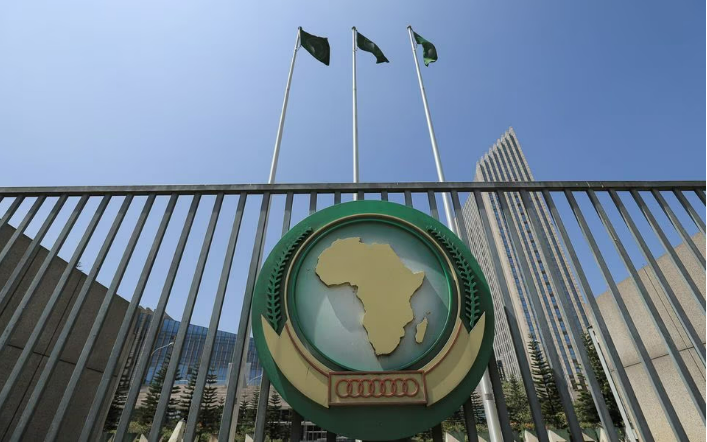
    The African Union logo seen from outside the AU headquarters in Addis Ababa, Ethiopia. Photo/Reuters.

    It never ceases to astonish me how little many of my educated African friends know about the 1994 Rwanda genocide against the Tutsi. As someone who lived this tragedy, I am frequently disappointed by the lack of awareness and indifference shown by many of my well-educated African friends when it comes to this horrific episode in recent African history.

    Time and again, I have engaged in conversations with intellectual friends across the continent: Kenyans, Nigerians, Tanzanians, Cameroonians, and more, only to be asked rudimentary questions about the Rwandan genocide: “When did it happen?” “Who killed who?” “Is it still going on?” These questions reveal a striking level of ignorance among those who I would expect to be informed about such a watershed event on our continent.

    This ignorance is not just about facts and dates. It also suggests a lack of empathy and understanding. Many Africans seem to think that the Rwandan Genocide was a “tribal conflict” that had nothing to do with them. They do not realize that the genocide was a crime against humanity and that it could happen anywhere.

    In contrast, the average educated Muzungu (white) I meet has at least a basic grasp of the Rwandan genocide and its tremendous human toll. However, my African friends can readily expound on the French Revolution or the adventures of Napoleon, or the evils of the British colonial empire – all events long past and far removed from Africa.

    Don’t get me wrong – these European histories deserve study. But it is deeply dismaying that so many of Africa’s best and brightest know little to nothing about the systematic murder of nearly a million Africans on their own continent just a generation ago.

    This pattern becomes even more pronounced during the annual commemoration events we organize in my local community in the United States. I make a point to expressly invite fellow Africans to attend, but very few ever do. Their absence and disinterest mirror the apathy displayed by Rwanda’s African neighbors during the actual genocide in 1994, when the Tutsi were being slaughtered en masse.

    Make no mistake, the West deservedly bears responsibility for failing to intervene during the genocide. However, I feel we let our African brothers and sisters off the hook far too easily for their own unconscionable apathy. For it was our fellow Africans – not Westerners – who witnessed firsthand the accumulating evidence of mass murder as the genocide unfolded.

    Our African neighbors saw the horrors of genocide way before the images began flickering across Western TV screens. It was the Tanzanians who saw the thousands of Tutsi corpses flowing through the Akagera River, which separates Tanzania from Rwanda. The Ugandans watched in callous silence as Lake Victoria overflowed with the floating bodies of Tutsi men, women, and children. The Burundians heard direct accounts from the few survivors able to cross the river into Burundi during the early weeks of the killings.

    And yet, despite all they witnessed, not one of these African nations lifted a finger to pressure the UN for action or intervene themselves. Even venerated African elder statesmen like Julius Nyerere and Nelson Mandela largely failed to act decisively.

    This collective lack of concern among those geographically and culturally closest to Rwanda will always trouble me deeply. It calls into question whether romanticized African concepts like Ubuntu (humanity towards others) and Pan-African brotherhood truly carry any modern resonance.

    For context, Africans helmed the top positions at the United Nations during the genocide as well – with the Egyptian Boutros Boutros Ghali as Secretary General, and Kofi Annan of Ghana leading UN peacekeeping operations. Their failure to strongly speak out casts a pall on the continent.

    As a crime against humanity that took place on African soil, I believe Rwanda’s tragedy should be etched in the minds of all Africans. We must break this disturbing silence and labor intensively to raise awareness about the genocide against the Tutsi. For too long, our history has been defined from a Eurocentric lens.

    My African friends and I may know inside out the tragedies of the white man from centuries past. But we have work to do to remember and memorialize our own recent tragedies first. The souls of one million murdered Tutsi cry out to us for remembrance – and we must not fail them again through our collective indifference. Ends

  • Beyond 100 Days: The Complex Realities and Struggles of Rwanda Genocide Survivors

    Beyond 100 Days: The Complex Realities and Struggles of Rwanda Genocide Survivors

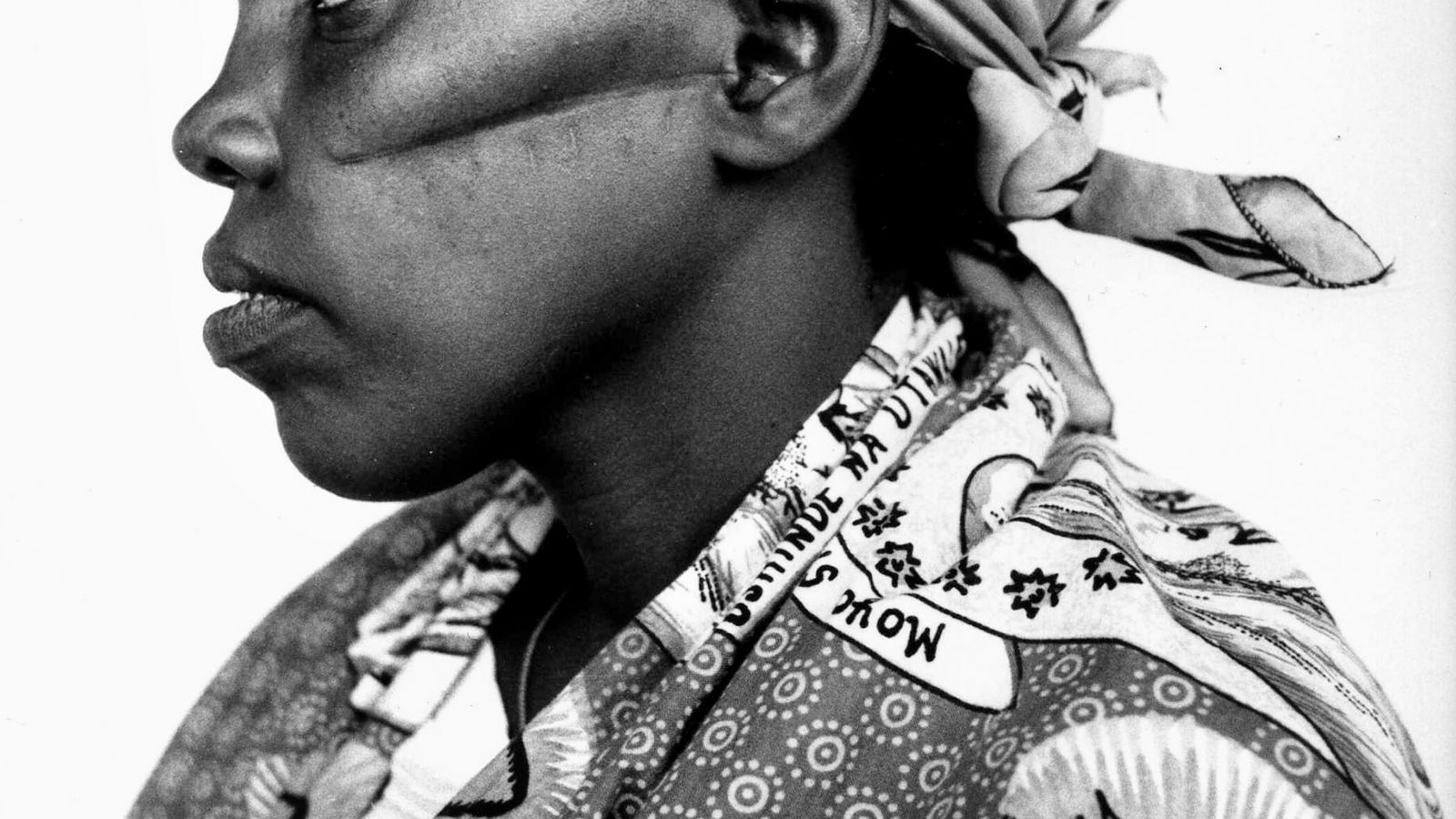
    A woman scarred by a machete attack during Genocide. Photo/Alamy

    As Rwanda officially marked the end of the annual 100-day genocide commemoration period this month, it is worth reflecting on the complex experiences and dilemmas facing many survivors of the 1994 genocide against the Tutsi. The stories we often hear about genocide survivors are ones portraying uplifting tales of resilience – accounts of how survivors have been able to move forward and rebuild their lives with the help of the current government. However, behind these simplistic narratives lies a much more complex reality.

    For a survivor like me and many others, the 100 days of commemoration is not an exercise in national cheerleading. It is an agonizing process of revisiting painful memories and ongoing struggles.

    Now, almost 30 years later, survivors are still fighting for justice and the right to freely share their experiences. The current government of Rwanda tightly controls the narrative around the genocide, portraying itself as the protector and savior of survivors. Public criticism or questioning of the government’s handling of memorialization and commemoration is not tolerated. The government’s sanitized version celebrates resilience and self-reconstruction (Kwigira, kwibuka twiyubaka), overlooking the deep wounds that remain.

    It may come as a surprise to outsiders reading this blog, but the Government even controls how we remember, how long a typical remembrance event lasts, who speaks in such events, who lay a wreath of flowers first, and what local memorial site to destroy or merge into a bigger one to name just a few of many examples of the state’s appropriation of genocide commemoration.

     Memorial sites where massacres occurred are being merged into larger, government-run sites, often situated far away and difficult to access. This move erases the unique stories and experiences tied to each local memory site and robs survivors of their ability to commemorate their loved ones in places that hold personal significance. But these issues cannot be raised without risk of retribution from authorities. Survivors’ experiences are invoked not to listen to their constant challenges but to advance a state’s political agenda and legitimacy.

    The RPF government has frequently exploited survivors’ painful memories to reinforce its political power. Survivors who dare to criticize the ruling RPF or question sanitized commemoration activities find themselves labeled as indashima (Ungrateful), “deniers” of the genocide, or simply “ikigarasha,” a derogatory term meaning a useless poker card. Victims’ remains are controversially displayed in museums, which survivor Yvonne Idamange Iryamigwiza, received a 15-year sentence for criticizing.

    While the government bears significant responsibility for manipulating survivor stories, some opposition parties are not immune to trivializing their experiences either.

    In an attempt to counter the government’s narrative or appeal to their support base, opposition groups especially those operating outside Rwanda reduce survivors’ stories to mere ‘’RPF/Tutsi propaganda’’. Other factions in the opposition go so far as to claim the double genocide theory or draw false equivalencies between the genocide and the tragic but isolated killings of Hutus in the aftermath of the genocide. This false moral equivalence further silences survivors who wish to honor the memory of loved ones brutally murdered.

    Caught in the middle of two opposing forces, survivors face the challenging dilemma of telling or not telling their stories. Within the family, stories are told and retold. But in public forums, they feel pressure to conform and present themselves as fully healed, their scars erased. This internal struggle and dilemma are deeply damaging, placing politics over genuine remembrance and healing of survivors. Their stories demand more nuance, empathy, and understanding from all sides.

    Genocide survivors have a right to tell their full stories, in all their rawness and complexity. They should not be forced to conform to a government-approved narrative that denies the reality of their experiences and struggles. The truth of the genocide belongs to those who suffered it, not to political leaders who claim authority over the telling.

    Rather than being used as pawns in political power plays, survivors deserve to be treated with dignity, empathy, and support. Only then can the commemorations serve their real purpose – to honor the memory of those lost and support those who survived.
    Ends

  • Paris City Names Street After Rwandan Hero

    Simeon Karamaga, one of the Tutsis who headed the resistance in Bisesero

    Paris city authorities in France have confirmed they will name 18ème Arrondissement road after Aminadab Birara, a Rwandan who succumbed to Genocide against the Tutsi but whom before he dies heroically led fellow Tutsi men to fight against Interahamwe militias.

    The decision to name the road after Aminadab Birara is an initiative of the Mayor of Paris, Anne Hidalgo, who also recently visited Rwanda and visited Gisozi Genocide memorial center. 

    The move has been positively welcomed by Genocide Survivor’s Organizations including IBUKA-France.

    IBUKA France President, Etienne Nsanzimana, lauded the authority of Paris for such a decision that seeks to conserve the history of Genocide against the Tutsi.

    In May, French President Emmanuel Macron on his visit to Rwanda recognized France’s role in the 1994 Genocide against the Tutsi.

    He acknowledged that France ignored the warning of the massacre saying “The killers who haunted the swamps, the hills, the churches did not have the face of France. The blood that flowed did not dishonor her weapons or the hands of her soldiers, who also saw the unspeakable with their own eyes, dressed wounds and choked back tears.”

    Aminadaba Birara was chosen because of his heroic acts of fighting against the Interahamwe militias and is regarded as a ‘Bisesero hero’ by different testimonies.

    During the genocide, Tutsi were hunted down as a result some sought refuge in different places in valleys and mountains. Those who were hiding in Bisesero mountains are said to have fought tooth and nail to their last breath.

    Aminadab Birara mobilised all the Tutsis in the area  including children and women to leave their homes and moved up in the mountains and began throwing stones downwards towards the militias.

    Strong men used spears and large stones.

    Despite his fierce fighting, Birara was killed by a grenade thrown by Interahamwe.

    On his death in 1994, Aminadab Birara had escaped multiple attacks.

    He died on 25 June 1994 at 68 years with almost 5,000 other Tutsi’s who had sought refuge at Bisesero hill.

    “Of high and undulating hills, often separated by deep valleys” as described by the prosecution of the International Criminal Tribunal for Rwanda (ICTR), Bisesero made its entry into the history of Rwanda as a ‘bloody entrance’ that hundreds of the Tutsi’s succumbed to Interahamwe machetes.

    As of now, Bisesero occupies a special place among the worst places of the horror of the Genocide against the Tutsi. Witnesses reports account that almost fifty thousand Tutsis who had converged there as of April 7, 1994, from all corners of Kibuye prefecture and neighboring prefectures such as Gisenyi and Gikongoro, only a thousand were still alive when the soldiers arrived.

    The rest were killed by government militias with the help of French soldiers. Ironically, France, 28 years later, acknowledges its responsibility. 

    Click here to read the story of Bisesero Resistance

    SOURCE: Taarifa/https://taarifa.rw/paris-city-names-street-after-rwandan-hero/ 11/20/21

  • Intwari Ntamenye Izina

    Intwari Ntamenye Izina


    Mu gitondo cy’uyu munsi dukangutse, nabajije umukobwa wa mabukwe icyamukoze ku mutima ku munsi nk’uyu twibuka urugamba rwo kwibohora. Yabaye nk’uhumeka asuhuza umutima, menya ko inkuru agiye kumbwira ari inkuru ishora imizi mu ishavu, umwihariko inkuru z’abarokotse irimburabatutsi zihuriyeho.

    Yambwiye ati: “Icyakonze ku mutima ni ubutwari bw’iz’amarere by’umwihariko intwari yambohoye, umusirikare w’ inkotanyi ntamenye izina”.  Arongera ahumeka asuhuza umutima, azenga amarira mu maso, mbega ameze nk’umuntu  wishakamo imbaraga zo gutura umuzigo uremereye. Nuko  atangira kumbwira iyi nkuru:

    Hari mu rukerera rwo ku itariki ya 16 cyangwa 17 z’ukwezi kwa gatandatu, 1994.

    Twari dukikijwe n’urupfu impande zose, nako twari tumaze kumenyera kubana narwo nk’uko umuntu amenyera umwambaro yambara kenshi. Hari haciye ukwezi Mama bamwishe, jye na musaza wanjye, natwe badusize aho baziko twapfuye. Nari maze kumenyera kwirwanaho n’ukoboko kumwe kuko ukundi bari bakurashe ubwo bazaga kutwica Kicukiro, Kagarama, aho twari dutuye mbere ya jenoside.

    Tariki ya 16, Kamena, uwo munsi nibwo twageze kuri St Paul nyuma y’ibyumweru byinshi twihishahisha mu bice bitandukanye i Kigali. Irimburabatutsi ryari rigeze mu cyiciro cy’ihumbahumba kuko hafi miliyoni y’abatutsi yari yamaze kwicwa mu gihugu hose.

    Imirambo y’abatutsi twabonaga hanze ku mihanda no ku misozi itandukanye aho twanyuraga  yarutanga kure umubare w’Abatutsi bakiriho.

    Mu gihugu hose Interahamwe, abasirikare n’abahutu basanzwe bari bahagurukiye rimwe kurimbura umututsi wa nyuma ugihumeka mbere y’uko inkotanyi zibatesha.

    Kuri twe twari twageze mu kigo St Paul,   uwo munsi,  ntibyatinze ko inkotanyi zibatesha.

    Aho niho inkuru y’intwari y’inkotanyi ntamenye izina itangirira.

    Mu masaha atari maremare cyane  nyuma yo kugera St Paul, masenge wanjye, Theophila, wari wabashije kutugeza St Paul, yaje kunkomanga  mu rukerera ngo tugende.

    ‘’Shiki, Shiki byuka tugende.” Numva abwira masenge wundi, Bibiana,  ati: “Ni Inkotanyi zikomanze ku muryango zije kudukiza’’.

    Liberation
    The Liberation monument at Parliament gardens in Kigali. Photo/Doreen Umutesi/TNT

    Nari mubitotsi byinshi. Yari inshuro yambere nsinziriye neza kuva jenoside yatangira. Nkeka ko yari inshuro yambere  kandi, mbere yo kuryama,  nari nkuyemo udukweto mama yari yaranyambitse mbere gato y’uko abahutu bamwica mu ntangiriro z’ukwezi kwa 5 muri 94.

    Utwo dukweto twari tunkozeho.

    Icyokora nitwo twatumye mpura niyo ntwari yanjye nibuka uyu munsi nyuma y’imyaka 25. Twari udukweto dukoze mu mwenda ukomeye umeze nk’ikoboyi, dufite imishumi tuzamuye gato kugeza nko ku tugombabari twanjye.

    Masenge aje kunkangura ngo tugende sinahise ngenda ahubwo nashigukiye hejuru ntangira gushaka twa dukweto twanjye muri uwo mwijima. Nabonye agakweto kamwe akandi ndakabura.

    Mu gihe narimo gushakisha akandi gakweto abandi barasohotse, mpindukira numvise ijwi rimbwira ngo “Wa mwana we ko uri wenyine?” Nti “Nabuze urukweto rwanjye”. Ati “rureke”. Ni uko wa musirikare w’Inkotanyi ntamenye izina, ntabashije no kubona isura ye,  yankubise ku rutugu aranyirukankana.

    Amasasu yavugaga impande zose, bwari butaracya neza.  Anshyira ahagana ibumoso bw’urutugu rwe, iburyo afata imbunda, agenda arwana ansangisha abandi.

    Nta gushidikanya ko uriya musirikare, nako iriya ntwari yanjye ntamenye izina, yabonye ako kana k’imyaka 7 kasigaye inyuma, gafite urukweto rumwe, n’ukuboko kumwe, urukundo n’ikiniga bikamusaga, akemera gushyira ubuzima bwe mu kaga, ngo arokore ubwanjye.

    Na magingo aya sinamenye izina rye, na we ntiyamenye iryanjye.

    Icyokora urukundo n’ubwitange bwe na bagenzi be baturokoye, n’ubwo haciye imyaka 25, mbyibuka nk’aho byabaye mu cyumweru gishize.

    Uko mbatekereje amarira azenga mu maso. Mpora nibaza niba iyo ntwari yamvanye mu mwijima w’urupfu yarabashije kurokoka urugamba ngo ibone umucyo w’intsinzi. Ni ikibazo ntarabonerera igisubizo.

    Uko abasirikare mbarwa b’inkotanyi badukuye mu menyo ya rubamba kuri St Paul, bakatumanukana ahari uruganda rukora imyenda rwa UTEXRWA, tugaterera  Gisozi, bakatwambukisha mu isayo y’igishanga cya Kabuye, imvura y’amasasu ibari hejuru, ni inkuru y’ubutwari yakwandikamwo filimi n’ ibitabo bihambaye.

    Ubu ni ryari Cheri? Reka tubyuke tudakererwa.

    Ni aho Shiki, umukobwa wa mabukwe yasubikiye iyi nkuru yambwiraga, y’intwari y’inkotanyi atamenye izina.

    Nifurije inkotanyi zose zikiriho umunsi mwiza wo Kwibohora n’iruhuko ridashira ku nkotanyi zatabarutse.

    Urukundo twe barokotse irimburabatutsi tubakunda ntirugira amagambo yo kurusobanura. Ends.

    Inkuru yanditswe na Albert Gasake.

    Kanda subscribe ujye ubona izindi nkuru zacu zigisohoka.

  • Impano Idasanzwe

    Impano Idasanzwe

    Uyu munsi abayisilamu bizihiza umunsi mukuru wa Eid al-Fitr natekereje ku mpano idasanzwe umuyisilamu umwe yampaye igihe nk’iki mu myaka 25 ishize. Sinibuka neza itariki uyu mugabo yampereye iyi mpano ariko uwo munsi isoko rya Kinazi ryari ryaremye! Ni mu mpera  z’ukwezi kwa munani, umwaka wa 1994.

    Byari  ibihe bigoye cyane hashize ibyumweru bike jenoside yakorewe abatutsi irangiye, nta mwenda, nta nkweto, nta babyeyi, inzu nakuriyemo barayisenye, inka z’iwacu baraziriye, ntabasha no gusubira ku matongo yacu. Umutekano wari utaragaruka neza.

    Mu ma saa cyenda, saa kumi z’igicamunsi navuye mu nzu twari ducumbitsemo, ngana ku isoko. Iyo nzu nabanagamo na babyara banjye ndetse na mushiki wanjye, nayo ibyayo ni urwenya gusa gusa iyo mbitekereje ubu.

    Yari inzu ubusanzwe yagenewe kuba ububiko bw’ imifuka y’amasaka n’ibishyimbo bitegereje kugurishwa ariko niyo twiberagamo. Ku irebe ry’umuryango hari handikishijeho ikara, amagambo ari mu nyuguti nini agira ati:  ‘’iyi nzu yarafashwe’’!  Abari mu Rwanda muri ibyo  bihe nta gushidikanya ko  iyo shusho muyibuka!

    Ubwo  navuye ‘’mu rugo’  ntembera ngana ku kibuga cy’isoko ridatwikiriye, aho nasanze Masudi, umuyisilamu  wampaye impano ntazibagirwa. Ntabwo yari anzi. Nanjye ni ubwa mbere nari mubonye.

    Kamba Mbili
    Inkweto za kamba mbili/Photo/europeana collections.

    Masudi yari yambaye akagofero k’abayisilamu gafite ibara ry’umweru harimo uturongo tw’umukara dutambitse. Uwo mugabo w’igikara wari mu kigero cy’imyaka nka 40, yacuruzaga ibintu bitandukanye, byose birambuye kuri shitingi hasi. Inkweto za plastiki, intambi z’udutara twa peterori, amasogisi, ibitambaro abagore batega mu mutwe n’ibindi. Nabonaga ari umukire cyane! Kandi koko yari mu bakomeye muri iryo soko kuko abandi bacuruzi baramburaga  hasi ku mifuka yacitse ibicuruzwa byabo bibarirwa ku mitwe y’intoki.

    Masudi yabonye akana ko mu kigero cy’imyaka 10, kambaye ibirenge gusa , n’ivumbi rigera mu mavi, aterura umuguru w’inkweto za kamba-mbili zifite ibara ry’ubururu ahereza ako kana! Akana kamubwiye ko nta mafaranga gafite, maze Masudi akareba mu maso, ahari agira impuhwe. Aragasubiza ati: ‘’ndabizi’’.  Zitware nziguhereye ubuntu.

    Ako kana k’imyaka 10 icyo gihe, ubu ni umugabo w’imyaka 35, wubatse uri kwandika iyi iyi mirongo! Iyo mpano idasanzwe na magingo aya, nyuma y’imyaka 25 yankoze ku mutima, uko mbonye abayisilamu bo mu Rwanda ndabyibuka.

    Amaze kumpereza izo nkweto, icyo gihe zaguraga amafaranga nka 200 cyangwa 300, namanutse niruka n’ibyishimo byinshi nanga guhita nzambara ngo ntazanduza.

    Naherukaga kwambara inkweto ababyeyi banjye bakiriho. Kuva ubwo izo Kamba-mbili zanjye nazirazaga ku musego uko mbyutse nkaziteraho akajisho!

    Abayisilamu bose mbifurije umunsi mukuru mwiza!  Murakagira ibyo mutanga n’ibyo musigarana. Eid Mubarak! End.

  • Holocaust Remembrance Day

    Holocaust Remembrance Day

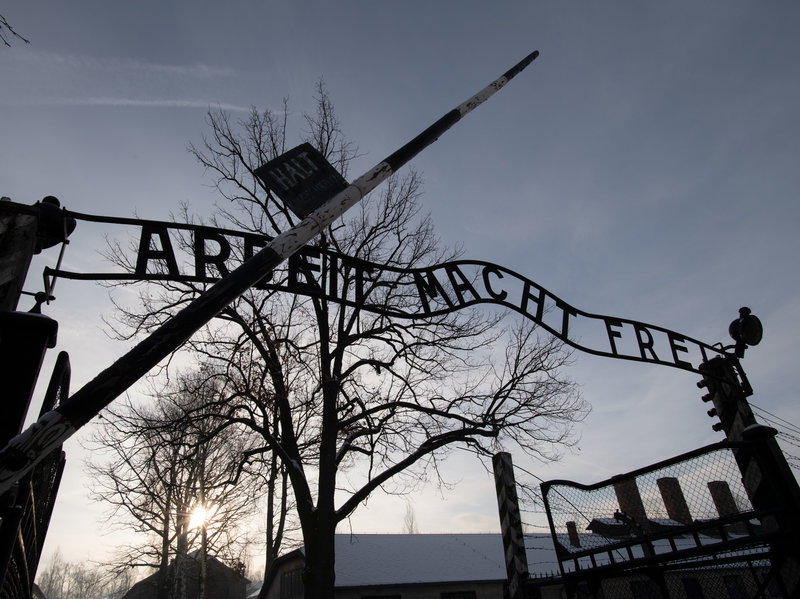
    Today, January 27th, 2019 marks the International Holocaust Remembrance Day. At this occasion, I suggest you watch this incredibly inspiring story of a Holocaust survivor sharing how he survived after 3 years in Auschwitz concentration camp. Click here to watch the video. Credit: BuzzFeed

  • A well-known #Genocide Survivor Gets Married

    A well-known #Genocide Survivor Gets Married

    rurangwa 2
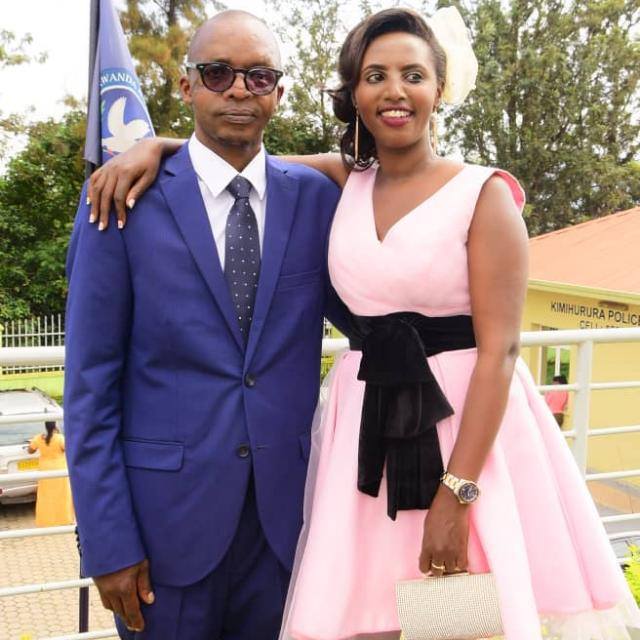
    Author Reverien Rurangwa and his wife Jeanine. Photo/Courtesy

    One of the most inspiring survivors of the Rwandan Genocide against the Tutsi, Reverien Rurangwa, got married yesterday in a colorful ceremony in Kigali.

    Rurangwa rose above incredible adversities to live almost a normal but at times astonishing, life. Every single inch of Rurangwa’s body bears witness to unspeakable atrocities Tutsis endured at the hands of Hutus in the 1994 genocide.

    In addition to several machete blows that disfigured his face, Rurangwa lost his left eye, left arm and thanks to modern advances in medicine, doctors reattached parts of his sliced nose.

    Today, this author of one of the best memoir on the genocide, my stolen Rwanda, is about to achieve his long-awaited life purpose: to give birth to little Tutsis who will continue his mission to tell the story. ”That is my greatest revenge to the Hutus who killed me” said Rurangwa in his book. 

    Rurangwa currently lives in Neuchatel, Switzerland. He is now a proud husband of Jeanine, a beautiful young lady from Rwamagana, a town in the eastern part of Rwanda.

    Many celebrities attended their wedding ceremony including the legend Rwandan singer, Cecile Kayirebwa, who performed acapella singing with the crowd in a traditional ceremony following the vows at  Kimihurura sub-county (Sector) office.

    reverien rurangwa kristian skeie
    Reverien Rurangwa without his artificial eye/Photo: Kristian Skeie

    Reverien Rurangwa was 15 when he watched 43 members of his family being butchered by the Hutus during the genocide.  The story of Rurangwa was featured in the Guardian, TV France, DW, and other major European media outlets. Click here to watch the story of Reverien.

    Written by Albert Gasake

  • Our most-read stories of 2018

    Our most-read stories of 2018

    2019 is just around the corner. The number of our readers continues to expand and our commitment to challenge injustice and indifference grows even stronger. I believe that each and every aspect of Genocide survivors’ life is a story worth telling—their opinions, their fears, and their hopes. As I look back on our most-read pieces of 2018, I’m glad that all these aspects won your attention this year.

    1.  Top 5 Rwanda Genocide Survivors on the move in 2018Eric+Murangwa+Eugene+Investitures+Buckingham+HRkgGaASSLtl
    2. Uwacitse ku icumu rya jenoside yakorewe abatutsi ni nde?
      Dr. Philippe Basabose
      Dr. Philippe Basabose. Photo/Aude Pidoux
    3. Xi Jinping at Kigali Genocide Memorial: Tribute or Hypocrisy?xi-jinping-quote
    4. The Dark legacy of #KofiAnnan

      Former UN secretary General, Kofi Annan. Photo credit: Pulse.com
    5. Unrepentant ”genocidaire”…

      philibert_muzima
      Author of ”Imbibé de leur sang, gravé de leurs noms”, Philibert Muzima.
    6. Nyuma y’amezi atatu yo “kwibuka twiyubaka”, tunibaze.kwibuka_16
    7. Can Genocide Survivors Forgive the Perpetrators?forgiveness Happy New year to you all! End.   Albert G
  • A Great Woman Called Zula Karuhimbi

    A Great Woman Called Zula Karuhimbi

    A Rwandan hero who exploited superstition to save lives during the genocide has died at 106. Zula Karuhumbi. Photo/The New Times.

    Sula (Zula) Karuhimbi, who died Dec. 17 at the impressive age of 106, lived her whole life in the village of Musamo in central Rwanda, where she is celebrated as a hero. A Hutu widow born into a family of healers in the Gitarama district, she is remembered as one of the so-called indakemwa (righteous): Hutus who saved Tutsi lives during the 1994 genocide.

    At the time, Karuhimbi, who declared she was born in 1912, which would have made her 82 (though older reports say she might have been 72, or even 69, and it’s nearly impossible to confirm for sure). According to reconstructions from the Université Catholique de Louvain (Belgium), the University of Texas, and the Kigali Genocide Memorial, she lived alone and would lodge workers to supplement her income as a healer and a sustenance farmer.

    As the genocide against the Tutsi reached her district and the Interahamwe, the Hutu militia responsible of the genocide, began slaughtering Tutsi, Karuhimbi refused to join the massacre, and instead, according to her testimony, she hid dozens of people. “I put [the people] here in the compound and covered them with dry leaves of beans and baskets,” Karuhimbi said. “I hid so many people that I don’t know some of their names. I hid little babies I found on the backs of their dead mothers, and I brought them here.”

    Karuhimbi remembered seeing ethnic violence dot her entire life, and said that just as her family and in-laws hid Tutsi during previous bouts of genocidal violence (presumably in the 1960s, when the first wave of violence against Tutsi erupted, forcing many to flee as refugees), she felt she was responsible to save as many people as she could.

    She turned superstition in her favor. As a woman, a healer, and a widow, Karuhimbi was believed to be a witch possessed by the so-called Nyabingi, powerful evil spirits. She used the belief against the militia: When she was accused of hiding Tutsi in her hut or in her garden, she would suggest that the militia go take a look at the risk of being attacked by the evil spirit.

    She recalls going to a bedroom and making noise with casserole dishes and stones, then shouting spell-like words at militia members, who became frightened enough to leave her alone. “I used to say ‘If I die, you will also die, but the [Nyabingi] will eat [you],” she remembered in a video.

    Thanks to her manipulation of traditional beliefs—she even used poisonous herbs to cause irritation to the skin of militia members, making them believe it was sorcery—Karuhimbi saved as many as 100 Tutsis, many moderate Hutus and Twa (the third ethnic group of Rwanda), and even three white men in her home, feeding them from her plot of land and hiding them there.

    She continued to live in the same hut she had before the genocide, even after Karuhimbi was recognized as a hero. She has been celebrated as an example of ubumuntu, a South African Zulu word used to express commitment against genocide: “I am because you are and you are because I am.”

    Karuhimbi expresses the concept perfectly in her video statement. Far beyond the remembrance of her genocide, her words resonate poignantly in their succinctness. ”If you want to love,” she says, “you start with your neighbor.”  Click to read more about the story of Zula.

  • Top 5 Rwanda Genocide Survivors on the move in 2018

    Top 5 Rwanda Genocide Survivors on the move in 2018

    Frederick Nietzsche is not usually my favorite philosopher, but he was right when he said ‘’ What Doesn’t Kill You Makes You Stronger’’. These survivors are different in many ways but they all share two things in common:

    • They miraculously defied death by Hutu’s machete in 1994 genocide against the Tutsi.
    • They not only survived but they went on to thrive by turning their dark past into a brighter future. Now, top 5 genocide Survivors on the move:
    1. Abdul Salam Nizeyimana

    Abdoul Salam Nizeyimana
    Abdoudul Salam, Nizeyimana. Photo VOA.

    A toddler back in 1994, Nizeyimana was left for dead after getting a nearly fatal machete blow on his head. Although he carries both visible and invisible scars of genocide, the 27-year old survivor rose above his injuries. Today Nizeyimana is giving back to his community including to those who slaughtered his family. His job is quite unique; Nizeyimana is a Drone Operator, working for Zipline International, one of the world’s first drone delivery services. He heads up a team of professionals in Rwanda who launch and retrieve autonomous drones that deliver blood to remote hospitals.  Click here to watch his video operating drones in Rwanda and learn more about his story.

    1. Nadja Giramata

    Nadja fobes
    International model, Nadia Giramata. Photo/Forbes

    Nadja Giramata (born Nadia Giramata) is a Genocide survivor who rose out of ashes to become one of the most successful international Models of African descent. Born in Gisenyi, she was three years old when the 1994 genocide of Tutsi broke out in Rwanda. She survived. But her mother, her brother and many of her relatives did not. Today, Giramata is a big name in the modeling industry working with the world’s leading model agencies in Europe and United States. Recently, Giramata appeared on the front covers of prestigious fashion magazines including Forbes, Impression and many more. Click here to learn more about the Nadja Giramata.

    3. Hervé Berville

    Herve
    MP, Hervé Berville. Photo imburi.info

    Hervé Berville, 27, is a naturalized French politician who survived the 1994 genocide against the Tutsi when he was only three years old. He was adopted by a French couple in the immediate aftermath of Genocide. His name dominated the media worldwide last year, when he was elected French Member of Parliament, National Assembly June 18,  2017. Berville is no doubt a rising star in French politics and a great inspiration to other survivorsof Rwandan Genocide. He won 64 percent of the vote, crushing his conservative rival by a big margin. Click here to learn more about Hervé Berville

    4. Dydine Umunyana

    Umunyana
    Author Dydine Umunyana/ Photo credit: Dydine.com

    Dydine Umunyana is another most promising genocide survivor on the move. Umunyana is perhaps the youngest Rwandan genocide survivor to publish a memoir. She is the author of the book ‘’Embracing survival’’ published at Umbrella Press, LLC, in 2016. Today, Umunyana is a motivational speaker based in the US State of California. Umunyana has recently spoken at Google and several universities  in the United States. At age four, Umunyana survived the 1994 genocide against the Tutsi in Rwanda. Click here to learn more about Umunyana’s work

    5. Eric Murangwa Eugene

    Eric+Murangwa+Eugene+Investitures+Buckingham+HRkgGaASSLtl
    Eric Murangwa Eugene poses with his MBE medal, at Buckingham Palace on March 15, 2018 in London, England. WPA Pool/Getty Images Europe

    Eugene Murangwa is not a new name in Rwandans’ subconscious. He was a famous soccer player in Rwanda in the 90s. Murangwa came to the spotlight in March this year when the Prince of Wales awarded him the Most Excellent Order of the British Empire (MBE). This is the highest civilian medal awarded to people for outstanding service to the community in the United Kingdom. Following his miraculous survival in 1994, Murangwa founded Football for Hope Peace and Unity (FHPU Enterprise), an organization that is dedicated to Peace and Unity using soccer. The story of how Murangwa survived the genocide against the Tutsi was featured in the Guardian and other major outlets in the UK. Click here to learn more about Eric Murangwa Eugene and his work.

    End.

    By Albert Gasake