Tag: Rwanda

  • Déclaration no 0419042025 de l’Association IGICUMBI

    Déclaration no 0419042025 de l’Association IGICUMBI

    IGICUMBI – Voix des Rescapés du Génocide contre les Tutsi, une association internationale indépendante des Rescapés du Génocide contre les Tutsi dépossède le FPR du role usurpé de gardien de la mémoire et de l’histoire du Génocide contre les Tutsi.

    Cliquez ici pour lire la Déclaration dans son intégralité: Français: Déclaration numéro 0419042025 de l’Association

  • Statement no 0419042025 of the IGICUMBI Association

    Statement no 0419042025 of the IGICUMBI Association

    IGICUMBI – Voix des Rescapés du Génocide contre les Tutsi, an independent international association of Survivors of the Genocide against the Tutsi reclaims its custodian rights to the memory and history of the genocide against the Tutsis from the RPF Government. Click here to read the full text of the Statement: English

  • Itangazo no 0419042025 ry’Ishyirahamwe IGICUMBI

    Itangazo no 0419042025 ry’Ishyirahamwe IGICUMBI

    IGICUMBI – Voix des Rescapés du Génocide contre les Tutsi, ishyirahamwe mpuzamahanga ryigenga ry’Abarokotse jenoside yakorewe Abatutsi, cyasohoye Itangazo ryambura ubutegetsi bwa FPR umwanya w’ubuvugizi mu byerekeye kwibuka n’amateka ya Jenoside yakorewe Abatutsi bwihaye.

    Soma itangazo ryose hano: Mu kinyarwanda: Itangazo nomero 0419042025 ry’Ishyirahamwe IGICUMBI.pdf;

    mu gifaransa: Deìclaration numéro 0419042025 de l’Association IGICUMBI.pdf;

    Mu cyongereza: Statement no 0419042025 of the IGICUMBI Association.pdf

    Ends.

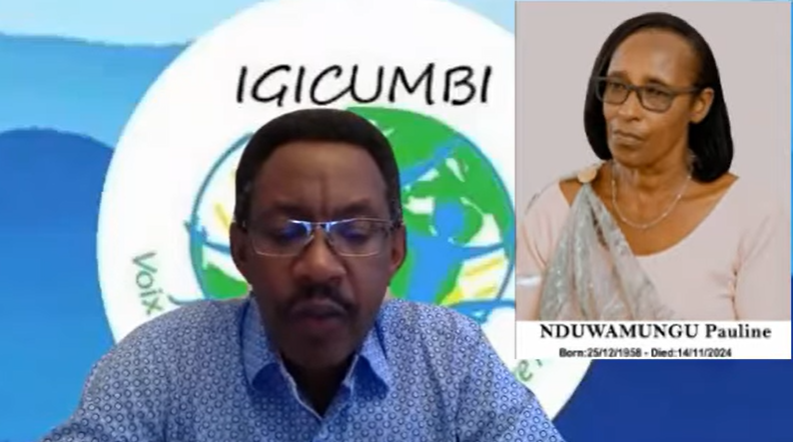
  • Déclaration de l’Association IGICUMBI – Voix des Rescapés du Génocide contre les Tutsis : PLACE À LA JUSTICE, NON À LA COLÈRE DE PAUL KAGAME !

    Publiée initialement en kinyarwanda, la langue du Rwanda, le 27 novembre 2024, cette déclaration est aujourd’hui proposée en français afin d’informer le public francophone. Nous souhaitons ainsi sensibiliser le monde entier à la situation particulièrement préoccupante que vivent les Rescapés du génocide contre les Tutsis.

    Pour tenir compte du décalage entre les deux versions, un addendum de mise à jour suivra le texte original.
    Vous pouvez télécharger l’intégralité du document ici.

    La version vidéo de cette mise au point est également disponible ci-dessous :

    Ends.

  • Ibuka Europe’s Statement: Advocacy or Political Convenience?

    Ibuka Europe’s Statement: Advocacy or Political Convenience?

    Ibuka Europe issued a statement on November 26, 2024, condemning the recent killings of genocide survivors in Rwanda, including Nduwamungu Pauline. Signed by representatives from its European chapters, the statement highlights the persistence of genocide ideology and calls for improved security, judicial accountability, legislative reforms, and educational initiatives to protect survivors.

    While timely, many survivors view the statement as too little, too late and, in some ways, lacking meaningful impact or value. Ibuka has often remained silent on killings attributed to the government, including high-profile cases like Kizito Mihigo and the Rwigara family, as well as lesser-known victims like Jean-Paul Mwiseneza, beheaded by the government agents in 2017 for his association with Diane Rwigara.

    Critics argue that Ibuka’s selective responses align with the government’s narrative, speaking out only after these killings are referenced by officials like President Kagame, who implied that Nduwamungu Pauline was killed by those who had a role in genocide even before investigations or trials had commenced.

    Ibuka’s calculus for responding appears driven by political convenience: it speaks out when aligned with government interests or when reactions coincidently serve both the government and survivors. When advocating for survivors risks displeasing the government, silence prevails.

    Meanwhile, the regime has exploited the killings of survivors as propaganda to target political opponents like Ingabire Victoire, branding them as genocide ideologues while positioning itself as the protector of survivors. This creates a divisive narrative, reinforcing state authority, while many killings of survivors—even those involving genocide perpetrators—are usually ignored to preserve the government’s carefully crafted image of reconciliation.

    This selective outrage raises critical questions about whose interests are truly being served. Survivors deserve consistent advocacy, free from political manipulation. I encourage you to read Ibuka Europe’s statement in full to form your own perspective.

  • Ngoma: Ukekwa kwica Nduwamungu warokotse Jenoside yatawe muri yombi

    Ngoma: Ukekwa kwica Nduwamungu warokotse Jenoside yatawe muri yombi

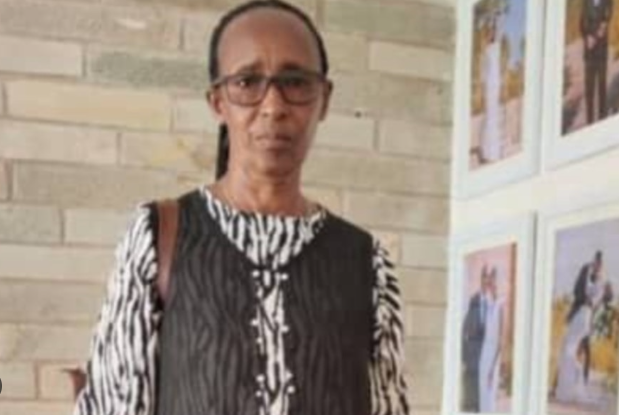
    Urwego rw’Igihugu rw’Ubugenzacyaha ku bufatanye na Polisi, bataye muri yombi ukekwaho kugira uruhare mu rupfu rwa Nduwamungu Pauline wari utuye i Rukumberi mu Karere ka Ngoma wishwe aciwe umutwe.

    Nduwamungu Pauline yishwe tariki ya 14 Ugushyingo, 2024 bamusanze iwe mu rugo.

    Mu ibazwa , uwitwa Nziza, mwene Ntihabose Theogene, yaje kwemera ko ari we wamwishe ndetse ajya no kwerekana aho yari yahishe umutwe wa Nduwamungu.

    Umuvugizi wa RIB, Dr Murangira B. Thierry,yabwiye itangazamakuru ko mu ibazwa ry’uyu ukekwa, yisobanuye  avuga ko impamvu yamwishe amuciye umutwe “  ko yagira ngo atazafatwa ngo kuko yabwiwe ko mu mboni z’uwishwe hasigaramo ifoto y’uwamwishe iyo yamwishe barebana.”

    Umuvugizi wa RIB avuga ko hagikorwa iperereza harebwa niba yarazize ko yacitse ku icumu rya Jenoside.

    Ati “Kugeza ubu ntabwo twakwemeza cyangwa ngo duhakane ko yaba yazize ko yacitse ku icumu rya Jenoside yakorewe Abatutsi, iperereza niryo rizabigaragaza.”

    Yongeyeho ati “Ikindi kandi iperereza rirakomeje kugira ngo hamenyekanye impamvu nyakuri yateye Nziza kwica Nduwamungu Pauline ndetse n’abashobora kuba baramufashije muri icyo gikorwa cya kinyamanswa, mbere y’uko dosiye ishyikirizwa Ubushinjacyaha kugira ngo hatangwe ubutabera.”

    RIB irihanganisha umuryango wa Nduwamungu Pauline, iwizeza ko abagize uruhare mu rupfu rwa Nduwamungu bazagezwa imbere y’ubutabera bagahanwa nk’uko amategeko abiteganya.

    Biteganyijwe ko umuhango wo kumushyingura uzaba kuri uyu wa kane tariki ya 21 Ugushyingo 2024.

    Inkuru ya Umuseke.rw

  • Uwarokotse Jenoside yishwe urupfu rw’agashinyaguro

    Uwarokotse Jenoside yishwe urupfu rw’agashinyaguro

    NGOMA: Abagizi ba nabi bishe urw’agashinyaguro umukecuru w’imyaka 66 y’amavuko warokotse Jenoside yakorewe Abatutsi, witwa Nduwamungu Pauline, wari utuye mu Mudugudu wa Akabungo, Akagari ka Rubago mu Murenge wa Rukumberi.

    Ni Amahano yabaye ku wa Kane tariki 14 Ugushyingo 2024 gusa urupfu rwa nyakwigendera rumenyekana ku wa 15 Ugushyingo 2024.

    Abishe nyakwigendera babikoze mu masaha y’amanywa, hanyuma bamujugunya mu kimoteri, barenzaho igitaka.Ubwo abaturanyi bashakishaga irengero rye, ni bwo babonye icyo kimoteri gisibye, batungurwa no gusangamo umubiri we.

    Umuyobozi wa IBUKA mu Karere ka Ngoma, Biseruka Omar, yabwiye bagenzi bacu ba Kigali Today ko abo bagizi ba nabi bamukuyeho umutwe, barawutwara.

    Yagize ati “Abamwishe babikoze hagati ya saa saba na saa munani z’amanywa bamujugunya mu kimoteri mu rugo rwe bamukuraho umutwe.”Avuga ko abo bicanyi bari babigambiriye kuko yari atuye ahantu ku muhanda munini wa kaburimbo kandi hagati y’abandi bantu ibipangu byahanaga imbibi.

    Ati “Nta muntu uzwi bari bafitanye amakimbirane, ababikoze rero ni ya ngengabitekerezo yo kugirira nabi uwarokotse Jenoside.”

    Ubuyobozi bw’Akarere n’inzego z’umutekano bagiye ahabereye ubu bwicanyi, bakorana inama n’abaturage ndetse banihanganisha umuryango wa Nduwamungu Pauline.

    Abaturage basabwe kubana mu mahoro no mu bwumvikane, bakirinda ibikorwa by’ubwicanyi, kuko kwica nta shema ribirimo, ahubwo ari icyaha kigayitse, kandi ko ugihamijwe n’inkiko ahabwa igihano kiremereye.

    Basabwe kandi gutangira amakuru ku gihe, kandi buri wese akaba ijisho rya mugenzi we n’abafitanye amakimbirane bakabimenyesha ubuyobozi bukabakiranura.

    Umurambo wa nyakwigendera wajyanywe ku bitaro bya Kibungo kugira ngo ukorerwe isuzuma mbere y’uko ushyingurwa.

    Mu gihe iperereza rikomeje, abantu babiri bakekwaho uruhare mu rupfu rwa Nduwamungu Pauline batawe muri yombi.

    Inkuru ya NDEKEZI Johnson wa Umuseke.com yanditswe kuwa 17, Ugushingo, 2024 .

  • Hidden for 30 Years: The 1991 Rwandan Military Report That Sheds New Light on Genocide Planning

    Hidden for 30 Years: The 1991 Rwandan Military Report That Sheds New Light on Genocide Planning

    For the first time in 30 years, the complete 1991 report of the Rwandan military commission has been made public by Justice Info. Previously, only an extract of this report was known, which the Prosecutor of the International Criminal Tribunal for Rwanda (ICTR) considered foundational evidence of a criminal conspiracy leading to the 1994 genocide against the Tutsi population.

    The report was commissioned by President Juvénal Habyarimana amid the civil war waged by the Rwandan Patriotic Front (RPF) since October 1990. Chaired by Colonel Théoneste Bagosora, the commission aimed to advise on defeating the enemy “at a military, media, and political level.” The most controversial part, titled “Definition and Identification of the Enemy,” was used by the ICTR prosecutor to argue that it laid the groundwork for the genocidal plan.

    Ends.

  • Will the UN ever recover Kabuga’s money?

    Will the UN ever recover Kabuga’s money?

    On 8 November, the International Criminal Tribunal for Rwanda will celebrate its 30th anniversary. Created three months after the end of the Tutsi genocide by a resolution of the United Nations Security Council, it is based in Arusha, Tanzania. The International Criminal Tribunal for Rwanda (ICTR) closed its doors on 31 December 2015, having indicted 93 individuals, including 61 convicted and 14 acquitted. The others are fugitives or have been declared unfit to stand trial. The latter included former businessman Félicien Kabuga, who found himself successively, in these two situations.

    Then the ICTR’s so-called “residual” functions were relegated to a UN Mechanism, initially intended as a small “temporary entity”, but ultimately housed in expensive and imposing premises built especially for it. As the cases of five accused were sent back to Rwanda, it was primarily responsible for tracking down three “big fish”, including Kabuga – who was found in France in 2020.

    Kabuga, the only Rwandan defendant to owe a debt to the UN

    The Kabuga trial was marked by “firsts”. After one of the longest escapes from international justice, Kabuga has been the only Rwandan defendant to have his trial judged by the UN Mechanism’s branch based in the Hague, in the Netherlands. He is also the only one to have had only one and a half hours of hearings per day and three days of hearings per week, the only one to have attended his trial by videoconference, and the only one to have had five expert witnesses called to assess his state of health. He has been the first to be released on grounds of incapacity. And finally, Kabuga has become the first defendant of the international justice system on Rwanda to be declared not indigent, and therefore called upon to reimburse the costs incurred by the United Nations for his defence.

    The decision was handed down on 6 October 2023, but a year later, it has still not been implemented. Kabuga’s assets are still frozen. And the proceedings remain bogged down.

    Initially, on 12 November 2020, the accused requested legal assistance from the Mechanism, on the grounds that he could not afford to pay for counsel, and he asked the registry to appoint the French lawyer Emmanuel Altit as his permanent counsel. The accused had then submitted a declaration of resources form to support his claim of indigence.

    Kabuga’s son did not declare indigence

    While paying for legal aid, the registry opened an investigation into the means of the accused – who was reputed to have been the richest man in Rwanda. But while the registry was bogged down without any tangible results, it was Kabuga’s eldest son, Donatien Nshimyumuremyi, who came to his aid. After a quarrel with Emmanuel Altit, whom the judges refused to remove from the case, Donatien Kabuga published a press release on 28 September 2022 that included a solemn declaration of the accused that he had sufficient assets to pay for the lawyer of his choice.

    The court registry jumped at the opportunity. On 4 October 2022, it sent a request to Nshimyumuremyi for information on the assets that would be taken into account to certify the accused’s ability to pay for a lawyer himself. On 18 October 2022, the accused’s son provided the information. It took almost a full year of analysis and procedural calculations before the registry declared, on 6 October 2023, that “the accused is deemed non-indigent and capable of fully funding his entire defence before the Mechanism (i.e., including pre-trial, trial proceedings to date, and any further proceedings)”.

    Assets in France, Belgium, Rwanda and Kenya

    The registry states that “assets which have been identified by the Registry and which are deemed attributable to the accused are respectively located in the French Republic, the Kingdom of Belgium, the Republic of Rwanda, and the Republic of Kenya  (collectively, the “Assets”). The Assets are broadly composed of bank accounts, real estate property and personal property. The bank accounts attributable to the Accused have precise balance sheets, which the Registry has independently verified”. Furthermore, “the total legal aid cost incurred by the Mechanism for funding the Accused’s defence amounts to approximately $1,184,500, which includes the entire pre-trial stage and trial proceedings thus far”. The updated amount has not been communicated to us.

    The decision also added that Altit remained appointed as counsel for the accused under the Mechanism’s legal aid system until further notice and that, as such, the registry was required to continue administering legal aid.

    The rules of the Mechanism provide that “where a person is assigned Counsel and is subsequently found not to be lacking the means to remunerate Counsel, the Chamber may, on application by the Registrar, make an order for contribution to recover the cost of providing Counsel”. To date, however, the chamber has not issued any order. Since the decision, observations have been requested from the registry to help determine the feasibility of recovering Kabuga’s legal expenses from the assets attributed to him. The exchanges remain confidential.

    In its decision, the registry explains that “a substantial part of the assets is frozen, in accordance with the requests and/or orders of the International Criminal Tribunal for Rwanda (ICTR) and/or the Mechanism”. But according to the registry, to unfreeze these assets, legal decisions are needed from the national courts of the countries in which these assets are located – and as these decisions are slow in coming, they would prevent their recovery.

    The option of a release in Rwanda

    Added to this quagmire is the absence of a host country for the nonagenarian, whose release was ordered by the Appeals Chamber on 7 August 2023. Since then, Kabuga’s defence has been left to its own devices to find a country where their client could be released. At the last status conference, in July, it emerged that the defence had contacted two countries, both of which had refused to welcome him into their territory.

    The efforts made do not seem likely to materialise in the near future, and the Irish judge presiding over the chamber, Ian Bonomy, has indicated that he is not ruling out the possibility of transferring him to Rwanda. In an order, the trial chamber invited “the panel of independent medical experts, in consultation with the medical team of the UNDU as appropriate, to indicate in its next monitoring report whether they are in a position to assess Mr. Kabuga’s fitness to travel to and be released in Rwanda”.

    The judge explained that this order does not in any way express a preference of the chamber. But that it considered that there would be “no point in going down that road if in the end of the day it’s clear that Mr. Kabuga’s unfit to make the journey. So it’s that sort of information that the Chamber seeks to have clarified before raising the question of a possible relocation of Mr. Kabuga in Rwanda”.

    After a long escape and due to the slowness of the Mechanism, the senile old man will be neither convicted nor acquitted, and today no one can predict whether he will be released or not.

    Source:

    Justiceinfo.net by Barthazar Nduwayezu, November 7, 2024.