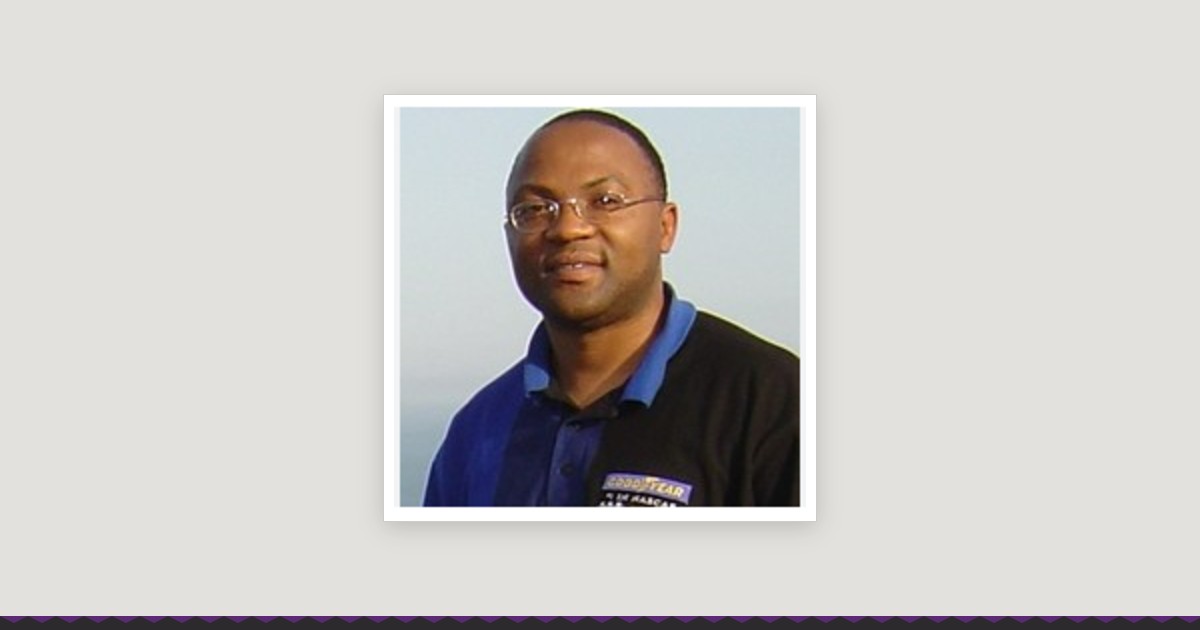

When I wrote about his arrest in March 2024, what disturbed me most was how close to home he had been living. A former medical student in my hometown of Butare had built a quiet life here in the Midwest, raising four children in Uniontown, Ohio, and working as an engineer at Goodyear, while hiding, prosecutors said, his part in the genocide against the Tutsi.
Now he has been convicted. Yesterday, October 27, a federal jury in Boston found Eric Tabaro Nshimiye, also known as Eric Tabaro Nshimiyimana, guilty of perjury and obstruction of justice. His trial opened on October 13. He is 54, and sentencing is set for January 26, 2027.
The story he told to get here
What still strikes me is the story he told to get here. In 1995, applying from Kenya to come to America as a refugee, he claimed the Interahamwe had threatened his family and murdered his father. Prosecutors say that was false. According to federal charging documents, Nshimiye was Interahamwe himself, a university student in the militia whom both perpetrators and survivors remembered as one of the most vicious. He presented himself as a victim of the very killers he ran with. At the US Embassy in Nairobi, he swore he had never persecuted anyone. He became a US citizen in 2003.
In the end, his testimony for an old friend became central to his own prosecution. In 2019, Nshimiye took the stand in Boston to defend Jean Leonard Teganya, his former medical school classmate. He denied that either of them had taken part in the genocide and denied belonging to the militia himself. Teganya was convicted, and Nshimiye’s sworn statements became the basis for the perjury and obstruction charges against him. In November 2026, Teganya was deported to Rwanda, where he will face genocide charges.
Investigators gathered accounts in Rwanda from survivors and former perpetrators. Witnesses identified killing sites and drew pictures of his weapons. Prosecutors said he attacked Tutsis himself and handed others over to be raped or killed. His lawyers called the accusations fabricated and said he was not in Butare when the killings began. The jury was not persuaded.
Closer to home than we think
Living in Michigan, I cannot read these cases as distant news. Ohio has seen others. Vincent Nzigiyimfura was arrested in Dayton in June 2025, accused of hiding his alleged role in the genocide on his immigration papers. Oswald Rurangwa, traced to Ohio in 2008, was deported to Rwanda in 2021.
As I have written before, most genocide fugitives are still free. In figures reported in June 2026, Rwanda’s Ministry of Justice counted 1,199 international arrest requests, but only 63 suspects sent to Rwanda for trial or prosecuted abroad. Rwanda’s prosecution authority has sent about two dozen of those requests to the United States. Those numbers represent years of unfinished justice for victims’ families.
How many more are still hiding among us in plain sight, going to work, passing us in the park, growing old? No one knows for sure, but many are closer to us than we think.
What this verdict means
A perjury verdict cannot bring back the people we lost in Butare. Still, I welcome this conviction. To be clear, he was not convicted of genocide. In cases like his, the United States usually charges the lies rather than the genocide itself: immigration fraud, perjury, obstruction, and then deportation. Legal limits, cost and the complexity of trying a genocide here push prosecutors toward the charges they can prove. I will come back to that in another post.
Survivors should never have had to wait this long for someone to answer for the lies that helped hide these crimes.
For the full story of the verdict and the trial, read Nate Raymond’s report for Reuters.


Leave a Reply