Category: Reflections

  • The Girl Who Smiled Beads, A Story of War and What Comes After By Clemantine Wamariya-Book Review

    The Girl Who Smiled Beads, A Story of War and What Comes After By Clemantine Wamariya-Book Review

    The Girl Who Smiled Beads, A Story of War and What Comes After By Clemantine Wamariya and Elizabeth Weil 276 pp. Crown Publishers, 2018

    I have been wanting to read Clementine Wamariya’s memoir “The Girl Who Smiled Beads” since it was published in 2018. After finally finishing it, I want to share my thoughts about this profound memoir. The 276-page book proves both inspiring and controversial.

    The title itself comes from an old Rwandan folktale called “Umukobwa Useka Amasaro Agaseseka” that Wamariya’s beloved childhood nanny, Mukamana, frequently told her back when she was just a little girl happily playing in her courtyard in Kigali, unaware of the turmoil to come.

    Wamariya’s story begins with her happy childhood in Rwanda, abruptly disrupted at six when she and her sister, Claire, escaped the 1994 genocide. Their journey through the harsh realities of refugee life took them across African nations – Burundi, Congo, Zambia, Malawi, Tanzania, Mozambique, and South Africa.

    Each location presented its own set of challenges and occasional glimpses of human kindness, such as the generosity of a Congolese, Mama Ndebele, who tenderly braided her hair, as well as a wise elder in a Burundian refugee camp who distracts children from the “cholera-rotten latrine” by recounting tales.

    The memoir doesn’t just chronicle Wamariya’s journey through these landscapes and her psychological and emotional voyage. The narrative weaves through her resettlement in the United States under a program for genocide survivors in 2000, her adjustment to life in a Chicago middle school, and her eventual rise to Yale University. Her story caught the attention of influential figures, including Oprah and President Obama, which makes her a model of resilience and hope, especially for young girls navigating the aftermath of trauma.

    Clementine on the Oprah Winfrey Show

    Wamariya is a masterful storyteller. It makes the book nearly impossible to put down.  Her ability to convey the complexity of human emotions amidst the backdrop of war and displacement is remarkable.

    However, the memoir does prove controversial in its intentional omission of key context. Throughout her childhood journey across Africa to her ultimate US resettlement and celebrity spotlight, Wamariya hides whether she and her family belonged to the ethnic Tutsis targeted in Rwanda’s genocide or were instead moderate Hutus. This omission is significant given the memoir’s implications that she is a genocide survivor, a claim never directly stated but implied through public appearances and the book’s framing.

    Furthermore, the early chapters portray the genocide as generalized chaos, lacking clarity on perpetrators and victims. However, the genocide against the Tutsis was a meticulously organized extermination campaign, with Tutsis of all ages and genders as the primary targets based solely on their ethnicity. Extremist Hutus had predrawn target lists, set up checkpoints to identify Tutsis through ID cards or physical traits, and used radios to incite violence against all Tutsis. This calculated, systematic genocide contrasts with the chaotic fog of war that the memoir misleadingly evokes. The same vagueness extends to Wamariya’s family’s experience during the genocide. Despite all surviving, the book omits any discussion of their experiences or backgrounds, which could have provided valuable context.

    Wamariya’s account of traveling from Kigali to her Grandma in Butare during the genocide without incident contrasts sharply with the experiences of those targeted. This suggests her family may not have been direct targets of genocide. Furthermore, she admits to learning about the Tutsi genocide not from family or personal experience but from Philip Gourevitch’s book.

    Clemantine Wamariya, Photo/Steve Jennings/Getty Images for Free The Children

    Critics, myself included, might argue that these omissions seem deceptive. Failing to directly identify the genocide’s systematic, targeted nature while vaguely framing it as chaotic war obfuscates readers’ comprehension of events. For Rwandan readers especially, such absence of details raises skepticism regarding the memoir’s authenticity in depicting the ruthless, meticulously orchestrated extermination of Tutsis that occurred in 1994. It appears that some genocide survivors also formally expressed concerns about Wamaraya’s narrative around genocide shortly after the publication of this memoir.

    Despite these criticisms, the memoir shines a light on the human aspect of the refugee experience, often overshadowed by political narratives. Wamariya’s descriptions of life in refugee camps, her childhood memories in Kigali, and her adaptation to a new life in an affluent Chicago neighborhood are vivid and engaging. Characters like Claire and Mukamana, the nanny who shared Rwandan tales with Wamariya, add depth and warmth to the narrative, making it a compelling read.

    Wamariya’s reflections on the term ‘genocide’ and its limitations in conveying the depth of her experiences add a layer of complexity to her story. The book navigates this delicate topic with a sense of strategic ambiguity, perhaps to make the narrative more accessible to a Western audience unfamiliar with the nuances of the Rwandan genocide.

    In the end, while some clarity is lacking, “The Girl Who Smiled Beads” beautifully recounts a remarkable young girl shaped by adversity. It humanizes refugees, inspires resilience, and compels self-reflection—a journey across continents and the power of storytelling against trauma’s specter. End

  • The Dark Side of Rwanda’s Kigali Convention Center and BK Arena

    The Dark Side of Rwanda’s Kigali Convention Center and BK Arena

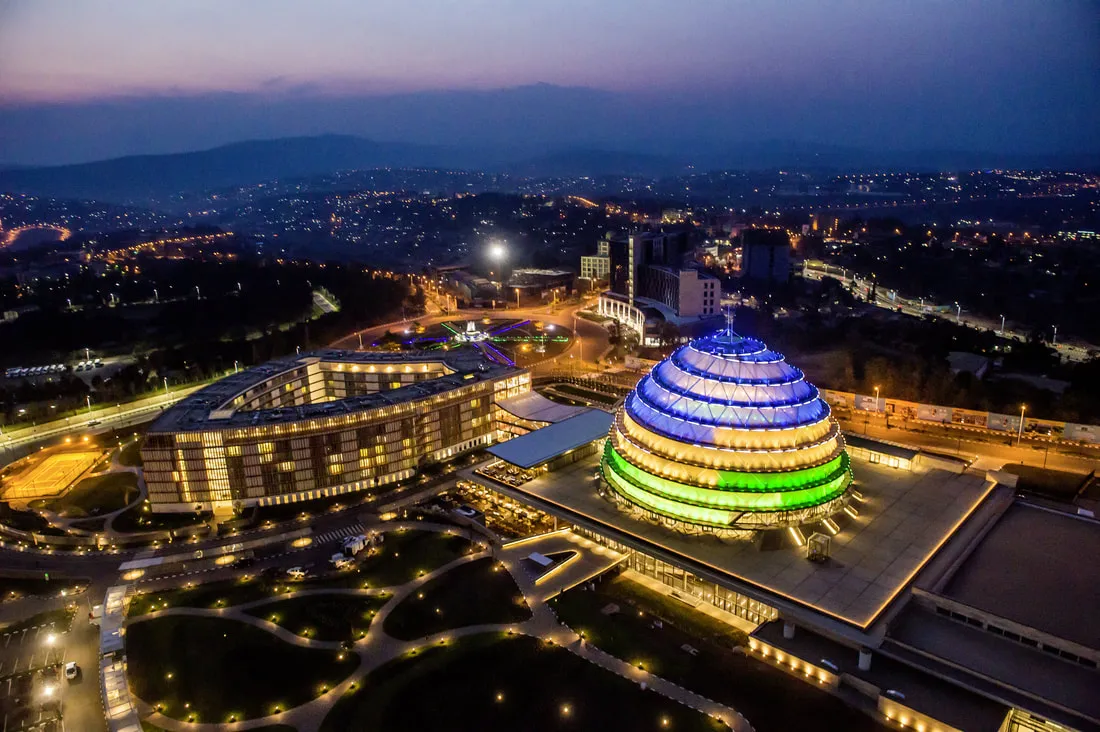
    You may not know it, but Rwanda’s iconic Kigali Convention Center and gleaming BK Arena stadium carry a disturbing secret – they were constructed upon a bargain of Armenian genocide denial for money.

    Last week, the French newspaper, Le Point, revealed that Rwanda secretly agreed to eliminate all mentions of the Armenian genocide from the Kigali Genocide Memorial, the nation’s principal genocide museum, as a condition for receiving $300 million in investment from Turkey. Specifically, Turkey required the removal of a dedicated room commemorating the 1.5 million Armenians murdered by the Ottoman Empire, a predecessor to modern-day Turkey, in 1915. This exhibition space within the memorial was subsequently demolished and its contents removed from public display.

    The deal was officially struck on April 24, 2015 – just one day after the annual Armenian Genocide Remembrance Day – symbolically exchanging genocide recognition for money on the anniversary of these atrocities. Besides Turkish money, Kigali Convention Center was financed through other international funds including Eurobonds and local Rwandan funds.

    This is sadly not the first time Rwanda has faced pressure to deny the Armenian genocide for economic reasons. In 2013, a major conference on the Armenian genocide in Kigali was downscaled following economic threats from Turkey. Originally scheduled for the grand ballroom of the Serena Hotel, it was relocated to a small room at the Kigali Genocide Museum. As a participant, I witnessed the enforced denial firsthand. An Armenian scholar at the conference confided that the hostility stems from Turkey’s global campaign to suppress recognition of the Ottoman Empire’s genocidal crimes, even in countries like Rwanda still healing from their own genocide trauma.

    For Rwanda, a nation that has built its government’s legitimacy on the commemoration of the 1994 genocide against the Tutsis, agreeing to obscure another genocide is alarmingly contradictory. The regime, which prides itself on values of dignity (agaciro) and truth-telling, ironically compromises these principles. The removal of the Armenian genocide references from public consciousness and education in Rwanda sets a dangerous precedent.

    As a survivor, I am concerned about the extent of concessions the government might make concerning our own history for political or economic expediency. Initially, the Rwandan government hesitated to correctly name the 1994 genocide against the Tutsis, using vague terms like ”massacres” or ‘Itsembatesemba n’itsembabwoko” in Kinyarwanda. Only after persistent survivor’s advocacy and pressures from the government’s dissidents was the accurate term adopted. This tendency to manipulate historical narrative for political gain endures, as demonstrated by prioritizing economic and political alliances over the truthful representation of over a million lives lost in 1994.

    Rwanda’s ruling party, the RPF, seems more focused on retaining power than honoring victim dignity, readily manipulating memory narratives to quell dissent and justify rights abuses when convenient. A prime example is the 120 million Euro deal and military contracts with French President Macron, which effectively purchased Rwanda downplaying France’s genocide role. Since Macron’s 2021 visit, any survivor critique or asking for a formal apology from France faces backlash. This climate illustrates the troubling prioritization of economic and political interests over the acknowledgment of historical truths.

    The Kigali Convention Center and BK Arena, rather than symbolizing progress, now represent the heavy cost of historical denial. The compromise with Turkey starkly illustrates how economic interests can overshadow the fundamental values of memory and truth. This episode in Rwanda’s history underscores the critical need for a worldwide commitment to protecting historical memory, ensuring that the legacy of tragedies, such as the Armenian genocide, is never compromised or negotiated away for financial gain.

    Source: Click here to read the original article on the Turkish deal in Le Point.

    By Albert Gasake 2/2/2024

  • The Inspirational Life and Suspicious Death of Rwandan Freedom Fighter Anne Rwigara

    The Inspirational Life and Suspicious Death of Rwandan Freedom Fighter Anne Rwigara

    Anne Uwamahoro Rwigara, before the Rwandan court in 2017/Photo/Igihe

    My first blog post of 2024 sadly begins on a somber note. I had hoped to start with something more uplifting, but the tragic and puzzling death of Anne Rwigara weighs heavily on my mind.

    Anne, a fellow survivor, and member of Igicumbi, one of the few independent survivor organizations, passed away under suspicious circumstances on December 28, 2023. Her brief yet courageous life embodied resilience, and her profound humanity remained undimmed by those who sought to extinguish her light.

    Anne persevered through unimaginable persecution in her 41 years, more than most could endure in a lifetime. Her father, Assinapol Rwigara, a prosperous Tutsi businessman, supported Rwanda’s RPF/RPA rebels since the 1990s. Like many Rwandans, he believed they would establish a government upholding equal rights and the rule of law. Tragically, the rebels he backed merely replaced one ruthless dictatorship with another more brutal one.

    The current regime harassed and intimidated Assinapol, killing him in 2015 in what appeared to be a staged accident. They wrongly imprisoned his wife and two daughters, Anne and Diane, on baseless charges. They demolished his hotel and seized his tobacco factory, lands, and shares in most Rwandan firms. In a final act of cruelty, many suspect they poisoned Anne too.

    Throughout these trials, Anne’s spirit remained unbroken. When I met her last August, I expected to find an angry, embittered young woman. Instead, I was greeted by someone who radiated life, and laughter with no ill will toward her oppressors. At multiple Igicumbi gatherings, I never heard her speak negatively about those who caused her family such suffering.

    The cause of Anne’s death remains officially unknown, with her family describing it to the BBC as “mysterious.” However, her friends have little doubt about who might be responsible. After her father’s murder in 2015, the Rwigaras live in constant danger of assassination, forcing Anne to take some security precautions wherever she goes.

    Furthermore, as a direct witness to her father’s unresolved murder, Anne posed a threat beyond seeking financial damages or criticizing the regime. She bravely made public the disturbing details she observed firsthand. Anne testified that upon arriving at the scene of her father’s so-called “accident,” she witnessed him being denied medical assistance and prematurely zipped into a body bag alive. Later, she uncovered further evidence of foul play in his father’s death. With such a damning eyewitness account, Anne simply knew too much. She was a dangerous adversary to those wishing to hide the truth.

    In addition to the truth she carried, Anne posed another threat – legal rights to contest the regime’s seizure of her family’s assets. As the appointed guardian of the Rwigara family’s holdings, she represented a financial danger to those who had illicitly appropriated their businesses and stakes in major companies. This included COGEBank, one of Rwanda’s largest banks and a firm where her family held majority shares. The bank was controversially sold in June 2023 to the Equity Holdings Group, a foreign investor, in a deal with the regime for nearly 50 million dollars, further exemplifying the regime’s financial encroachments that Anne was poised to contest.

    Some believe the regime also worried Anne would, like Paul Rusesabagina’s daughters wage a successful justice campaign in the US, intensifying international scrutiny of Rwanda’s human rights abuses.

    Could such fears have motivated the Rwandan regime to target her? It seems plausible given Rwanda’s deteriorating international image amid alleged human rights abuses both in Rwanda and through its proxy groups in DR Congo. The last thing the regime wanted was another determined daughter in the United States, fighting for her family’s justice.

    Anne Rwigara’s death, therefore, is not just a family tragedy but a chilling reminder of how far oppressive regimes can go to silence their critics and maintain power.

    Anne’s story embodied courage and resilience, and her profound humanity never dimmed. She faced evil without faltering, and her smile and kindness were unmistakable to all who knew her. Her light continues to shine as an inspiration. May her soul rest in eternal peace.

    By Albert Gasake 1/13/2024

  • Genocide in Rwanda: Clearing Up Common Misconceptions

    Genocide in Rwanda: Clearing Up Common Misconceptions

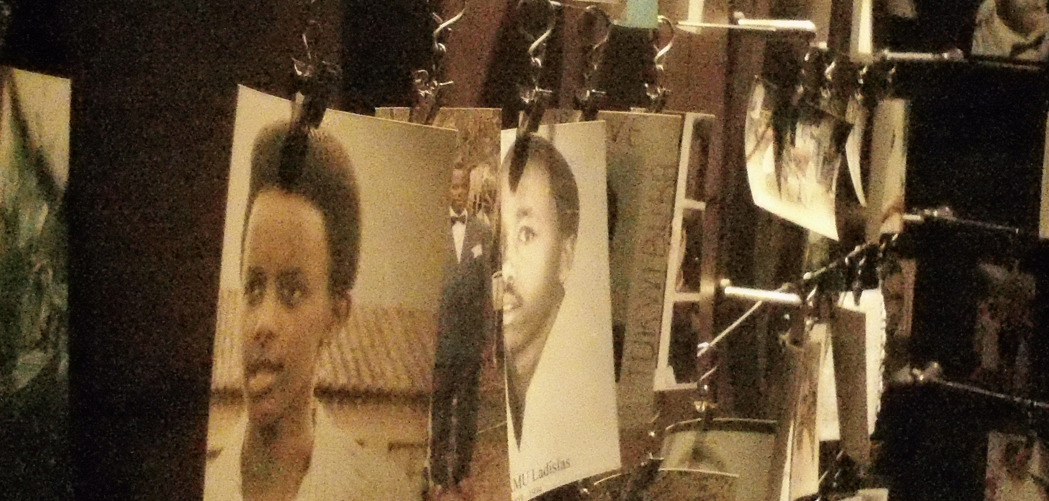
    Pictures of some genocide victims/Photo/Shoah Foundations

    For those who have experienced or studied the 1994 Genocide against the Tutsis in Rwanda, its facts might seem like common knowledge. The extremist Hutu killers made no secret of their target: Tutsis. Their extermination chants and zeal killing Tutsis for 3+ months stick in memories, as does hate-filled Kantano Habimana on RTLM radio directing them. Tutsis were explicitly targeted via media and speeches, labeled “cockroaches” and foreigners deserving elimination down the Nyabarongo River toward Abyssinia “where they came from.”

    However, a recent experience in a Twitter Space (a feature for live audio group discussions) revealed to me that what seems commonly understood about the genocide is, in fact, not so universally acknowledged. As with the Holocaust, despite extensive scholarship and survivor testimonies, the genocide against the Tutsis continues to face denial and lack of understanding. During this discussion, I was abruptly removed for merely mentioning the term “genocide against the Tutsis” – a phrase that the participants vehemently contested.

    Their main argument was against the specific phrase “genocide against the Tutsi,” noting that Hutus were also victims during the same period. While it’s true that some moderate Hutus – including those who opposed the Habyarimana regime, those intermarried with Tutsis, and even Hutus mistaken for Tutsis due to facial stereotypes – were killed, this doesn’t alter the characterization of the event as a genocide against the Tutsi.

    The term “genocide against the Tutsi” doesn’t negate the fact that others, including foreigners, were killed; it simply clarifies the primary intent of the perpetrators: to exterminate the Tutsi as an ethnic group.

    This distinction is crucial. The Tutsis were targeted for extermination based on their ethnic identity, which aligns with the 1948 UN Genocide Convention’s definition. The Convention defines genocide as acts committed with intent to destroy, in whole or in part, a national, ethnic, racial, or religious group. This specificity is what differentiates genocide from other crimes.

    The moderate Hutus and others were targeted for their actions (such as marrying or protecting Tutsis or opposing the Hutu Power faction) and their political views. Examples include Boniface Ngurinzira, the Foreign Affairs Minister from the moderate MDR party, and Agathe Uwiringiyimana, the Prime Minister, both of whom were murdered not for being Hutus, but for their political opposition to the Habyarimana regime and the subsequent genocidal government.

    These killings, while heinous, fall under different categories of international law, such as crimes against humanity or war crimes, but not under genocide as defined by the 1948 Convention on the Punishment and Prevention of the Crime of Genocide. This exclusion of political opinion from the genocide definition was a point of contention among scholars and human rights activists during the drafting of the Convention. Yet, it was not included in the final version.

    Some extremists call the appellation genocide against the Tutsi RPF propaganda but it is not. Survivors have fought to have a clear definition of the extermination of Tutsis since 1994 when the new RPF government employed vague phrases like ‘’itsembatsemba n’itsembabwoko –loosely translated as massacres and genocide. It took more than 10 years of advocacy for the RPF Government to start using the term genocide against the Tutsi as survivors have initially demanded.

    While the term ‘’genocide against the Tutsi’’ is a good starting point, I hope better terms attempting to show the extent of this tragedy that annihilated 9 out 10 Tutsis in Rwanda, can be coined. My preference is something like Irimburabatutsi (Annihilation of Tutsi).

    In Rwanda, possessing an ID card labeled “Tutsi” was effectively a death sentence, whereas “Hutu” indicated a chance for survival. Moderate Hutus could sometimes find safety in unfamiliar areas, but for Tutsis, there was no safe haven in Rwanda during the genocide.

    This stark reality highlights the specific targeting of the Tutsi and underscores why the term “genocide against the Tutsi” is not only accurate but essential for historical and legal clarity. Surprisingly, this understanding is not as widespread as one might expect, underscoring the need for continued education and awareness about the true nature of the Rwandan Genocide.

    Written by Albert Gasake, December 18, 2023.

  • Rwanda’s Silent Struggle: Survivors Fighting for Rights Post-Genocide

    Rwanda’s Silent Struggle: Survivors Fighting for Rights Post-Genocide

    Today, on the 75th anniversary of the Universal Declaration of Human Rights, I find myself in a contemplative mood, reflecting on the journey of my fellow survivors of the 1994 genocide against the Tutsi in Rwanda. Being a survivor means that our most fundamental right – the right to life – was gravely threatened. We have come a long way since those harrowing days, but the journey to enjoy our full rights remains fraught with challenges.

    While the threat of extermination no longer looms over us, new threats to our rights have emerged and evolved. Reports from human rights organizations and watchdogs, such as the US Department of State, consistently point to Rwanda as a repressive regime in terms of human rights. The government’s stringent control extends to all its citizens, and survivors of the genocide are no exception.

    The freedom of speech, a right many hold dear, is heavily regulated in Rwanda. The act of writing a blog post like this is an exercise in courage due to the strict control and the prevailing culture of self-censorship. Our voices, so crucial in the narrative of our nation’s history and future, are often stifled.

    In terms of freedom of association, genocide survivors seem to have some leeway through organizations such as IBUKA, AERG, and GAERG. However, the true extent of freedom within these associations is questionable. The presence of government monitoring and interference, especially for survivors who dare to affiliate with political parties other than the ruling RPF, can feel like a tightrope walk over perilous waters.

    The civil and political rights of those who speak out, criticize through various mediums such as poetry, music, or social media, or associate with dissidents are severely restricted. High-profile cases, like the murder of Kizito Mihigo in police detention in 2020 and the long imprisonment of Deo Mushayidi, a genocide survivor and political prisoner, are stark reminders of the risks involved. Others, such as Aimable Karasira and Idamange Iryamugwiza Yvonne, face imprisonment on charges as absurd as denying the genocide they survived.

    The repression extends beyond Rwanda’s borders, as highlighted in recent reports by Human Rights Watch. The message seems to be clear: join the prevailing narrative or face dire consequences.

    One of the most pressing issues for survivors is the right to timely and adequate justice, particularly reparative justice. Many Gacaca verdicts for material compensation remain unenforced due to the inability of some perpetrators to compensate and the lack of a governmental framework to address this gap. The long-standing campaign for reparations, including calls for the establishment of a reparation fund by the Rwandan government and international actors, has been largely ignored.

    The closure of Rwanda’s survivor assistance fund, FARG, in 2021, without a replacement comprehensive reparations program, is a significant setback. FARG, established in 1998, provided essential support in healthcare, education, housing, and income generation but was framed more as charity than an owned obligation of reparative justice.

    When I began blogging in 2013, momentum was building in the survivors’ justice movement. But seeing many reparations demands go unfulfilled these last ten years has been sobering. Still, we have come a long way since the genocide, overcoming immense challenges.

    I remain hopeful that in time, all Rwandans, including us survivors, will enjoy the full human rights enshrined in the Universal Declaration. The journey continues.

    By Albert Gasake, December 10, 2023.

  • Uwarokotse Jenoside Arasezera Bwa Nyuma Faustin Twagiramungu

    Uwarokotse Jenoside Arasezera Bwa Nyuma Faustin Twagiramungu

    Guest post by Louis Rugambage: 𝗥𝘂𝗵𝘂𝗸𝗶𝗿𝗮 𝗺𝘂 𝗺𝗮𝗵𝗼𝗿𝗼 𝘆’𝗨𝗵𝗼𝗿𝗮𝗵𝗼 𝗙𝗔𝗨𝗦𝗧𝗜𝗡 𝗧𝗪𝗔𝗚𝗜𝗥𝗔𝗠𝗨𝗡𝗚𝗨 𝗮.𝗸.𝗮. 𝗥𝗨𝗞𝗢𝗞𝗢𝗠𝗔.

    Photo: Faustin Twagiramungu, the 6th Prime Minister of Rwanda, passed away today, December 2, 2023.

    Nakumenye imiryango yacu iri mu mazi abira. Ababyeyi bacu barirukanwe ku mirimo, barafungwa, bicwa urubozo, bamwe bagwa mu munyururu, duhabwa akato, duhutazwa n’ubutegetsi bubi mu ngo zacu no mu mihanda.

    Twagiramungu, wabaye uwa mbere waranguruye ijwi ubwira Ikinani n’akazu ke uti “rwana n’abo urwana nabo, abo ufunze kandi utoteza si ibyitso, abo wikoma si inzoka si n’abagome, ni inzirakarengane z’Abanyarwanda uhora uko bavutse”.

    Wongeyeho uti “Kinani ca akenge kuko abo uhonyora urabajugunya mu minwe y’abagutera utabizi”, usubizaho uti “kandi gira bwangu ujye mu mishyikirana nabo ugihagaze kuko nutinda uzajya kubinginga upfukamye”. Byose bwarakeneye biraba.Ibyo igice kimwe cy’Abahutu cyarabikwangiye uhindurwa umwe muri twe, umugambanyi, inyangarwanda n’icyitso, inyenzi.

    Abo bahutu ntibumvaga ukuntu umukwe wa Kayibanda ka PARMEHUTU, uyu twakuze tubwirwa ko Kinani yatwamuruyeho araye ari butumare yahagarara ku Batutsi.

    Nyuma bakumariye umuryango, bawuziza ukuri n’ubutwari bwawe. N’ubu utashye witwa umwanzi w’igihugu, ubyitwa na bamwe wamaraniye ngo batahe nk’abana b’u Rwanda.

    Ni wowe ubwawe waciye ko Inkotanyi zitwa Inyenzi n’andi mazina mbere yo kujya mu mishyikirano, bahinduka Abanyarwanda bafite uburenganzira bwo gutaha iwabo.

    Mu masaziro yawe wishwe n’agahinda k’ibibi wakorewe n’Abanyarwanda watangiye byose ngo bisanzure, bituma wajyaga uteshuka ku ijambo ariko sinarota ngucira urubanza.

    Bakwange cyangwa bagukunde, ugiye utagambaniye urwakwibarutse, utashye kigabo kandi wemye. 𝗨𝗵𝗼𝗿𝗮𝗵𝗼 𝗮𝗸𝘄𝗮𝗸𝗶𝗿𝗲 𝗸𝗮𝗻𝗱𝗶 𝗮𝗸𝘂𝗱𝘂𝗵𝗲𝗺𝗯𝗲𝗿𝗲.

    Yanditswe na Louis Rugambage, Taliki 2, Ukuboza, 2023.

  • When History Repeats Itself: Rwanda, Congo, and the Scars of Genocide

    When History Repeats Itself: Rwanda, Congo, and the Scars of Genocide

    Elderly Congolese refugees gather at Nkamira Transit Site. Photo: UNHCR/Lilly Carlisle

    Nearly thirty years after the 1994 Rwandan Genocide against the Tutsis, its legacy continues to impact the conflict in the Democratic Republic of Congo. The Rwandan government invokes the narrative of preventing further genocide as justification for its interference in Congo, claiming to protect persecuted Congolese Tutsi. However, Rwanda’s involvement has also fueled resentment and backlash against Congolese Tutsi, evoking the complex situation of the Tutsi Population inside Rwanda in the years leading to the genocide.

    The origins of Congo’s enduring troubles can be traced to the massive exodus of over 2 million Hutu refugees into Congo shortly after the 1994 genocide. This influx of genocidal killers, non-disarmed former Rwandan Armed Forces (FAR), and innocent civilians catalyzed unrest. These Hutu refugees reorganized into rebel groups like the Democratic Forces for the Liberation of Rwanda (FDLR). Their attacks triggered initial legitimate Rwandan cross-border operations.

    It is unclear whether the FDLR, now with an estimated 2,000 fighters, still poses a significant enough threat to Rwanda. However, over time Rwanda’s engagements evolved into economic and exerting regional influence, alleging the need to protect Congolese Tutsi from “genocide” – though its treatment of survivors in Rwanda and Congolese Tutsi refugees reveals contradictions behind this narrative.

    Silencing Genocide Survivors

    In Rwanda, the current regime silences and marginalizes any survivor who dares question the official state narrative demanding unquestioning loyalty. This narrative portrays RPF rebel forces led by current President Paul Kagame as heroic saviors who single-handedly “stopped the genocide” in 1994, ignoring the reality that there was not a single inch of Rwanda’s territory that genocide did not reach, while the RPF arrived too late to save over one million Tutsi already lost. It implies that all Tutsi survivors “owe their lives” to eternal RPF gratitude and servitude for this supposed salvation.

    Any survivors perceived to express dissent or join a different political party of their choice face continued intimidation, imprisonment, mysterious deaths, or violent silencing even decades later. For outspoken survivors like myself now abroad, many of us face organized online harassment and threats to family back home in reprisal for challenging Rwanda’s shining global PR myth.

    Manipulating Congolese Tutsi for Rwandan Interests

    The Rwandan regime cynically manipulates Congolese Tutsis to serve its interests while ignoring their plight. Most of their family members are now scattered across five refugee camps in Rwanda, forced to survive on Rwf 5,700 ($5) per person per month. Over 70,000 Congolese Tutsis have languished in these dire conditions for nearly three decades in five refugee camps across Rwanda. While discrimination against Congolese Tutsis is certainly real, Rwanda’s intentions are questionable.

    Dissenting Congolese Tutsi refugees who resist Rwandan forced conscription into its proxy forces or show disloyalty face ruthless suppression both in Rwanda and Congo.

    In 2017, Rwanda reportedly provided support for brutal attacks by the rebel group Red Tabara against the Banyamulenge Tutsi tribe in south Kivu, causing death and burning their villages for alleged collaboration with Rwandan opposition groups, RNC/P-5.

    In 2018, Rwandan police opened fire on Congolese Tutsi refugees protesting aid cuts at a UN refugee in Kibuye, killing 12 refugees, according to UNHCR. The Rwandan authorities have not revealed how many people were killed nor have they identified those responsible for using excessive force and held them to account.

    Paradoxically, Rwanda supports armed Congolese Tutsi groups like M23, a claim officially denied by Rwanda but confirmed by many independent countries and all international rights groups, to defend them from ”ongoing genocide in eastern Congo”. But this support comes at a grave cost.

    By directly supporting M23’s actions in Congo and explicitly linking the group to Rwandan power, the Rwandan regime has stoked resentment and hatred toward Congolese Tutsi as a whole. Many Congolese now view their Tutsi compatriots as foreign “puppets” disrupting Congo, their own country at Rwanda’s behest.

    While the roots of the conflict were not originally ethnic in nature, Rwanda’s repeated meddling has fueled anti-Tutsi sentiments, redirecting ordinary Congolese anger from their own dysfunctional government onto their fellow Congolese Tutsi civilians.

    Echoes of the Situation of Tutsis Inside Rwanda Before 1994

    By using Congolese Tutsi as justification and leading them in unquestioning loyalty to its political interests, Rwanda puts them at risk. This echoes the RPF rebels’ manipulation of Rwandan Tutsis in the years prior to the 1994 genocide.

    In the lead-up to the Rwandan genocide, many Tutsi families within Rwanda provided moral and material support to the RPF rebels, believing the RPF’s convincing pledges to liberate Rwanda and end the persecution of Tutsis. However, the RPF severely restricted sharing information regarding their military strategies and overlooked the safety concerns of the Tutsis trapped inside Rwanda. This left the Rwandan Tutsi population unprepared when the genocide erupted.

    Over one million Rwandan Tutsis still within Rwanda were then methodically slaughtered in the genocide simply for being ethnic Tutsis, as well as suspected accomplices of the RPF rebels. The RPF ultimately took power out of the genocide’s ashes in July 1994 while we survivors were left to mourn all that we lost – loved ones, communities, futures.

    Now, I fear that three decades later, history is at risk of tragically repeating next door in Congo as some Congolese Tutsi civilians find themselves similarly used as dispensable Rwandan proxies and scapegoats. Just as the RPF callously exploited the trust of Tutsis within Rwanda, it will likely abandon its Congolese allies once their value is depleted. Yet many seem not to heed these warnings.

    A fatal Mistake

    In 1994, we made a similar fatal mistake. We overlooked early warnings about the RPF rebels’ intentions. We heard accounts of young Tutsi recruits from Rwanda being executed by RPF forces soon after joining the rebels’ ranks. Merely being educated or fluent in French spurred suspicion and jealousy among the mostly exiled Ugandan RPF ‘Afandes'( senior rebel soldiers). These youths would be accused of being enemy spies then ruthlessly killed via rebel practice known as “Gufanyiya.”

    The full number of lives lost this way may never be fully tallied. But with a mournful heart, I write now for the memory and justice of those courageous young lives cut short by their own liberation movement. This grim reality should no longer go unspoken just because its rawness pains survivors.

    These murders already exposed rifts between the RPF’s inner circle and Rwanda’s Tutsi trapped inside the country. And they foreshadowed greater betrayals to come, as seen in the marginalization of genocide survivors that persists today.

    The warning signs were present, but we tragically failed to heed them. Had we understood sooner their hungry ambition concealed beneath the façade, perhaps less blood would have paved their rise to power?

    In retrospect, it has become clear that the RPF rebel leaders from Uganda harbored deep-rooted prejudices and resentment towards Tutsis who did not flee Rwanda as they did following the violent 1959 Hutu Revolution. This is evident now because some of those leaders voice such views without hesitation or derogatorily label us “Collaborators” of the Habyarimana regimes when we do not display expected allegiance.

    Back in 1994,  The Tutsis inside Rwanda envisioned an inclusive future, with equal rights and opportunities for all Rwandans that they previously lacked. However, as it transpired, the RPF’s sole objective was to attain absolute control and authority.

    Although we allied with and supported the RPF’s cause, we Rwandan Tutsi civilians painfully suffered the consequences when Hutu extremists almost succeeded in annihilating us.

    Lessons for Congolese Tutsi

    The lessons of history are clear, though often learned through sorrow. To my Congolese Tutsi brothers and sisters, I strongly urge you not to repeat Rwanda’s painfully tragic past.

    Do not allow yourself or your community to become blind followers or disposable tools of external forces, devoid of agency in charting your own destiny.

    Seek instead to build connections and understanding across ethnic groups to forge an inclusive, just vision for Congo’s future – one where all have a voice.

    Your fate lies in your hands alone. We Rwandans had to learn this truth the hardest way imaginable. Ends

    By Albert Gasake, November 21, 2023.

  • Dissenting Survivors in Danger: Key Takeaways from HRW’s Rwanda Report

    Dissenting Survivors in Danger: Key Takeaways from HRW’s Rwanda Report

    Photo/HRW

    For quite some time, genocide survivors like me were spoon-fed the myth that the current Rwandan regime was our savior, the perfect protector of our peace and security. However, the recent Human Rights Watch report “Join Us or Die”, tears off that mask of deception. Published a few weeks ago, it confirms what many of us knew all along – this supposed protector is a fraud. He betrays and attacks the very people he claims to shield.

    It may be unheard of for outsiders, but so many survivors narrowly survived the Hutu’s machetes in the 1994 genocide only to later get killed in staged accidents or be strangled in custody under the current regime.

    The report lays bare how even we genocide survivors are not immune from Rwanda’s repression tactics when we challenge the government’s narrative or expose ongoing abuses. It debunks the mainstream myth in the Western media that the current Rwandan regime does not oppress Tutsi survivors who survived inside Rwanda during the genocide just because it is a predominantly Tutsi government itself. By interviewing survivors and finally amplifying their voices, Human Rights Watch dispels that misconception.

    The report exposes the government’s tactics to intimidate critics abroad, including fellow survivors. Tactics include online harassment, physical threats, social exclusion from fearful family and friends, and intimidating survivors’ relatives at home. The report unveils the daily struggles that survivors face – struggles that most Rwandans know well but had remained concealed from the outside world.

    Several exiled survivors faced aggressive online smears when speaking out against RPF abuses, accused of denying the genocide or supporting “divisionism”- a vague charge often used to silence dissent.

    The report cites Dr. Philippe Basabose, a survivor in Canada who co-founded the only independent survivor group, Igicumbi, the Voice of Survivors, of which I’m a member. After he called for an investigation into Kizito Mihigo’s death in custody in 2020, Basabose was bombarded with online attacks, his family back in Rwanda was harassed by pro-government media and publically attacked by authorities in the highest levels of government such as Cabinet Minister Bizimana Jean Damascene.

    Other survivors were also targeted and relatives were pressured to shun them, reopening their trauma. Worryingly, some survivors reported relatives being detained, disappeared, or killed under suspicious circumstances back home after they spoke up.

    As a survivor who has experienced social exclusion, online harassment, and intimidation for speaking out, this report resonates deeply with me. The courage of survivors who speak truth to power in the face of repression, like our very own Dr. Philippe Basabose, inspires me. I believe our voices are critical to exposing ongoing abuses and preserving our history.

    I will not reproduce any sections of the report here, but I urge fellow survivors to read it here and make your voices heard. The Rwandan government exploits our trauma to muzzle and discredit us when we deviate from its tightly controlled narrative.

    By shedding light on these abuses, we can hope to stop the repression of genocide survivors by the very government that claims to have rescued us. Our stories must be told.

    By Albert Gasake. November, 03, 2023.

  • A Wedding Shadowed by Genocide’s Ghosts

    A Wedding Shadowed by Genocide’s Ghosts

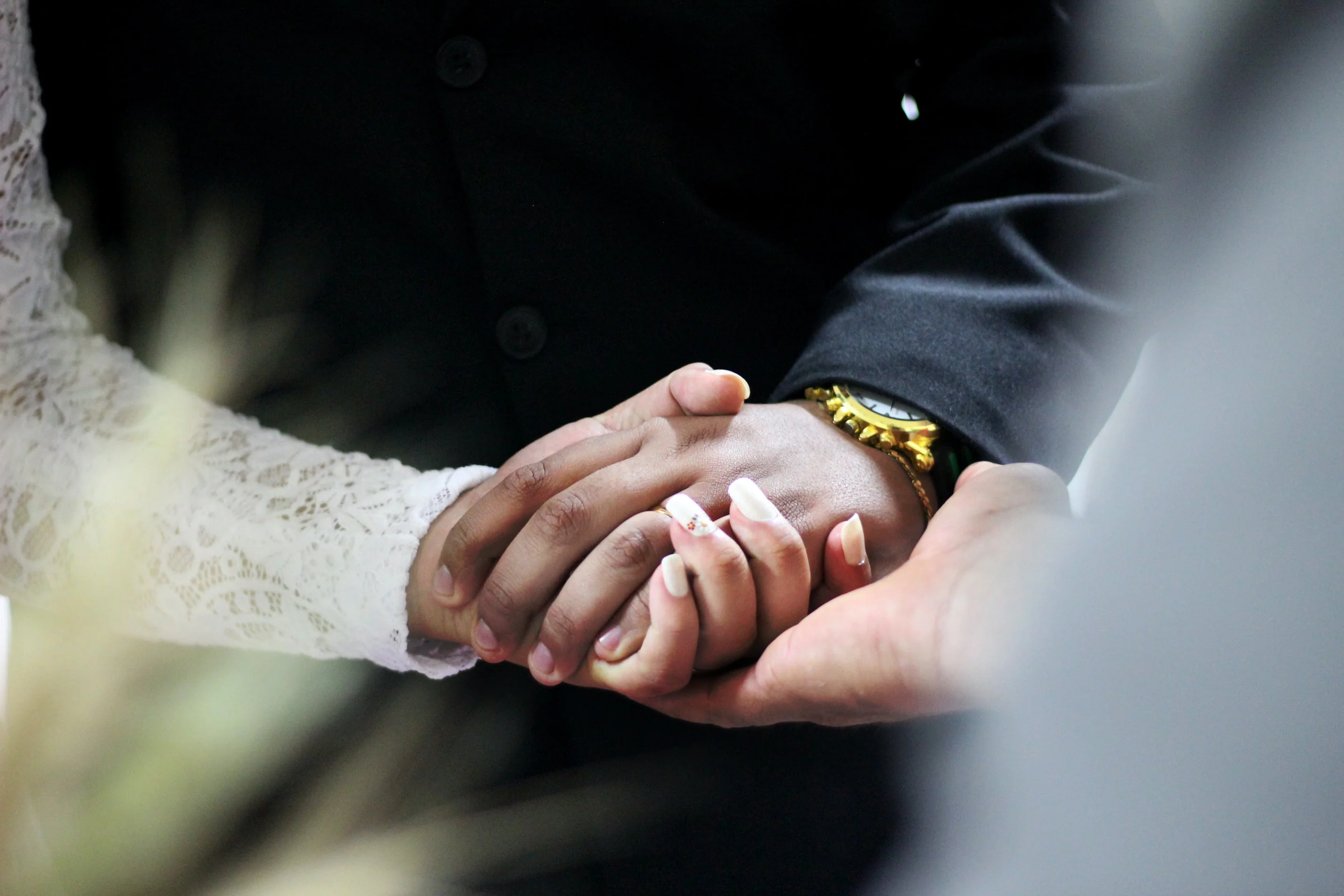
    couple-holding-hands-at-wedding-ceremony. Photo/Internet

    I recently attended the wedding of a fellow survivor of the 1994 Rwanda genocide against the Tutsi. As I watched the radiant bride walk down the aisle, I was reminded of how even the happiest occasions can stir up memories of unimaginable loss.

    When she reached the altar, the bride suddenly burst into tears. I understood her pain immediately. The room was filled with smiling guests, but not a single member of her immediate family was present. They had all been murdered during those 100 horrific days when over one million Tutsi were massacred.

    At what should have been a purely happy occasion, the immense void left by the loss of her loved ones came crashing down on her.

    I knew that pain all too well. I’ve felt that same void at similar milestones in my own life – the birth of my daughters, my college graduation, and reaching the age my parents were when they were killed. Simple, everyday moments that unexpectedly reopen the deep wounds of genocide.

    In the early years after the genocide, I would chase after strangers on the street who vaguely resembled my father or mother, only to be heartbroken when I caught up to them. I would often see a bald, middle-aged man on the streets and for a split second think it was my father. Or a woman would walk by wearing an Igitenge outfit just like one my mother loved. Each time, my heart sank when I realized it wasn’t them.

    I thought I was alone in this experience, but I’ve since learned that many fellow survivors went through the same thing.

    With no graves to visit and no bodies to bury, we clung to any glimpse of our deceased relatives among the living. When you lose someone in such a violent, senseless way, the loss haunts you in unexpected moments for the rest of your life.

    Nearly 30 years on, the genocide still casts a shadow over every occasion. At weddings, our lost loved ones should be there to join the celebration. When children are born, grandparents and aunts and uncles should be there to welcome them into the world. No matter how much time passes, we still feel the empty spaces where our families once stood.

    The genocide stole our chance to properly mourn and bury our dead. So, we are left with these ghosts, reminders that appear in both dark moments and happy occasions. They lurk in the minds of those of us who survived when so many did not.

    Yet on this wedding day, I also felt a sense of renewal. Life continues, even after the worst cruelties. Watching this young bride, orphaned but not defeated, start a new chapter in her life, I was filled with hope. The ghosts may linger, but they will not have the final say. Ends