Tag: Albert Gasake

  • When History Repeats Itself: Rwanda, Congo, and the Scars of Genocide

    When History Repeats Itself: Rwanda, Congo, and the Scars of Genocide

    Elderly Congolese refugees gather at Nkamira Transit Site. Photo: UNHCR/Lilly Carlisle

    Nearly thirty years after the 1994 Rwandan Genocide against the Tutsis, its legacy continues to impact the conflict in the Democratic Republic of Congo. The Rwandan government invokes the narrative of preventing further genocide as justification for its interference in Congo, claiming to protect persecuted Congolese Tutsi. However, Rwanda’s involvement has also fueled resentment and backlash against Congolese Tutsi, evoking the complex situation of the Tutsi Population inside Rwanda in the years leading to the genocide.

    The origins of Congo’s enduring troubles can be traced to the massive exodus of over 2 million Hutu refugees into Congo shortly after the 1994 genocide. This influx of genocidal killers, non-disarmed former Rwandan Armed Forces (FAR), and innocent civilians catalyzed unrest. These Hutu refugees reorganized into rebel groups like the Democratic Forces for the Liberation of Rwanda (FDLR). Their attacks triggered initial legitimate Rwandan cross-border operations.

    It is unclear whether the FDLR, now with an estimated 2,000 fighters, still poses a significant enough threat to Rwanda. However, over time Rwanda’s engagements evolved into economic and exerting regional influence, alleging the need to protect Congolese Tutsi from “genocide” – though its treatment of survivors in Rwanda and Congolese Tutsi refugees reveals contradictions behind this narrative.

    Silencing Genocide Survivors

    In Rwanda, the current regime silences and marginalizes any survivor who dares question the official state narrative demanding unquestioning loyalty. This narrative portrays RPF rebel forces led by current President Paul Kagame as heroic saviors who single-handedly “stopped the genocide” in 1994, ignoring the reality that there was not a single inch of Rwanda’s territory that genocide did not reach, while the RPF arrived too late to save over one million Tutsi already lost. It implies that all Tutsi survivors “owe their lives” to eternal RPF gratitude and servitude for this supposed salvation.

    Any survivors perceived to express dissent or join a different political party of their choice face continued intimidation, imprisonment, mysterious deaths, or violent silencing even decades later. For outspoken survivors like myself now abroad, many of us face organized online harassment and threats to family back home in reprisal for challenging Rwanda’s shining global PR myth.

    Manipulating Congolese Tutsi for Rwandan Interests

    The Rwandan regime cynically manipulates Congolese Tutsis to serve its interests while ignoring their plight. Most of their family members are now scattered across five refugee camps in Rwanda, forced to survive on Rwf 5,700 ($5) per person per month. Over 70,000 Congolese Tutsis have languished in these dire conditions for nearly three decades in five refugee camps across Rwanda. While discrimination against Congolese Tutsis is certainly real, Rwanda’s intentions are questionable.

    Dissenting Congolese Tutsi refugees who resist Rwandan forced conscription into its proxy forces or show disloyalty face ruthless suppression both in Rwanda and Congo.

    In 2017, Rwanda reportedly provided support for brutal attacks by the rebel group Red Tabara against the Banyamulenge Tutsi tribe in south Kivu, causing death and burning their villages for alleged collaboration with Rwandan opposition groups, RNC/P-5.

    In 2018, Rwandan police opened fire on Congolese Tutsi refugees protesting aid cuts at a UN refugee in Kibuye, killing 12 refugees, according to UNHCR. The Rwandan authorities have not revealed how many people were killed nor have they identified those responsible for using excessive force and held them to account.

    Paradoxically, Rwanda supports armed Congolese Tutsi groups like M23, a claim officially denied by Rwanda but confirmed by many independent countries and all international rights groups, to defend them from ”ongoing genocide in eastern Congo”. But this support comes at a grave cost.

    By directly supporting M23’s actions in Congo and explicitly linking the group to Rwandan power, the Rwandan regime has stoked resentment and hatred toward Congolese Tutsi as a whole. Many Congolese now view their Tutsi compatriots as foreign “puppets” disrupting Congo, their own country at Rwanda’s behest.

    While the roots of the conflict were not originally ethnic in nature, Rwanda’s repeated meddling has fueled anti-Tutsi sentiments, redirecting ordinary Congolese anger from their own dysfunctional government onto their fellow Congolese Tutsi civilians.

    Echoes of the Situation of Tutsis Inside Rwanda Before 1994

    By using Congolese Tutsi as justification and leading them in unquestioning loyalty to its political interests, Rwanda puts them at risk. This echoes the RPF rebels’ manipulation of Rwandan Tutsis in the years prior to the 1994 genocide.

    In the lead-up to the Rwandan genocide, many Tutsi families within Rwanda provided moral and material support to the RPF rebels, believing the RPF’s convincing pledges to liberate Rwanda and end the persecution of Tutsis. However, the RPF severely restricted sharing information regarding their military strategies and overlooked the safety concerns of the Tutsis trapped inside Rwanda. This left the Rwandan Tutsi population unprepared when the genocide erupted.

    Over one million Rwandan Tutsis still within Rwanda were then methodically slaughtered in the genocide simply for being ethnic Tutsis, as well as suspected accomplices of the RPF rebels. The RPF ultimately took power out of the genocide’s ashes in July 1994 while we survivors were left to mourn all that we lost – loved ones, communities, futures.

    Now, I fear that three decades later, history is at risk of tragically repeating next door in Congo as some Congolese Tutsi civilians find themselves similarly used as dispensable Rwandan proxies and scapegoats. Just as the RPF callously exploited the trust of Tutsis within Rwanda, it will likely abandon its Congolese allies once their value is depleted. Yet many seem not to heed these warnings.

    A fatal Mistake

    In 1994, we made a similar fatal mistake. We overlooked early warnings about the RPF rebels’ intentions. We heard accounts of young Tutsi recruits from Rwanda being executed by RPF forces soon after joining the rebels’ ranks. Merely being educated or fluent in French spurred suspicion and jealousy among the mostly exiled Ugandan RPF ‘Afandes'( senior rebel soldiers). These youths would be accused of being enemy spies then ruthlessly killed via rebel practice known as “Gufanyiya.”

    The full number of lives lost this way may never be fully tallied. But with a mournful heart, I write now for the memory and justice of those courageous young lives cut short by their own liberation movement. This grim reality should no longer go unspoken just because its rawness pains survivors.

    These murders already exposed rifts between the RPF’s inner circle and Rwanda’s Tutsi trapped inside the country. And they foreshadowed greater betrayals to come, as seen in the marginalization of genocide survivors that persists today.

    The warning signs were present, but we tragically failed to heed them. Had we understood sooner their hungry ambition concealed beneath the façade, perhaps less blood would have paved their rise to power?

    In retrospect, it has become clear that the RPF rebel leaders from Uganda harbored deep-rooted prejudices and resentment towards Tutsis who did not flee Rwanda as they did following the violent 1959 Hutu Revolution. This is evident now because some of those leaders voice such views without hesitation or derogatorily label us “Collaborators” of the Habyarimana regimes when we do not display expected allegiance.

    Back in 1994,  The Tutsis inside Rwanda envisioned an inclusive future, with equal rights and opportunities for all Rwandans that they previously lacked. However, as it transpired, the RPF’s sole objective was to attain absolute control and authority.

    Although we allied with and supported the RPF’s cause, we Rwandan Tutsi civilians painfully suffered the consequences when Hutu extremists almost succeeded in annihilating us.

    Lessons for Congolese Tutsi

    The lessons of history are clear, though often learned through sorrow. To my Congolese Tutsi brothers and sisters, I strongly urge you not to repeat Rwanda’s painfully tragic past.

    Do not allow yourself or your community to become blind followers or disposable tools of external forces, devoid of agency in charting your own destiny.

    Seek instead to build connections and understanding across ethnic groups to forge an inclusive, just vision for Congo’s future – one where all have a voice.

    Your fate lies in your hands alone. We Rwandans had to learn this truth the hardest way imaginable. Ends

    By Albert Gasake, November 21, 2023.

  • Why Do My African Friends Know Nothing of the Rwanda Genocide?

    Why Do My African Friends Know Nothing of the Rwanda Genocide?

    The African Union logo seen from outside the AU headquarters in Addis Ababa, Ethiopia. Photo/Reuters.

    It never ceases to astonish me how little many of my educated African friends know about the 1994 Rwanda genocide against the Tutsi. As someone who lived this tragedy, I am frequently disappointed by the lack of awareness and indifference shown by many of my well-educated African friends when it comes to this horrific episode in recent African history.

    Time and again, I have engaged in conversations with intellectual friends across the continent: Kenyans, Nigerians, Tanzanians, Cameroonians, and more, only to be asked rudimentary questions about the Rwandan genocide: “When did it happen?” “Who killed who?” “Is it still going on?” These questions reveal a striking level of ignorance among those who I would expect to be informed about such a watershed event on our continent.

    This ignorance is not just about facts and dates. It also suggests a lack of empathy and understanding. Many Africans seem to think that the Rwandan Genocide was a “tribal conflict” that had nothing to do with them. They do not realize that the genocide was a crime against humanity and that it could happen anywhere.

    In contrast, the average educated Muzungu (white) I meet has at least a basic grasp of the Rwandan genocide and its tremendous human toll. However, my African friends can readily expound on the French Revolution or the adventures of Napoleon, or the evils of the British colonial empire – all events long past and far removed from Africa.

    Don’t get me wrong – these European histories deserve study. But it is deeply dismaying that so many of Africa’s best and brightest know little to nothing about the systematic murder of nearly a million Africans on their own continent just a generation ago.

    This pattern becomes even more pronounced during the annual commemoration events we organize in my local community in the United States. I make a point to expressly invite fellow Africans to attend, but very few ever do. Their absence and disinterest mirror the apathy displayed by Rwanda’s African neighbors during the actual genocide in 1994, when the Tutsi were being slaughtered en masse.

    Make no mistake, the West deservedly bears responsibility for failing to intervene during the genocide. However, I feel we let our African brothers and sisters off the hook far too easily for their own unconscionable apathy. For it was our fellow Africans – not Westerners – who witnessed firsthand the accumulating evidence of mass murder as the genocide unfolded.

    Our African neighbors saw the horrors of genocide way before the images began flickering across Western TV screens. It was the Tanzanians who saw the thousands of Tutsi corpses flowing through the Akagera River, which separates Tanzania from Rwanda. The Ugandans watched in callous silence as Lake Victoria overflowed with the floating bodies of Tutsi men, women, and children. The Burundians heard direct accounts from the few survivors able to cross the river into Burundi during the early weeks of the killings.

    And yet, despite all they witnessed, not one of these African nations lifted a finger to pressure the UN for action or intervene themselves. Even venerated African elder statesmen like Julius Nyerere and Nelson Mandela largely failed to act decisively.

    This collective lack of concern among those geographically and culturally closest to Rwanda will always trouble me deeply. It calls into question whether romanticized African concepts like Ubuntu (humanity towards others) and Pan-African brotherhood truly carry any modern resonance.

    For context, Africans helmed the top positions at the United Nations during the genocide as well – with the Egyptian Boutros Boutros Ghali as Secretary General, and Kofi Annan of Ghana leading UN peacekeeping operations. Their failure to strongly speak out casts a pall on the continent.

    As a crime against humanity that took place on African soil, I believe Rwanda’s tragedy should be etched in the minds of all Africans. We must break this disturbing silence and labor intensively to raise awareness about the genocide against the Tutsi. For too long, our history has been defined from a Eurocentric lens.

    My African friends and I may know inside out the tragedies of the white man from centuries past. But we have work to do to remember and memorialize our own recent tragedies first. The souls of one million murdered Tutsi cry out to us for remembrance – and we must not fail them again through our collective indifference. Ends

  • Why are the UK and US still downplaying the genocide of the Tutsi in Rwanda?

    Why are the UK and US still downplaying the genocide of the Tutsi in Rwanda?


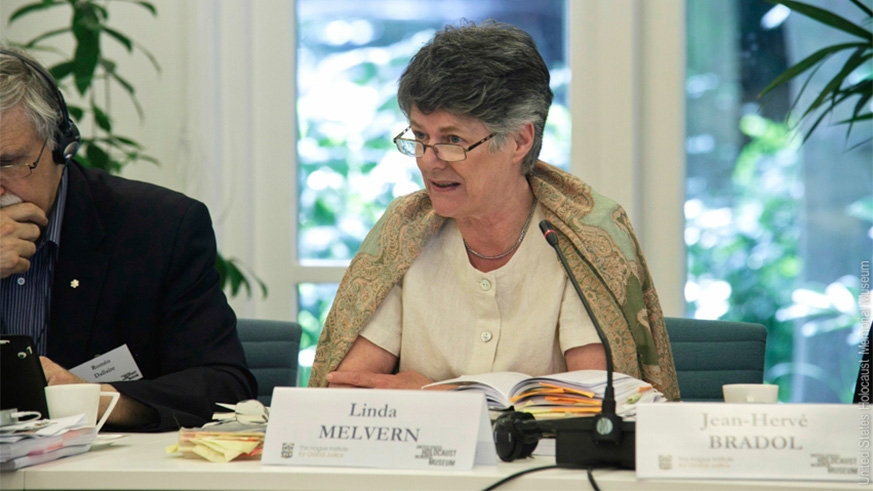
    Linda Melvern. Photo The New Times
    Linda Melvern/Photo: The New Times Rwanda

    The Guardian  July 7, 2020. As the bodies piled up in the streets of Rwanda 26 years ago, no amount of spin could disguise the crime. There were no sealed camps; the massacres were in broad daylight. Yet in the UN security council, the UK and US governments avoided the question of mass killing and saw only a civil war.

    This bolstered arguments that nothing – they thought – could be done. It was scandalous, the Czech Republic’s ambassador Karel Kovanda told them, not to recognize that a genocide reminiscent of the Nazi Holocaust was underway. Kovanda remembers a friendly arm taking him aside as UK diplomats told him such inflammatory language outside the council would be “unhelpful”.


    At the end of April 1994, with the death toll estimated at 200,000 people, the US insisted the UN’s mission in Rwanda be withdrawn, while the UK suggested a token force could remain. Their focus was on former Yugoslavia, where UN troops were recently reinforced and where more peacekeepers served than in the rest of the world. The force commander of the UN mission for Rwanda, lieutenant-general Roméo Dallaire, concluded that by their selfish actions in the council, the UK and US had aided and abetted genocide.

    That the genocide of the Tutsi proceeded unhindered, accompanied by near-universal indifference, is a scandal largely ignored. But it is worth recalling today because, all these years later, the US and UK are again at odds over the word genocide and this time with the membership of the general assembly.

    In a resolution (74/273), adopted by consensus in the general assembly on 20 April, the wording to enshrine an international day to commemorate the victims of the 1994 genocide of the Tutsi was changed. The International Day of Reflection on the 1994 Rwandan Genocide became more specific, and 7 April became a day to commemorate the genocide “against the Tutsi” in Rwanda.

    Afterwards, the UK and US expressed reservations in letters to the president of the general assembly. The phrase “genocide against the Tutsi”, the US ambassador Kelly Craft complained, failed to capture “the magnitude” of the violence against “other groups” and left “an incomplete picture of this dark part of history”. She wrote: “Many Hutu and others were also killed during the genocide, including those murdered for their opposition to the atrocities that were being committed.”

    A letter from the UK chargé d’affaires, Jonathan Allen, objected to the “framing of the genocide purely as the 1994 genocide against the Tutsi”, seemingly hinting at two genocides. One sentence avoided the word genocide: “The UK remembers the tragic events in April 1994 and is firmly committed to ensuring that such atrocities never happen again.”

    An angry response from the Rwandan ambassador to the UN, Valentine Rugwabiza, accused them of distorting historical facts. While both pointed to other victims, these people were not killed in a genocide. Only one group was the target of extermination. This was the case when past genocides in history were commemorated.

    The UN had officially recognized the 1994 genocide of the Tutsi, she reminded them, and the council had established the International Criminal Tribunal for Rwanda (ICTR) to prosecute those responsible. The tribunal’s appeals chamber had affirmed that genocide committed against the Tutsi was “beyond any dispute and not requiring any proof”.

    As the Rwandan ambassador predicted, and unusually for internal UN correspondence, there was interest in the UK and US letters from outside the secretariat. They circulated among genocide deniers, their supporters and acolytes, who claimed misgivings clearly existed at the highest levels, throwing into doubt the “official narrative”. The Hutu Power movement had for years tried to prove moral equivalence – that all sides were guilty in a bloody civil war, and the killing of Tutsi resulted from a spontaneous uprising of angry Hutu.

    In their trials at the ICTR, the perpetrators had claimed the second genocide of Hutu happened and was the subject of an international cover-up. One of the oldest claims in the Hutu Power disinformation handbook, it was dismissed by Human Rights Watch in 1994 as a smokescreen to distract foreign attention from the genocide of the Tutsi. Today, the Hutu Power movement still tries to prove that each “side” was as murderous as the other and that the Rwandan Patriotic Front (RPF) had slaughtered “hundreds of thousands of Hutu”.


  • Inzira Y’Umusaraba Wa Kizito Mihigo

    Inzira Y’Umusaraba Wa Kizito Mihigo

    Iyumvire ubuhamya bwa  Kizito Mihigo mu ijwi rye bwite aho asobanura inzira y’umusaraba yanyuzemo kugeza yishwe. Ni amajwi  bwite ya Kizito we ubwe yabashije kwifata mu kwakira tariki 6, 2016 ubwo yari afungiye muri gereza ya 1930, akayoherereza inshuti ze ziba mu mahanga kuko yatekerezaga ko n’ubundi Leta ishobora kuzamwicira muri gereza. Kanda hano wiyumvire

    Muri aya majwi Kizito avuga amazina y’abantu b’ingeri zitandukanye batumwe kuza kumureba aho yari yarashimutiwe kugirango bamwemeze ko akwiye kwemera ibyaha byose no gusaba imbabazi umukuru w’igihugu.

    Mu buryo budatangaje, muri ayo mazina Kizito yavuze harimo na bagenzi bacu barokotse jenoside yakorewe abatutsi boherejwe muri ako kazi kanduye ahari batari bazi icyo kagamije. Abazwi cyane ni Jean Pierre Dusingizemungu wa IBUKA,  Egide Gatera, umucuruzi ukomeye ukorana na Leta na Mucyo Jean de Dieu, nawe bivugwa ko yishwe mu myaka mike ishize bakabeshya ko yaguye ku ngazi ari ku kazi.

    Nubwo aba bagabo bakomeje kunengwa muri social media, ntawukwiye kubatera amabuye cyane kuko nabo ubwabo baba bari ku nkeke ya Leta, bakaba nabo barashoboraga kugirirwa nabi iyo badakora ibyo basabwe byo gusaba Kizito Mihigo kwishinja ibyaha atakoze. Icyokora, Uwari Ministre w’umuco, Protais Mitali, nawe uvugwa mu batumwe kuri Kizito mu gihe yari mu kaga, we biragoye kwemera ko yaba yarakoreraga ku gitutu cya Leta gusa, kuko na nyuma yo kubonana na Kizito yashyizeho ake, agerageza kwangisha rubanda Kizito, mu ijambo yavugiye mu mu gikorwa cyo kwibuka i Ruhanga,  mu mpera z’ukwezi kwa kane 2014. Mitali yaravuze ati ”Kizito we mumufate nk’abandi banzi bose b’igihugu”.

    Mvuze ko bidatangaje kuba hari abarokotse jenoside batumwe kuri Kizito ubwo yari yarashimutswe, kuko nanjye ubwanye hari inama zo kudusobanurira  ububi bwa Kizito natumiwemo hamwe n’abandi twari duhuriye mu buyobozi bw’imiryango y’abacitse ku icumu mu Rwanda, nyuma gato y’uko afatwa ku nshuro ya mbere mu mpera z’ukwezi kwa gatatu 2014. Iby’izo nama zo kubamba Kizito n’ibyo twabwiriwemo nzabigarukaho  mu nyandiko z’ubutaha.

    Kizito avuga ko bamubwiye ko icyaha azira  ari uko umukuru w’igihugu, atakunze indirimbo ye, Igisobanuro cy’urupfu.

    Ngarutse kuri aya majwi ya Kizito yashyizwe ahagaragara ejo bundi hashize, abasanzwe tuzi Kizito Mihigo ndetse n’uwareba ibindi biganiro yagiranye n’abanyamakuru mbere cyangwa nyuma y’urupfu rwe,  nta gushidikanya ko koko aya majwi ari umwimerere.  Kanda hano wiyumvire

  • Iyicwa Ry’Abarokotse Jenoside: Ibyatangajwe na CNLG na IBUKA Biraca Amarenga Y’aho Ukuri Guherereye

    Iyicwa Ry’Abarokotse Jenoside: Ibyatangajwe na CNLG na IBUKA Biraca Amarenga Y’aho Ukuri Guherereye

    Ejo hashize nkimara gusoma ibaruwa ifunguye Diane Rwigara yandikiye Perezida Paul Kagame ku iyicwa ry’abarokotse jenoside, navuganye n’inshuti yanjye, Felix, nawe warokotse jenoside, mubwira iyo nkuru y’urucantege.

    Mu magambo ameze nk’ubuhanuzi,  Felix (izina rihinduye),  yarambwiye ati: ‘’ ibirego Diane ashinja Leta muri iriya baruwa ye, ntabwo nzi neza ukuri kwabyo. Ariko ibi ngiye kukubwira nubona bibaye byamurikira umuntu wese usesengura aho ukuri guherereye’’.

    Kanda hano usome ibaruwa ifunguye Diane Rwigara yandikiye Perezida Kagame

    Nuko arakomeza ati:  ‘’ Ubu tuvugana inyandiko iri bunyuzwe mu binyamakuru wasanga iri gutegurwa. Inzego zibishinzwe, nizimara kuyinoza  zirarahamagaza Naphtal, umunyamabanga wa IBUKA cyangwa  Jean Pierre, Perezida wayo,  ngo baze babafotore, ahasigaye inkuru itangazwe mu izina rya IBUKA’’.

    nta bwo nahamya 100% ko ariko byagenze, ariko , nanjye nkuwabaye mu nzego za IBUKA n’indi miryango ya sosiyete sivile mu Rwanda, ndabizi ko koko ubwisanzure bw’iyo miryango bugerwa ku mashyi.

    Icyokora nasubije Felix nti, IBUKA ubona yatinyuka ite kwiteza ikimwaro bene ako kageni? Ibuka yaba yaracecetse igihe abo ishinzwe kuvugira bicwaga, noneho ikavuga ubu ngubu  yamagana abinubira iryo yicwa mu gihe yaruciye ikarumira ubwo icyaha cyakorwaga?  Felix, yansetse, arambwira ati:  Ntukigize nkana!

    Bidatinze mu gitondo cya kare ibyo Felix yahanuye byabaye impamo!

    Naphtal, Umunyamabanga wa IBUKA yagaragaye mu kinyamakuru igihe.com  yamagana Diane Rwigara, anavuga ko nta barokotse jenoside bicwa mu Rwanda. Icyokora uwo munyamabanga ntacyo yatangaje  ku kibazo nyirizina cy’amazina y’abarokotse basaga 50 Diane Rwigara agaragaza ko bishwe mu ibaruwa ye.

    Bizimana
    Bizimana Jean Damascene, Umuyobozi wa CNLG. Photo/Igihe.com

    Yaba Naphtal wavugiye ibuka, yaba na Bizimana Jean Damascene wavugiye CNLG mu nkuru yanyuze mu kinyamakuru igihe.com , bose bikomye cyane Diane Rwigara. Igitangaje ni uko  ntawavuze niba koko abavuzwe mu ibaruwa batarishwe, ko hari imanza zabaye cyangwa niba hari amaperereza yakozwe agamije  kumenya imfu z’abo bacitse ku icumu bivugwa ko bishwe n’inzego za Leta kubera gukekwaho gukorana n’abayirwanya.

    Ngo umwera uturutse I bukuru bucya wakwiriye hose.

    Ubu nandika iyi nkuru, maze kwakira ubutumwa  buteye agahinda, umwe mu barescape ubusanzwe uvuga rikijyana yanyandikiye kuri WhatsApp, avuga kuri iki kibazo cy’abacitse ku icumu bishwa.

    Rwagasana (izina rye narihinduye) we nta nubwo aca hejuru y’umuzi w’ibibazo nkuko Ibuka n’ikigo cya Leta cyo kurwanya Jenoside (CNLG) babigenje. Ahubwo Rwagasana agaragaza ko abishwe nka Jean Paul Mwiseneza aribo bizize ngo kuko bakoreshwaga na Diane Rwigara.

    Rwagasana yanyadikiye ati:  ”Gasake, …..Mu bishwe, Diane Rwigara avuga, yahereye kuri Jean Paul Mwiseneza ( bakunda kwita Nyamata). Niwe wari umubabaje kuko niwe yakoreshaga…’’

    Rwagasana namubajije nti ese kuba umuyoboke wa Diane Rwigara cyangwa gukoreshwa nawe byabaye icyaha gihanishwa igihano cyo gucibwa umutwe ryari? Ntegereje ko umuvandimwe Rwagasana ansubiza.

    Nuko arakomeza agira ati, Diane ntagamije gutabariza abarokotse jenoside ahubwo ni inyungu ze bwite kuko hari n’abo avuga mu ibaruwa batarokotse Jenoside.

    Maze hafi imyaka 10 nandika kandi nkurikirana inkuru z’abacitse ku icumu bagenda bicwa, harimo n’urupfu rwa Jean Paul Mwiseneza nanditseho kenshi  kuri uru rubuga.

    Nagaragaje impungenge z’uburyo Leta idashyira imbaraga mu kwamagana ubwo bwicanyi no kugeza mu butabera abakekwa. Bisa nkaho no kubivugaho ari kirazira.

    Nibazaga impamvu IBUKA, CNLG, itangazamakuru rya Leta n’izindi nzego zitinya kwamagana ku mugaragaro ubu bwicanyi bumaze gufata intera ndende. Nta gisubizo ndabona kuri ibi bibazo kugeza ubu.

    Niba n’umuntu wohereza ubutumwa kuri email cyangwa WhatsApp yibereye mu cyumba cye inzego z’umutekano zibasha kumufata, ni gute zinanirwa guta muri yombi abishe Jean Paul Mwiseneza n’abandi bavugwa mu ibaruwa ya Diane Rwigara?

    Niba koko inzego za Leta ziri inyuma y’ubu bwicanyi nkuko Diane Rwigara abivuga, byaba byumvikanisha impamvu hari igihu kinini kuri iyi dosiye.

    Uko biri kose, nkuko, Felix,  mushuti wanjye, yabimbwiye ejo bundi,  uburyo IBUKA na CNLG n’abandi bakomeje kwitwara mu gusubiza ibaruwa ya Diane Rwigara,  biraca amarenga y’aho ukuri guherereye kuri icyi kibazo. Ends.

    Kanda Subscribe ubone n’izindi nkuru nshya zigisohoka.

    Soma izindi nkuru z’abarokotse bishwe:

  • 36 -Year- Old Rwandan Genocide Survivor Beheaded In a Suspected Hate Crime

    36 -Year- Old Rwandan Genocide Survivor Beheaded In a Suspected Hate Crime

    PS: It was later discovered that this genocide survivor was killed by agents of the current government of Rwanda. He was suspected of having communicated with Diane Rwigara, another genocide survivor and woman who dared to challenge the long-serving president, Paul Kagame in the 2017 election.

    Mwiseneza
    Widow holding the victim’s photo at the funeral in Bugesera. Photo/Umuseke

     Genocide survivor man was found dead yesterday in his native neighborhood of Nyamata, a dozen miles east of the capital Kigali. Police found his beheaded body lying on the ground, reported Rwanda’s local newspaper Igihe and umuseke.

    Family relatives believe the victim, Jean-Paul Mwiseneza, was assassinated in connection with the genocide. Jean-Paul miraculously survived the genocide in 1994. He was left for dead among many corpses after receiving a machete blow that left a huge scar on his front head. Jean Paul and his sister were the only survivors in their immediate family.

    His sister, Jaqueline Muhayimpundu, said it was not the first time his brother was targeted for murder since the 1994 genocide against the Tutsi in which his entire family perished.

    Mwiseneza2
    Genocide survivor Jean Paul Mwiseneza, assassinated, beheaded, on June 10, 2019.

    In 2007, Jean-Paul, who has been working as a prison guard over the last 9 years, was stabbed by unidentified people who left him for dead. Jean-Paul leaves a widow and one child.

    Since the end of the genocide, hundreds of survivors have been murdered by released genocide convicts who live side by side with the survivors in Rwanda.
    The number of killings targeting the survivors had drastically increased during the Gacaca courts era, from 2004 to 2012.

    Activists believe that the killings against genocide survivors are often under-reported for it contradicts the Government narrative portraying Rwanda as a model of reconciliation in the aftermath of Genocide.

    By Albert Gasake

    Click the subscribe button below to get new survivor stories right in your inbox.

    Our most read stories on the killing of survivors:

  • Impano Idasanzwe

    Impano Idasanzwe

    Uyu munsi abayisilamu bizihiza umunsi mukuru wa Eid al-Fitr natekereje ku mpano idasanzwe umuyisilamu umwe yampaye igihe nk’iki mu myaka 25 ishize. Sinibuka neza itariki uyu mugabo yampereye iyi mpano ariko uwo munsi isoko rya Kinazi ryari ryaremye! Ni mu mpera  z’ukwezi kwa munani, umwaka wa 1994.

    Byari  ibihe bigoye cyane hashize ibyumweru bike jenoside yakorewe abatutsi irangiye, nta mwenda, nta nkweto, nta babyeyi, inzu nakuriyemo barayisenye, inka z’iwacu baraziriye, ntabasha no gusubira ku matongo yacu. Umutekano wari utaragaruka neza.

    Mu ma saa cyenda, saa kumi z’igicamunsi navuye mu nzu twari ducumbitsemo, ngana ku isoko. Iyo nzu nabanagamo na babyara banjye ndetse na mushiki wanjye, nayo ibyayo ni urwenya gusa gusa iyo mbitekereje ubu.

    Yari inzu ubusanzwe yagenewe kuba ububiko bw’ imifuka y’amasaka n’ibishyimbo bitegereje kugurishwa ariko niyo twiberagamo. Ku irebe ry’umuryango hari handikishijeho ikara, amagambo ari mu nyuguti nini agira ati:  ‘’iyi nzu yarafashwe’’!  Abari mu Rwanda muri ibyo  bihe nta gushidikanya ko  iyo shusho muyibuka!

    Ubwo  navuye ‘’mu rugo’  ntembera ngana ku kibuga cy’isoko ridatwikiriye, aho nasanze Masudi, umuyisilamu  wampaye impano ntazibagirwa. Ntabwo yari anzi. Nanjye ni ubwa mbere nari mubonye.

    Kamba Mbili
    Inkweto za kamba mbili/Photo/europeana collections.

    Masudi yari yambaye akagofero k’abayisilamu gafite ibara ry’umweru harimo uturongo tw’umukara dutambitse. Uwo mugabo w’igikara wari mu kigero cy’imyaka nka 40, yacuruzaga ibintu bitandukanye, byose birambuye kuri shitingi hasi. Inkweto za plastiki, intambi z’udutara twa peterori, amasogisi, ibitambaro abagore batega mu mutwe n’ibindi. Nabonaga ari umukire cyane! Kandi koko yari mu bakomeye muri iryo soko kuko abandi bacuruzi baramburaga  hasi ku mifuka yacitse ibicuruzwa byabo bibarirwa ku mitwe y’intoki.

    Masudi yabonye akana ko mu kigero cy’imyaka 10, kambaye ibirenge gusa , n’ivumbi rigera mu mavi, aterura umuguru w’inkweto za kamba-mbili zifite ibara ry’ubururu ahereza ako kana! Akana kamubwiye ko nta mafaranga gafite, maze Masudi akareba mu maso, ahari agira impuhwe. Aragasubiza ati: ‘’ndabizi’’.  Zitware nziguhereye ubuntu.

    Ako kana k’imyaka 10 icyo gihe, ubu ni umugabo w’imyaka 35, wubatse uri kwandika iyi iyi mirongo! Iyo mpano idasanzwe na magingo aya, nyuma y’imyaka 25 yankoze ku mutima, uko mbonye abayisilamu bo mu Rwanda ndabyibuka.

    Amaze kumpereza izo nkweto, icyo gihe zaguraga amafaranga nka 200 cyangwa 300, namanutse niruka n’ibyishimo byinshi nanga guhita nzambara ngo ntazanduza.

    Naherukaga kwambara inkweto ababyeyi banjye bakiriho. Kuva ubwo izo Kamba-mbili zanjye nazirazaga ku musego uko mbyutse nkaziteraho akajisho!

    Abayisilamu bose mbifurije umunsi mukuru mwiza!  Murakagira ibyo mutanga n’ibyo musigarana. Eid Mubarak! End.

  • GAKENKE: Imitungo y’imiryango yazimye yigaruriwe na bamwe mu babishe

    GAKENKE: Imitungo y’imiryango yazimye yigaruriwe na bamwe mu babishe

    Gakenke
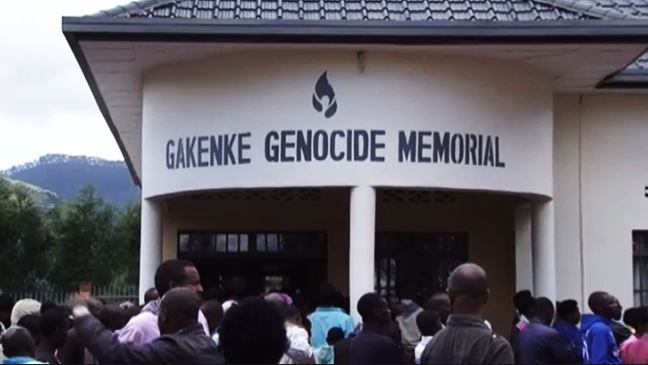
    Urwibutso rwa Gakenke. Photo/Flash Radio/TV

    Flash Radio/TV: Abarokotse Jenoside yakorewe abatutsi mu karere ka Gakenke mu ntara y’Amajyaruguru baravuga ko bashengurwa no kubona imitungo y’imiryango yazimye ibyazwa umusaruro na bamwe mu bagize uruhare mu kwica iyo miryango.

    Bavuga ko kuba ababishe ari bo bahindukiye bagasubira mu mitungo yabo ari agashinyaguro, bagasaba ko bayikurwamo igacungwa n’imiryango iharanira inyungu z’abarokotse.

    Umwe yagize ati” Iyo tubibonye birushaho kudukomeretsa kuko ntabwo wakwica umuntu ngo hanyuma wivurugute mu mutungo we, bigaragara nko gushinyagurira abo bantu uba warishe.”

    Undi warokotse Jenoside yakorewe abatutsi mu Gakenke ati” Iki ni kimwe mu byagiye bitubabaza cyane aho twumva niba imiryango yarazimye muri rusange… N’ubwo yazimye ntabwo imitungo yabo ikwiye kuba ihabwa abantu bose uko babyumva.”

    Abarokotse basaba ko iyo mitungo yegurirwa Imiryango iharanira inyungu zabo.

    Umwe ati” Twe twumva iyo mirima yahabwa abaduhagarariye ikajya ikoreshwa mu bindi bikorwa ariko idakoreshejwe n’abagize uruhare mu kwica iyo miryango.”

    Ibuka mu Gakenke isanga kuba ikoreshwa n’abagize uruhare muri Jenoside yakorewe Abatutsi ari ugupfobya.

    Uhagarariye inyungu z’abakorokotse Jenoside yakorewe abatutsi mu karere ka Gakenke Sadi Dunia ashimangira iby’abarokotse, agira ati” Twe nka Ibuka hari icyifuzo dufite, ni uko imitungo y’imiryango yazimye byaba byiza habayeho kuyegurira imiryango iharanira inyungu z’abacitse ku icumu, cyane ko hari igihe usanga ikoreshwa mu buryo tutishimira[…] ugasanga irakodeshwa abagize uruhare muri Jenoside bikaba nko gupfobya cyangwa gukina abantu ku mubyimba,…”

    Intumwa ya Rubanda isanga iki kibazo atari icya Gakenke gusa

    Visi Perezidante w’Inteko Ishingamategeko umutwe w’Abadepite ushinzwe amategeko no kugenzura ibikorwa bya Guverinoma Madamu Edda Mukabagwiza avuga ko iki kibazo kigiye kuganirwaho n’izindi nzego, akemeza ko kitari mu Gakenke gusa.

    Yagize ati” Ikibazo cy’imitungo y’abagizwe inshike cyangwa batakiriho ni ikibazo, nk’uko amakuru yabigaragaje, gishobora kuba kitari hano cyane ariko kigaragara mu bindi bice by’igihugu cyacu. Ni ikibazo tuzakomeza gukurikirana no kuganira n’izindi nzego kugira ngo na cyo kizabonerwe umuti ugikwiriye, ntabwo bikwiriye koko kubyaza umusaruro imitungo y’abatakiriho bazize Jenoside yakorewe Abatutsi. Ntabwo twifuza ko byagera igihe bivamo gushinyagura cyangwa kubatoneka.”

    Muri rusange imiryango yazimye muri Jenoside yakorewe Abatutsi mu karere ka Gakenke ni 108 nk’uko abaharanira inyungu z’abarokotse Jenoside yakorewe Abatutsi ibivuga.

    Inkuru ya Honore Umuhoza/Flash Radio/TV yatangajwe none Itariki 15, Gicurasi, 2019.

  • Why the ordinary Hutu Killers Were Not Just  Following Orders Blindly

    Why the ordinary Hutu Killers Were Not Just Following Orders Blindly

    merlin_152915424_938fdfa3-6759-4fd0-8899-5e659a040c0e-superJumbo
    Daphrosa Mukamusoni, a former Democratic Liberation Forces of Rwanda combatant, at the Reintegration and Demobilization Center in Mutobo, Rwanda, where released prisoners spend three months learning to reintegrate into society before they return to the families and communities they left decades before.CreditCreditJacques Nkinzingabo/Agence France-Presse — Getty Images

    As a genocide survivor, I am troubled by the portrayal in the New York Times’ opinion “They committed genocide. Their neighbors welcome them home”  that removes “responsibility from the individuals who perpetrated the violence” by placing blame on historical colonialism and government.

    Many individual ordinary Hutus made a deliberate choice to do evil, just as others chose to resist the urge to kill the Tutsi, including Simeon, who hid and saved me and a dozen other Tutsi during the genocide.

    Given the magnitude of the genocide and the sadistic violence that the individual Hutu used to annihilate the Tutsi in 1994, It is simply an aberration of truth to reduce the responsibility of individual Hutu to just acting out of government orders, fear or colonial-era legacy.

    Widespread rape by HIV-positive Hutu men, body mutilations, cannibalism, and many other inhuman acts show that the ordinary Hutu, regardless of their level of education and social status, zealously enjoyed the ‘’work’’ –meaning to kill as it was coded during the genocide.

    That neighbors come from “near and far” to welcome home genocidaires released from prison, it is important to understand the context here. Survivors are estimated to be a little over 2% of the Rwandan population today. So, who are these neighbors exactly? Mainly the genocidaires’ friends and family.

    There is a great vacuum in understanding the social dynamics of post-genocide Rwanda and the unique situation of genocide survivors, not helped by a dominant focus on forgiveness and reconciliation. Particularly when this is at the expense of talking about the lack of reparative justice for survivors who lost so much in 1994.

    By Albert Gasake

  • Impunity for Genocide Perpetrators: How the UN Residual Mechanism Fails to Deliver Justice

    Impunity for Genocide Perpetrators: How the UN Residual Mechanism Fails to Deliver Justice

    By Noam Schimmel, First published at Mcgill university’s  Center for Human rights and Legal Pluralism today.

    maxime-niyomwungeri-455213-unsplash
    Photo: Mcgill university’s  Center for Human rights and Legal Pluralism today.

    If you were asked to consider what would be a just sentence for someone who organized and implemented the mass murder of several thousand – possibly tens of thousands or hundreds of thousands of individuals, innocent people killed because of their religion, ethnicity, perceived race, or real or imagined political beliefs – and who had to command responsibility for these murders, you would probably intuitively and reasonably suggest a life sentence given the gravity of the crimes and their radical undermining of law, morality, social norms, and human rights.

    Or perhaps you would suggest a life sentence for each murdered victim, which demonstrates the value society and its laws place on the life of each individual. This principle is used in sentencing in some national jurisdictions, such as the United States.

    But international criminal tribunals such as the International Criminal Tribunal for Rwanda (ICTR), the International Criminal Tribunal for the Former Yugoslavia (ICTY), and the United Nations International Residual Mechanism for Criminal Tribunals (Residual Mechanism) that responds to appeals of sentences made by these tribunals— and requests for early release from convicts —often radically undervalue the lives of the innocent in their sentencing.

    The sentences given by these tribunals make a mockery of the principle that a sentence should be commensurate with the crimes committed. Much (though not all) of the sentencing of both of these tribunals and the Residual Mechanism transmits the message that the more individuals one murders and maims the less an affront to law, morality, and humanity is the crime.

    The ICTR and ICTY have sentenced criminals guilty of the organization and implementation of the mass murder of hundreds or thousands of individuals and/or of the incitement to genocide—acts often preceded by the torture of extreme brutality and depravity—to shamefully and unconscionably short sentences.

    But the demonstration of the egregious nature of these crimes has largely failed and their deterrence is hardly what has happened in practice. 

    These international tribunals were set up to demonstrate that war crimes, crimes against humanity, and genocide are egregious crimes that shock the conscience of humanity.

    Their purpose was also to send out the message that said crimes will be punished in accordance with their severity, the danger they pose to respect for human rights and human dignity, as well as to deter such crimes in the future.

    But the demonstration of the egregious nature of these crimes has largely failed and their deterrence is hardly what has happened in practice. The sentencing regimes that these tribunals have adopted sent quite the opposite message to international criminals.

    Lt-Col.-Simba-Aloys
    Lt-Col. Simba Aloys,  Aka, The Butcher of Murambi, Released early after being convicted of Genocide by the ICTR.

    Moreover, the Residual Mechanism has continued in that ignominious and irresponsible way. Unfortunately, this profound perversion of justice remains scarcely acknowledged or discussed. Their indefensibly light sentencing undermines the moral and legal integrity of international criminal law, international human rights law, and international humanitarian law.

    Furthermore, the countries that fund and support international criminal tribunals betray the values inherent in their own legal systems by not protesting the structural and systemic moral and legal failures at the heart of sentencing of these tribunals and of the Residual Mechanism.

    Amongst other issues, light sentencing and early release of convicted criminals embolden and sustain the vicious misogyny that characterized the massive and savage attacks on women, which were particularly characteristic of the Rwandan genocide against the Tutsi. As such, they are an affront to the rights, dignity, freedom, equality, and security of Rwandan women and of women generally.


    The UN Residual Mechanism’s early release of convicted Rwandan genocidaires may inspire potential future mass murderers – especially murderers ranking lower in the hierarchy – to conclude that there is a reasonable chance that if apprehended for crimes against humanity and genocide their punishment will be minimal, and their chance of eventually acquiring freedom fairly high – however much they maim and murder.

    Frequently, individuals who benefit from early release show no remorse, are not rehabilitated and have made no effort to repair. Furthermore, they go on to engage in genocide denial, incitement to hatred, and they use their freedom to harass, defame, and torment genocide survivors and those associated with their past victims; in the case of Rwanda, Tutsis.

    In fact, such early releases granted by the UN Residual Mechanism raise the question of how states such as Rwanda should respond. These early releases pose a direct threat to the rights, welfare, and safety of genocide survivors and potentially to the stability and public safety of Rwanda and the Rwandan people as a whole. These are not abstract, symbolic issues. They are of real import and practical consequence.

    As someone who has worked closely with genocide survivors in Rwanda for many years, I learned from survivors that the inadequate sentencing of the ICTR added to their well-founded fears for their safety, exacerbated their trauma, and increased their psychological suffering and sense of acute loneliness and vulnerability.

    It also severely undermined their – and the broader community’s – faith in the international legal system, which has already betrayed them catastrophically by failing to enforce the 1948 Genocide Convention in their unwillingness to prevent or stop the genocide.

    Because the sentencing of the international criminal tribunals has so frequently failed to reflect the gravity of the crimes which they punish, national jurisdictions are likely to increasingly call into question their value, credibility, and integrity, both legally and morally, and rightly so. The same is true of the UN Residual Mechanism as it continues to repeat the mistakes of the ICTR.

    It has already done so in ten cases where it has granted early release without legitimate cause, and without paying due regard to the concerns of genocide survivors. Because the sentencing of the international criminal tribunals has so frequently failed to reflect the gravity of the crimes which they punish, national jurisdictions are likely to increasingly call into question their value, credibility, and integrity, both legally and morally, and rightly so.

    This undermining of the authority of international criminal law, and the ensuing potential loss of trust and of cooperation with its tribunals and the Residual Mechanism – which cannot function effectively without such cooperation – will squarely rest with those particular judges (because it is not all of them) whose sentencing and early releases so often have been and remain incommensurable with the crimes committed.

    As the 25th anniversary of the Rwandan genocide against the Tutsi takes place in April of this year, it has become apparent that the United Nations, which failed to prevent or stop the Rwandan genocide in 1994 and actually enabled it by withdrawing UN troops, is now shamefully failing Rwandans again.

    The UN Residual Mechanism continues to neglect to legitimately and substantively deliver justice, and instead delivers impunity for genocide perpetrators and callous indifference to genocide survivors. Perhaps most noteworthy of the failures of the ICTR and the Residual Mechanism, is how it willfully marginalizes genocide survivors by denying them a right to express their concerns about issues such as sentencing, and in so doing contributes to structural violence against them in the form of increasing their trauma, devaluing their experiences and perspectives, and silencing them before the law.

    As Theodore Meron, then President of the Residual Mechanism wrote in his decision to grant early release to Aloys Simba, “In regard to the views of victims and other individuals about the impact that Simba’s potential early release would have on the victims, I recall that the Statutes, the Rules, and the Practice Direction do not provide for the victims’ views on an application for early release, commutation of sentence, or pardon by persons convicted by the ICTR, the ICTY, or the Residual Mechanism.”

    In this way, the Residual Mechanism and its former President, Theodore Meron, who consistently favored genocidaires in granting them early releases even when they denied their crimes and lacked remorse, have made it clear that international law actively favors genocidaires willfully and cruelly. It does so with staggering moral blindness and equally unconscionable arrogance and thus contributes to the suffering and violation of the rights and welfare of genocide survivors and the ongoing injustices they face.Ends


    About the author

    Noam Schimmel is Visiting Associate Professor of Ethics and International Affairs at the Elliott School of International Affairs, George Washington University. He researches in the areas of human rights, development studies, the politics and ethics of human rights law and its application, and global justice. He recently was Research Visitor at the Bonavero Institute of Human Rights, Oxford Faculty of Law, where he researched reparative justice, the human rights of Rwandan genocide survivors, and the human rights responsibilities of NGOs.