
Portrait of Scholastique Mukasonga 06/07/2022/Mantovani ©Gallimard/photo
Of all the Rwandan writers alive today, Scholastique Mukasonga is perhaps my favorite. I’ve had the privilege of reading most of her prolific body of work and have always been fascinated by the originality in her writing and her ability to eloquently describe highly complex cultural and Rwandan customs.
Reading Mukasonga transports me back to my mother’s world – to women lovingly preparing ikigage sorghum beer, the fermentation process in clay pots (ikibindi), the rhythmic sound of grinding stones (urusyo) pulverizing grain.
Her words resurrect a vanishing Rwanda, a Rwanda to most genocide survivors that ended in 1994, when our loved ones and 1 million Tutsis were massacred in genocide, honoring folklore at risk of fading away.
In her memoirs “The Barefoot Woman” and “Cockroaches” (my two personal favorites), Mukasonga vividly shows what daily life looked like for the Tutsis who were deported from various districts of Gikongoro to the harsh forests of Bugesera in the 1960s.
Forced to coexist alongside wild predators like leopards and lions, the exile of this community is a tragic period in Rwanda’s history that I only understood from her firsthand account, having been born years later in the 1980s generation. No one has ever described this painful episode of the past so poignantly.
Through her poetic voice reclaiming lost myths and matrilineal wisdom, Mukasonga ensures the resilience of exiled Tutsis lives on into the future. That’s why I’m thrilled to share this fantastic review published today in the London Review of Books by Kevin Okoth, highlighting her phenomenal storytelling gifts of insight and imagination.
Top Mukasonga Books & Summaries
- Inyenzi or Cockroaches (2006) – Memoir depicting Mukasonga’s experiences growing up as a young Tutsi girl in southwest Rwanda, recounting rising ethnic tensions, anti-Tutsi discrimination, and violence that forced her family into exile.
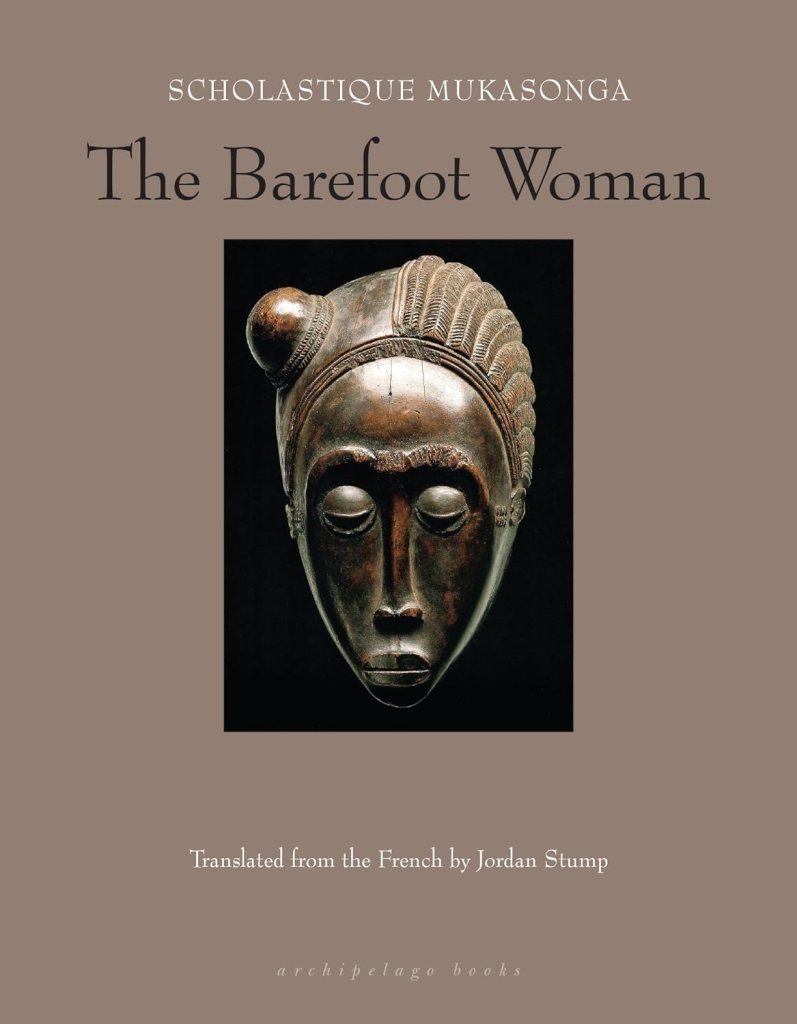
- The Barefoot Woman (2008) – Second memoir paying tribute to the author’s mother and other resilient women in the Tutsi refugee camps, documenting their daily struggles and efforts to maintain cultural traditions.
- Our Lady of the Nile (2012) – Debut novel fictionalizing Mukasonga’s time at an elite Catholic girls school, weaving personal student dramas with mounting ethnic conflicts erupting outside school gates on the eve of an uprising.
- Igifu (2016) – a poignant short story about a five-year-old girl named Colomba struggling with hunger that gnaws at her belly like a “dizzying hole.” In a desperate act of preservation, Colomba’s mother gathers enough sorghum to whip up a nourishing porridge, bringing her daughter back to life.
- Kibogo (2022) – Novel exploring Rwandan ancestral folklore through the story of the mythic figure Kibogo interwoven with tales of a village battling colonial interference in traditional beliefs blamed for a devastating drought.


I cannot recommend these illuminating and poetic books highly enough for their invaluable contributions to sustaining Rwandan stories often erased from mainstream histories. Mukasonga’s literary voice carries memories forward with humanity and grace. Ends
By Albert Gasake



 Justice4 Survivors
Leave a comment