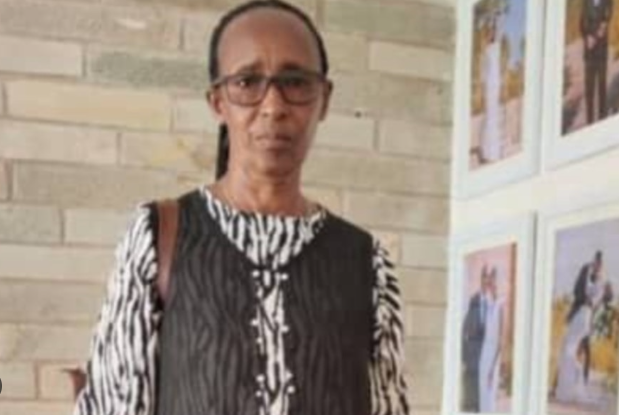
Urwego rw’Igihugu rw’Ubugenzacyaha ku bufatanye na Polisi, bataye muri yombi ukekwaho kugira uruhare mu rupfu rwa Nduwamungu Pauline wari utuye i Rukumberi mu Karere ka Ngoma wishwe aciwe umutwe.
Nduwamungu Pauline yishwe tariki ya 14 Ugushyingo, 2024 bamusanze iwe mu rugo.
Mu ibazwa , uwitwa Nziza, mwene Ntihabose Theogene, yaje kwemera ko ari we wamwishe ndetse ajya no kwerekana aho yari yahishe umutwe wa Nduwamungu.
Umuvugizi wa RIB, Dr Murangira B. Thierry,yabwiye itangazamakuru ko mu ibazwa ry’uyu ukekwa, yisobanuye avuga ko impamvu yamwishe amuciye umutwe “ ko yagira ngo atazafatwa ngo kuko yabwiwe ko mu mboni z’uwishwe hasigaramo ifoto y’uwamwishe iyo yamwishe barebana.”
Umuvugizi wa RIB avuga ko hagikorwa iperereza harebwa niba yarazize ko yacitse ku icumu rya Jenoside.
Ati “Kugeza ubu ntabwo twakwemeza cyangwa ngo duhakane ko yaba yazize ko yacitse ku icumu rya Jenoside yakorewe Abatutsi, iperereza niryo rizabigaragaza.”
NGOMA: Abagizi ba nabi bishe urw’agashinyaguro umukecuru w’imyaka 66 y’amavuko warokotse Jenoside yakorewe Abatutsi, witwa Nduwamungu Pauline, wari utuye mu Mudugudu wa Akabungo, Akagari ka Rubago mu Murenge wa Rukumberi.
Ni Amahano yabaye ku wa Kane tariki 14 Ugushyingo 2024 gusa urupfu rwa nyakwigendera rumenyekana ku wa 15 Ugushyingo 2024.
Abishe nyakwigendera babikoze mu masaha y’amanywa, hanyuma bamujugunya mu kimoteri, barenzaho igitaka.Ubwo abaturanyi bashakishaga irengero rye, ni bwo babonye icyo kimoteri gisibye, batungurwa no gusangamo umubiri we.
Umuyobozi wa IBUKA mu Karere ka Ngoma, Biseruka Omar, yabwiye bagenzi bacu ba Kigali Today ko abo bagizi ba nabi bamukuyeho umutwe, barawutwara.
Yagize ati “Abamwishe babikoze hagati ya saa saba na saa munani z’amanywa bamujugunya mu kimoteri mu rugo rwe bamukuraho umutwe.”Avuga ko abo bicanyi bari babigambiriye kuko yari atuye ahantu ku muhanda munini wa kaburimbo kandi hagati y’abandi bantu ibipangu byahanaga imbibi.
Ati “Nta muntu uzwi bari bafitanye amakimbirane, ababikoze rero ni ya ngengabitekerezo yo kugirira nabi uwarokotse Jenoside.”
Abaturage basabwe kubana mu mahoro no mu bwumvikane, bakirinda ibikorwa by’ubwicanyi, kuko kwica nta shema ribirimo, ahubwo ari icyaha kigayitse, kandi ko ugihamijwe n’inkiko ahabwa igihano kiremereye.
Basabwe kandi gutangira amakuru ku gihe, kandi buri wese akaba ijisho rya mugenzi we n’abafitanye amakimbirane bakabimenyesha ubuyobozi bukabakiranura.
Umurambo wa nyakwigendera wajyanywe ku bitaro bya Kibungo kugira ngo ukorerwe isuzuma mbere y’uko ushyingurwa.
Mu gihe iperereza rikomeje, abantu babiri bakekwaho uruhare mu rupfu rwa Nduwamungu Pauline batawe muri yombi.
Inkuru ya NDEKEZI Johnson wa Umuseke.com yanditswe kuwa 17, Ugushingo, 2024 .
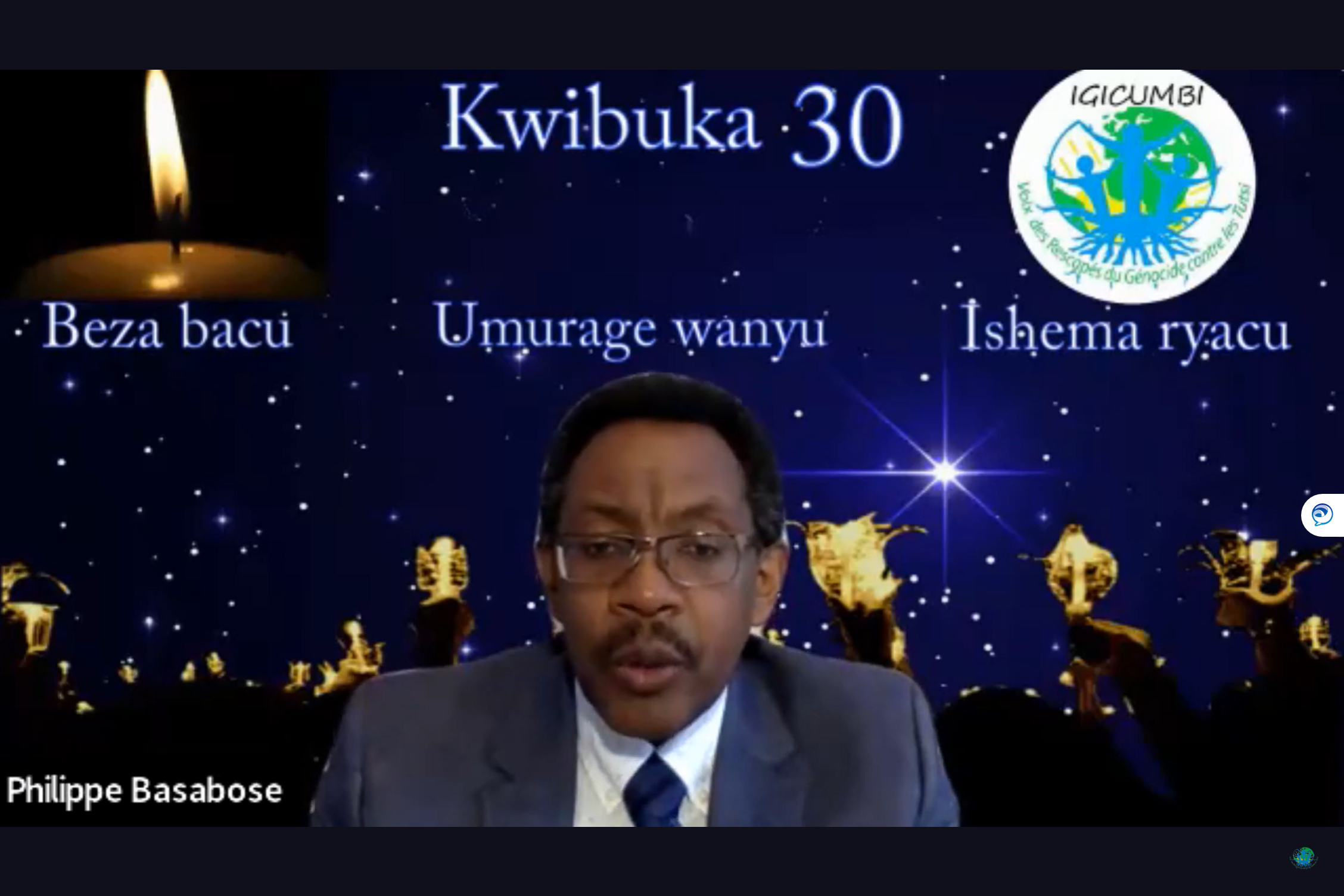
Mu ijambo rye, Dr. Filipo Basabose, umuyobozi w’ishyirahamwe Igicumbi, arasesengura amateka ya jenoside n’ingaruka zayo ku bacitse ku icumu mu magambo atomoye, ariko abenshi dukunda kuvugira mu matamatama!
Uyu mwarimu wa kaminuza muri Canada, agaruka ku bintu 5 ahamya ko byahumye amaso abatutsi bari mu gihugu, ntibabashe gusoma neza ibimenyetso bya Jenoside yategurwaga.
Dr. Basabose aragira ati:
Twizeye ko imishyikirano yaberaga Arusha igiye kurangiza intambara amahoro akaboneka
Twizeye imbaraga z’amashyaka atavuga rumwe n’ubutegetsi mu kurwanya ubuhezanguni bwa MRND na CDR.
Ku munota wa 29‘, Dr. Basabose anenga bikomeye uburyo abacitse ku icumu bibasirwa mu itangazamakuru mu Rwanda nk’itsinda. Basabose atanga urugero rw’ikiganiro cy’umunyamakuru uzwi cyane witwa Mutesi Scovia na Samuel Mutungirehe bumvikanye bikoma abacitse ku icumu ngo ”kuba bararokowe n’inkotanyi ariko bakanga bakaba ikibazo ku gihugu”. Ngo n’ubwo baba bicwa ntibakwiye ”kurwanya ababarokoye”. Icyo kiganiro cya Scovia wakibona hano kuva kumunota wa 15 kugera ku munota wa 22.
Muri iri jambo, Dr. Basabose asesengura kandi uburyo iyo indege idahanurwa, jenoside itari kugenda uko yagenze, bityo uwayihanuye ngo akaba ataragiriye nabi abari mu ndege gusa, ahubwo ko yanashyize mu kaga abatutsi bari mu gihugu abigambiriye. Dr. Basabose ashimangira ko ibyo bitavanaho cyangwa ngo byoroshye uruhare rw’abahutu bakoze jenoside nk’uko bamwe bajya babyitwaza.
Reka nsoreze ku kandi kantu nakunze mu ijambo rya Dr Basabose. Yavuze ko iyo abantu bubashye ubutegetsi, aho kubaha amategeko n’umutima-nama wabo, ntakibuza amahano. Iyo inyungu z’abo bategetsi zijyanye abaturage gukora amahano, kuyakora byitwa gukunda no gukorera igihugu, bityo abaturage bakabiyoboka. Basabose arabaza ati: “Ese abanyarwanda mwumvira amategeko n’umutima-nama wanyu cyangwa mwumvira ubutegetsi?” Ends
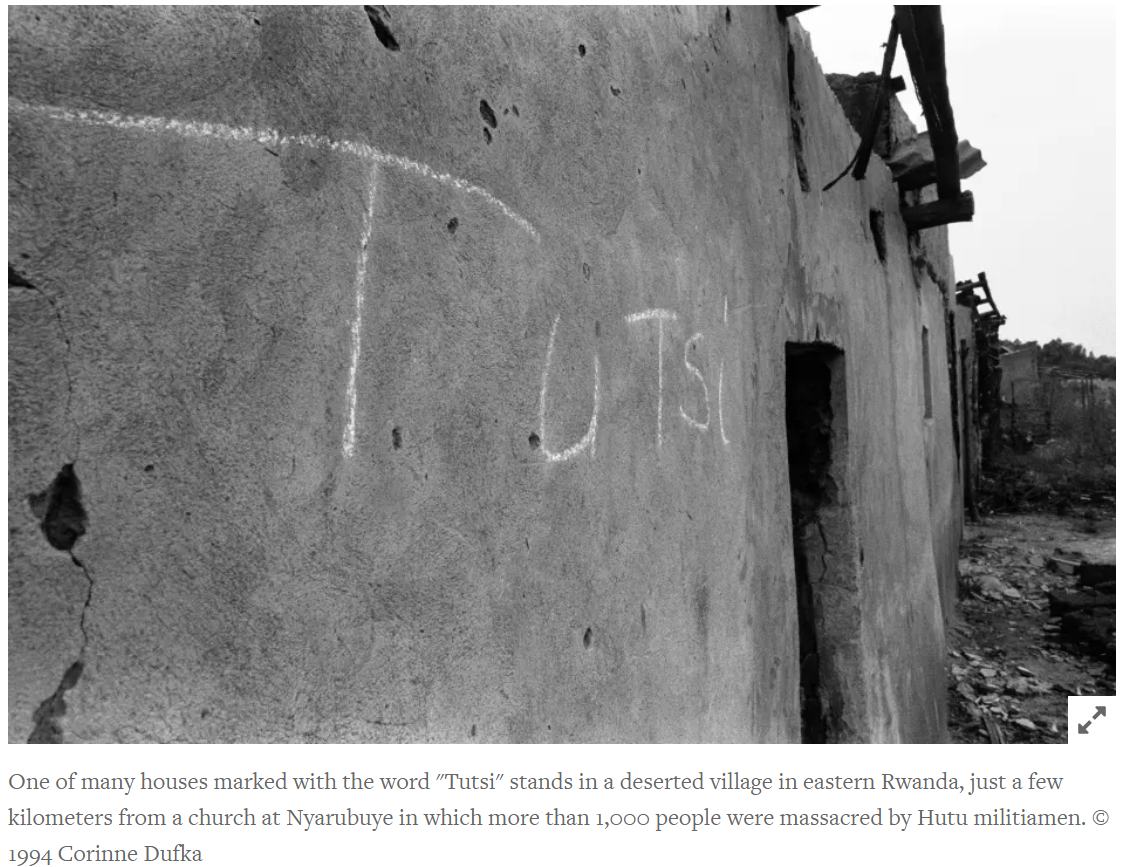
Today, Human Rights Watch announced the release of a series of archives highlighting the efforts of human rights defenders to warn about and attempt to stop the 1994 genocide against the Tutsis in Rwanda. The documents painfully illustrate how leading international actors refused to acknowledge and act to halt the slaughter of over one million people.
The archives cover March 1993 to December 1994, demonstrating the extensive advocacy by groups like Human Rights Watch as the genocide was first planned and then unleashed. Records include strategy documents, statements, and letters showing how global leaders rejected even modest interventions against the genocidal regime.
Despite repeated warnings from human rights groups and others about the impending genocide, the UN largely withdrew peacekeepers, leaving civilians defenseless as the massacres occurred. Alison Des Forges, senior adviser to the Africa division at Human Rights Watch for almost two decades, published the authoritative account of genocide, “Leave None to Tell the Story,” and documented the international community’s indifference and failure to act.
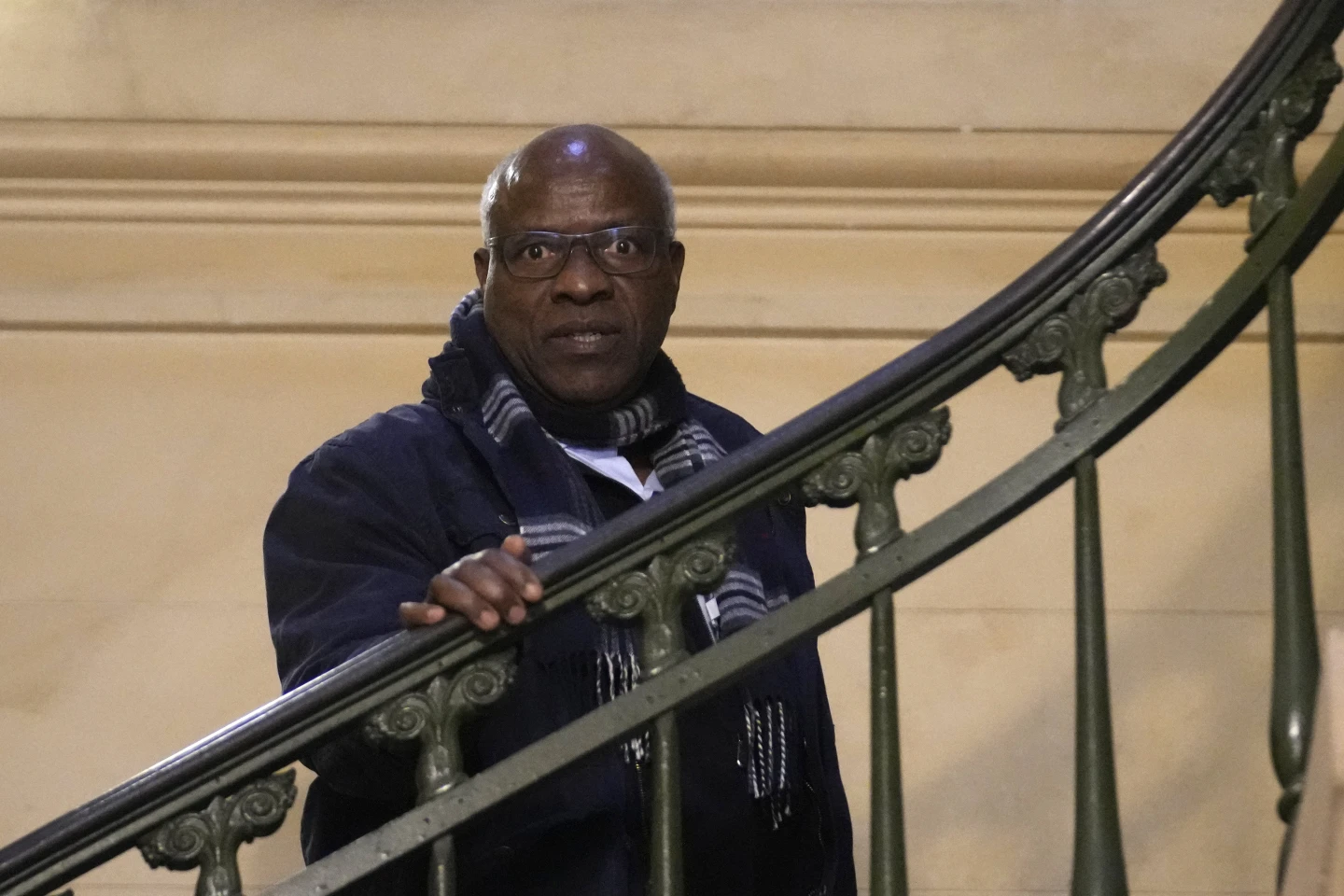
Sosthene Munyemana, a Rwandan doctor arrives at Paris court house. (AP/Photo/Christophe Ena)Sosthene Munyemana, a Rwandan doctor arrives at Paris court house. (AP/Photo/Christophe Ena)Former Rwandan doctor Sosthene Munyemana was jailed for 24 years by a French court for his involvement in the 1994 genocide of Tutsis. By Benoit PEYRUCQ (AFP)
Sosthene Munyemana – a doctor turned genocidal villain – shielded by French indifference, is finally convicted. This achievement is largely thanks to the heroic efforts of Alain and Daphrose Gauthier from the ” Collectif des Parties Civiles pour le Rwanda” (CPCR).
While only a small measure of justice, it marks a significant victory in the ongoing fight to end impunity for those responsible for the Rwandan genocide. Munyemana’s conviction sheds light on systemic failures that protect perpetrators and overlook survivors.
Munyemana, 68, was found guilty on charges of genocide, crimes against humanity, and aiding in preparations for genocide. As a gynecologist in April 1994, Munyemana gave a speech inciting the killing of Tutsis in Tumba and later participated directly in attacks, commanded soldiers, and oversaw the extermination of Tutsi civilians. His conviction received extensive media coverage; case details are on the CPCR website.
The case’s progress was hindered since its inception in 1995 due to political and legal challenges in prosecuting Rwandan genocide suspects in France. Such reluctance in France to pursue accountability for these crimes is regrettably common.
The 2021-2022 report from Rwanda’s public prosecution office reveals that France harbors the most genocide fugitives in Europe, with 92 individuals convicted in absentia by the Rwandan Gacaca courts, followed by Belgium with 88. The United States and Canada shelter 60 and 9 fugitives, respectively.
France, however, is not unique in this regard; other countries, including Rwanda, the DR Congo, Uganda, Burundi, and Tanzania, also drag their feet in prosecuting fugitives.
In 2022, the NPPA’s fugitive mapping initiative could only gather information on about half of these criminals (35,680), hindered by tracking difficulties and case duplications. Of these, 21,950 are thought to be abroad, with only 1000 having international indictments. Approximately 7055 are believed to be in Rwanda.
Although Rwanda has prosecuted around 1.2 million cases from 2005 to 2012, the urgency in tracking and prosecuting these fugitives has diminished over time. The conviction of Munyemana should reignite efforts to seek justice for the one million lives lost in the 1994 genocide against the Tutsi.
Today, on the 75th anniversary of the Universal Declaration of Human Rights, I find myself in a contemplative mood, reflecting on the journey of my fellow survivors of the 1994 genocide against the Tutsi in Rwanda. Being a survivor means that our most fundamental right – the right to life – was gravely threatened. We have come a long way since those harrowing days, but the journey to enjoy our full rights remains fraught with challenges.
While the threat of extermination no longer looms over us, new threats to our rights have emerged and evolved. Reports from human rights organizations and watchdogs, such as the US Department of State, consistently point to Rwanda as a repressive regime in terms of human rights. The government’s stringent control extends to all its citizens, and survivors of the genocide are no exception.
The freedom of speech, a right many hold dear, is heavily regulated in Rwanda. The act of writing a blog post like this is an exercise in courage due to the strict control and the prevailing culture of self-censorship. Our voices, so crucial in the narrative of our nation’s history and future, are often stifled.
In terms of freedom of association, genocide survivors seem to have some leeway through organizations such as IBUKA, AERG, and GAERG. However, the true extent of freedom within these associations is questionable. The presence of government monitoring and interference, especially for survivors who dare to affiliate with political parties other than the ruling RPF, can feel like a tightrope walk over perilous waters.
The civil and political rights of those who speak out, criticize through various mediums such as poetry, music, or social media, or associate with dissidents are severely restricted. High-profile cases, like the murder of Kizito Mihigo in police detention in 2020 and the long imprisonment of Deo Mushayidi, a genocide survivor and political prisoner, are stark reminders of the risks involved. Others, such as Aimable Karasira and Idamange Iryamugwiza Yvonne, face imprisonment on charges as absurd as denying the genocide they survived.
The repression extends beyond Rwanda’s borders, as highlighted in recent reports by Human Rights Watch. The message seems to be clear: join the prevailing narrative or face dire consequences.
When I began blogging in 2013, momentum was building in the survivors’ justice movement. But seeing many reparations demands go unfulfilled these last ten years has been sobering. Still, we have come a long way since the genocide, overcoming immense challenges.
I remain hopeful that in time, all Rwandans, including us survivors, will enjoy the full human rights enshrined in the Universal Declaration. The journey continues.
Of all the Rwandan writers alive today, Scholastique Mukasonga is perhaps my favorite. I’ve had the privilege of reading most of her prolific body of work and have always been fascinated by the originality in her writing and her ability to eloquently describe highly complex cultural and Rwandan customs.
Reading Mukasonga transports me back to my mother’s world – to women lovingly preparing ikigage sorghum beer, the fermentation process in clay pots (ikibindi), the rhythmic sound of grinding stones (urusyo) pulverizing grain.
Her words resurrect a vanishing Rwanda, a Rwanda to most genocide survivors that ended in 1994, when our loved ones and 1 million Tutsis were massacred in genocide, honoring folklore at risk of fading away.
In her memoirs “The Barefoot Woman” and “Cockroaches” (my two personal favorites), Mukasonga vividly shows what daily life looked like for the Tutsis who were deported from various districts of Gikongoro to the harsh forests of Bugesera in the 1960s.
Forced to coexist alongside wild predators like leopards and lions, the exile of this community is a tragic period in Rwanda’s history that I only understood from her firsthand account, having been born years later in the 1980s generation. No one has ever described this painful episode of the past so poignantly.
Through her poetic voice reclaiming lost myths and matrilineal wisdom, Mukasonga ensures the resilience of exiled Tutsis lives on into the future. That’s why I’m thrilled to share this fantastic review published today in the London Review of Books by Kevin Okoth, highlighting her phenomenal storytelling gifts of insight and imagination.
Top Mukasonga Books & Summaries
Inyenzi or Cockroaches (2006) – Memoir depicting Mukasonga’s experiences growing up as a young Tutsi girl in southwest Rwanda, recounting rising ethnic tensions, anti-Tutsi discrimination, and violence that forced her family into exile.
The Barefoot Woman (2008) – Second memoir paying tribute to the author’s mother and other resilient women in the Tutsi refugee camps, documenting their daily struggles and efforts to maintain cultural traditions.
Our Lady of the Nile (2012) – Debut novel fictionalizing Mukasonga’s time at an elite Catholic girls school, weaving personal student dramas with mounting ethnic conflicts erupting outside school gates on the eve of an uprising.
Igifu (2016) – a poignant short story about a five-year-old girl named Colomba struggling with hunger that gnaws at her belly like a “dizzying hole.” In a desperate act of preservation, Colomba’s mother gathers enough sorghum to whip up a nourishing porridge, bringing her daughter back to life.
Kibogo (2022) – Novel exploring Rwandan ancestral folklore through the story of the mythic figure Kibogo interwoven with tales of a village battling colonial interference in traditional beliefs blamed for a devastating drought.
All available on Amazon and Audible
I cannot recommend these illuminating and poetic books highly enough for their invaluable contributions to sustaining Rwandan stories often erased from mainstream histories. Mukasonga’s literary voice carries memories forward with humanity and grace. Ends