
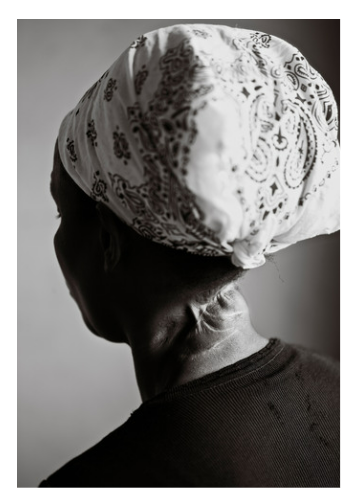
As Rwanda officially marked the end of the annual 100-day genocide commemoration period this month, it is worth reflecting on the complex experiences and dilemmas facing many survivors of the 1994 genocide against the Tutsi. The stories we often hear about genocide survivors are ones portraying uplifting tales of resilience – accounts of how survivors have been able to move forward and rebuild their lives with the help of the current government. However, behind these simplistic narratives lies a much more complex reality.
For a survivor like me and many others, the 100 days of commemoration is not an exercise in national cheerleading. It is an agonizing process of revisiting painful memories and ongoing struggles.
Now, almost 30 years later, survivors are still fighting for justice and the right to freely share their experiences. The current government of Rwanda tightly controls the narrative around the genocide, portraying itself as the protector and savior of survivors. Public criticism or questioning of the government’s handling of memorialization and commemoration is not tolerated. The government’s sanitized version celebrates resilience and self-reconstruction (Kwigira, kwibuka twiyubaka), overlooking the deep wounds that remain.
It may come as a surprise to outsiders reading this blog, but the Government even controls how we remember, how long a typical remembrance event lasts, who speaks in such events, who lay a wreath of flowers first, and what local memorial site to destroy or merge into a bigger one to name just a few of many examples of the state’s appropriation of genocide commemoration.
Memorial sites where massacres occurred are being merged into larger, government-run sites, often situated far away and difficult to access. This move erases the unique stories and experiences tied to each local memory site and robs survivors of their ability to commemorate their loved ones in places that hold personal significance. But these issues cannot be raised without risk of retribution from authorities. Survivors’ experiences are invoked not to listen to their constant challenges but to advance a state’s political agenda and legitimacy.
The RPF government has frequently exploited survivors’ painful memories to reinforce its political power. Survivors who dare to criticize the ruling RPF or question sanitized commemoration activities find themselves labeled as indashima (Ungrateful), “deniers” of the genocide, or simply “ikigarasha,” a derogatory term meaning a useless poker card. Victims’ remains are controversially displayed in museums, which survivor Yvonne Idamange Iryamigwiza, received a 15-year sentence for criticizing.
While the government bears significant responsibility for manipulating survivor stories, some opposition parties are not immune to trivializing their experiences either.
In an attempt to counter the government’s narrative or appeal to their support base, opposition groups especially those operating outside Rwanda reduce survivors’ stories to mere ‘’RPF/Tutsi propaganda’’. Other factions in the opposition go so far as to claim the double genocide theory or draw false equivalencies between the genocide and the tragic but isolated killings of Hutus in the aftermath of the genocide. This false moral equivalence further silences survivors who wish to honor the memory of loved ones brutally murdered.
Caught in the middle of two opposing forces, survivors face the challenging dilemma of telling or not telling their stories. Within the family, stories are told and retold. But in public forums, they feel pressure to conform and present themselves as fully healed, their scars erased. This internal struggle and dilemma are deeply damaging, placing politics over genuine remembrance and healing of survivors. Their stories demand more nuance, empathy, and understanding from all sides.
Genocide survivors have a right to tell their full stories, in all their rawness and complexity. They should not be forced to conform to a government-approved narrative that denies the reality of their experiences and struggles. The truth of the genocide belongs to those who suffered it, not to political leaders who claim authority over the telling.
Rather than being used as pawns in political power plays, survivors deserve to be treated with dignity, empathy, and support. Only then can the commemorations serve their real purpose – to honor the memory of those lost and support those who survived.
Ends


 Justice4 Survivors
Leave a comment