Publiée initialement en kinyarwanda, la langue du Rwanda, le 27 novembre 2024, cette déclaration est aujourd’hui proposée en français afin d’informer le public francophone. Nous souhaitons ainsi sensibiliser le monde entier à la situation particulièrement préoccupante que vivent les Rescapés du génocide contre les Tutsis.
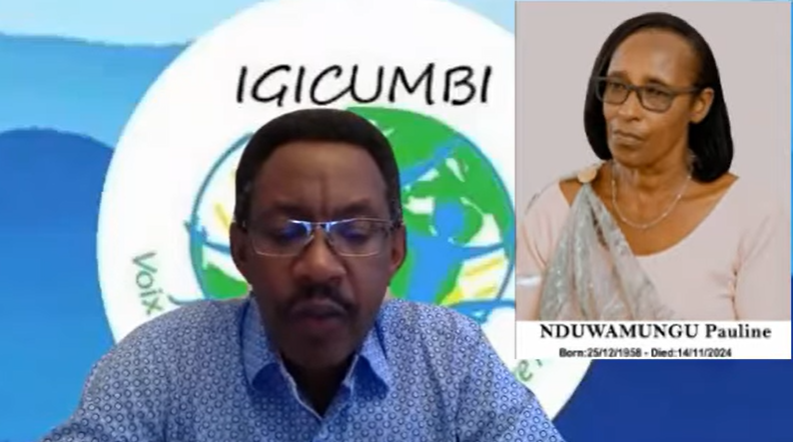
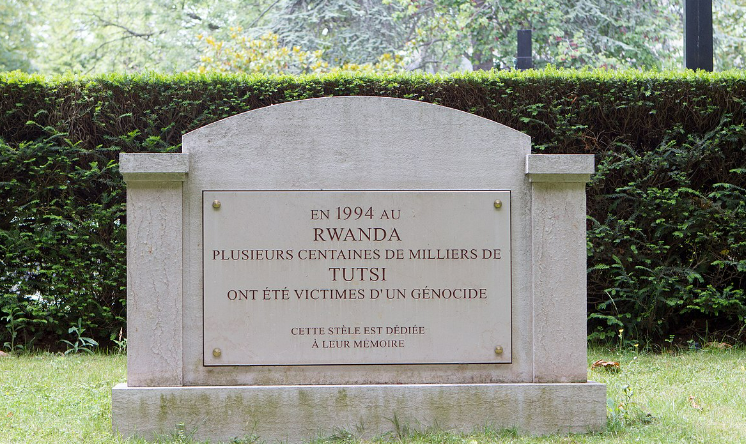
Ce discours de lancement, prononcé à la première heure du 7 avril, 2024, par Dr. Philippe Basabose, président en exercice de l’Association Igicumbi, revient, sans détours, sans tabous ni complaisance, sur les axes principaux de la terrible tragédie du génocide contre les Tutsi et de la période de 30 ans qui l’a suivie. Il lance aussi une invitation à entrer dans cette période commémorative avec calme, courage et tolérance.
Au nom d’Igicumbi, Dr. Philippe Basabose saisit également cette occasion pour sonner l’alerte contre une campagne de stigmatisation et de diabolisation des rescapés du génocide contre les Tutsi orchestrée par les partisans du pouvoir de Kigali et dans le silence complice de ce dernier. Le discours était en kinyarwanda ; nous vous proposons ici sa version intégrale en français:
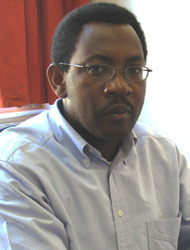
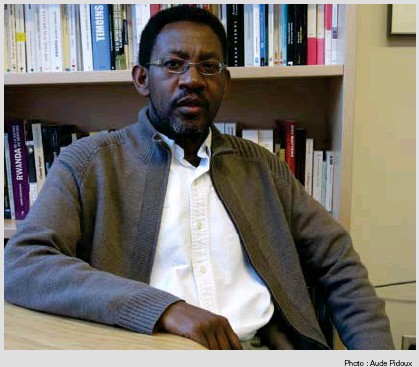
Photo/ Dr. Philippe Basabose, Président de l’Association IGICUMBI – Voix des Rescapés du Génocide contre les Tutsi
Le 17 février 2020 restera, dans les annales des assassinats et exécutions sommaires au Rwanda, une des dates les plus sombres. C’est le jour où le grand chanteur de gospel et messager de la paix et de la réconciliation, Kizito Mihigo, a été assassiné alors qu’il était en détention dans un cachot de la police rwandaise à Kigali.
Quatre ans après ce crime sordide, ses frères et sœurs rescapés du génocide contre les Tutsi de l’Association IGICUMBI – Voix desRescapés du génocide contre les Tutsi ont commémoré sa vie ainsi que celles de bien d’autres rescapé(e)s de la même tragédie qui ont perdu leurs vies par la main du pouvoir du FPR.
En plus d’honorer leur mémoire, ils ont ouvertement pointé du doigt le Président Paul Kagame comme le principal commanditaire de ces crimes ou en tous cas celui sans l’aval de qui la plupart d’entre eux n’auraient pas été commis. Ils ont dénoncé différents autres méfaits commis par le régime de Kagame à leur endroit et la totale impunité dont ils sont couverts. « Ces crimes et ces méfaits, a souligné Dr. Philippe Basabose, Président en exercice d’IGICUMBI, dans son adresse pour la circonstance, continuent et aggravent les conséquences du génocide contre les Tutsi sur ses rescapé(e)s ».
The version has been enriched with some footnotes or parenthetical notes to guide readers who are not aware of the context of certain details mentioned in the speech which was delivered in Kinyarwanda, the language of Rwanda.
For quite some time, genocide survivors like me were spoon-fed the myth that the current Rwandan regime was our savior, the perfect protector of our peace and security. However, the recent Human Rights Watch report “Join Us or Die”, tears off that mask of deception. Published a few weeks ago, it confirms what many of us knew all along – this supposed protector is a fraud. He betrays and attacks the very people he claims to shield.
It may be unheard of for outsiders, but so many survivors narrowly survived the Hutu’s machetes in the 1994 genocide only to later get killed in staged accidents or be strangled in custody under the current regime.
The report lays bare how even we genocide survivors are not immune from Rwanda’s repression tactics when we challenge the government’s narrative or expose ongoing abuses. It debunks the mainstream myth in the Western media that the current Rwandan regime does not oppress Tutsi survivors who survived inside Rwanda during the genocide just because it is a predominantly Tutsi government itself. By interviewing survivors and finally amplifying their voices, Human Rights Watch dispels that misconception.
The report exposes the government’s tactics to intimidate critics abroad, including fellow survivors. Tactics include online harassment, physical threats, social exclusion from fearful family and friends, and intimidating survivors’ relatives at home. The report unveils the daily struggles that survivors face – struggles that most Rwandans know well but had remained concealed from the outside world.
Several exiled survivors faced aggressive online smears when speaking out against RPF abuses, accused of denying the genocide or supporting “divisionism”- a vague charge often used to silence dissent.
The report cites Dr. Philippe Basabose, a survivor in Canada who co-founded the only independent survivor group, Igicumbi, the Voice of Survivors, of which I’m a member. After he called for an investigation into Kizito Mihigo’s death in custody in 2020, Basabose was bombarded with online attacks, his family back in Rwanda was harassed by pro-government media and publically attacked by authorities in the highest levels of government such as Cabinet Minister Bizimana Jean Damascene.
Other survivors were also targeted and relatives were pressured to shun them, reopening their trauma. Worryingly, some survivors reported relatives being detained, disappeared, or killed under suspicious circumstances back home after they spoke up.
As a survivor who has experienced social exclusion, online harassment, and intimidation for speaking out, this report resonates deeply with me. The courage of survivors who speak truth to power in the face of repression, like our very own Dr. Philippe Basabose, inspires me. I believe our voices are critical to exposing ongoing abuses and preserving our history.
I will not reproduce any sections of the report here, but I urge fellow survivors to read it here and make your voices heard. The Rwandan government exploits our trauma to muzzle and discredit us when we deviate from its tightly controlled narrative.
By shedding light on these abuses, we can hope to stop the repression of genocide survivors by the very government that claims to have rescued us. Our stories must be told.
Dans son discours de lancement de la 29ème commémoration du Génocide contre les Tutsi de 1994, le Président de l’Association Igicumbi – Voix des Rescapés du Génocide contre les Tutsi, Dr. Philippe Basabose, fortifie ses camarades rescapés de cette tragédie et les appelle à l’unité pour une commémoration digne, respectueuse.
Il saisit l’occasion pour dénoncer les tueries et les actes de violence dirigés contre les rescapés, qui accompagnent régulièrement cette période de commémoration. Il appelle également tous ceux qui instrumentalisent le génocide contre les Tutsi et sa commémoration à des fins politiciennes à revenir à la raison et à laisser les rescapés commémorer les leurs dans le respect qu’ils leur doivent.
À tout le monde, il rappelle que la commémoration est aussi une occasion de réfléchir sur les voies de sortir dignement et humainement de l’une des pires tragédies de l’histoire qu’est ce génocide qui a emporté plus d’un million de Tutsi et certains autres Rwandais qui n’appuyaient pas le projet génocidaire.
Cliquez pour lire l’intégralité du discours en PDF ci-dessous.
Kwitwa cyangwa kwiyita uwacitse ku icumu rya jenoside yakorwe abatutsi cyane cyane kubatuye hanze y’u Rwanda bisigaye bisa nkaho ari umudeli ugezweho! Umuhutu wabaye mu nkambi za Tingi Tingi arandika igitabo ati narokotse jenoside yakorewe abatutsi. Umututsi wavukiye mu buhungiro i Bugande cyangwa mu bindi bihugu uvuganye n’ibitangazamakuru mu mahanga ati narokotse jenoside! Uwahunze ubwicanyi bwibasiye Abatutsi uko ingoma mputu zagiye zisimburana kuva muri 59 ati narokotse jenoside yakorewe abatutsi! None amaherezo, uwarokotse jenoside yakorewe abatutsi ni nde?
Nisunze Dr. Philippe Basabose, Umwarimu akaba n’Umuyobozi w’ishami ry’indimi, ubuvanganzo n’umuco muri Kaminuza Memorial University mu gihugu cya Canada, ngo adufashe gusesengura iki kibazo.
Dr. Basabose mu nyandiko irambuye yasohoye none arasubiza iki kibazo mu magambo yumvikana kandi atanyura ku ruhande. Uwacitse ku icumu rya génocide yakorewe abatutsi ni nde?Kanda hano usome inyandiko irambuye ya Dr. Basabose
Mu ncamake Dr. Basabose aragira ati:
Uwacitse ku icumu ni uwarigezwe!
uwacitse ku icumu rya génocide yakorewe abatutsi, ni uwarigezwe, ni uwarihigishijwe, ni uwari aho iyo génocide yabereye igihe yabereye. Ni abo umugambi wo kumara abatutsi wacuzwe muri contexte y’intambara ya 1990-94 wari ugamije kurimbura. Numva ibi bitagombye kugorana kubyumva kubera izi mpamvu :
3) Iyi myaka hafi 25 ishize génocide ibaye abayirokotse benshi, abayibonye batahigwaga ndetse n’abayikoze batanze ubuhamya bwinshi (ku buhamya bw’abakoze génocide wareba cyane cyane ibyavugiwe mu nkiko za gacaca cyangwa ubuhamya bwakusanyijwe n’abanditsi batandukanye). Mu magambo abicanyi bavugaga ntibigeze bahisha uwo bahigaga haba ku maradiyo, mu ma nama bakoreshaga, mu nduru bavuzaga bakangurira abahutu bose guhaguruka bakica abatutsi.
Dr. Philippe Basabose. Photo/Aude Pidoux
Nta Mpongano
Niba ushaka aho akaga k’abahutu bishwe muri génocide gatandukaniye n’ak’abatutsi bicwaga barimo, utekereze kuri imwe mu ntwaro zakoreshejwe muri génocide yitwaga “ntampongano”. Umuhutu yari guhonga, akihakana ibiterezo bye, akambara uruhu rw’abicanyi akaba umwicanyi mu bandi ntiyicwe mu gihe umututsi nta mpongano n’imwe yashoboraga gutanga ngo ntiyicwe.
Wibuke ko guhonga kwariho ku mututsi kutari ku gukiza ubuzima ahubwo kwari ku kwicwa “neza” (gutanga amafaranga ngo wicishwe isasu cyangwa wicwe utagaraguwe, n’ibindi). Aha na ho unyumve neza, sintesha agaciro na busa ubuzima bw’abahutu bishwe muri génocide bazira ibitekerezo bya bo. Umuntu wishwe kubera yagaragaje ko adashyigikiye umugambi wo kwica njye numva ari umu martyr, ari intwari ikwiye guhora yibukwa.
Ese abo mu miryango y’abo bahutu barokotse ni abacikacumu ba génocide yakorewe abatutsi? Niba barahizwe, wavuga ko ari abacikacumu b’ubwicanyi bwakorewe abahutu batavugaga rumwe n’abagénocidaires.
Ubwicanyi bwa 59,…
Kwibaza niba ubwicanyi bwakorewe abatutsi hagati ya 1959 na mbere ya génocide yemejwe na ONU na bwo ari génocide ubwabyo ni ikibazo gifite ishingiro.Ese hagize usaba ko ubwicanyi bwakorewe abatutsi mbere y’iyi génocide na bwo bwitwa génocide bikemerwa, byafatanywa n’iyi génocide byose bikitwa génocide imwe cyangwa zaba génocides ebyiri (cyangwa zinarenze ebyiri bitewe n’inshuro ubwo bwicanyi bwabaye)? Kubera iki kibazo gishingiye kuri “bigenze bitya” (question hypothétique), nta gisubizo ngifitiye. Cyakora ku bwanjye numva uwabigira génocide imwe hari aho yaba ayobye.
Gucica ku icumu ni akaga. Si ishema, si ikivugo!
Kuba umucikacumu ni akaga. Si ishema, si icyivugo. Umucikacumu wese azi icyo abana ku mutima. Niba koko hari uwumva na we ashaka kwitwa umucikacumu wa génocide yakorewe abatutsi atari we (nk’uko nagerageje kubisobanura), n’ubwo navuze ko atari ngombwa kugereranya akababaro, sinzi niba azi icyo arwanira? Sinzi niba atekereza akaga uwarokotse génocide abana na ko.