Tag: France

  • France: Arresting Genocide Suspects, Not Our Problem

    France: Arresting Genocide Suspects, Not Our Problem

    The role of France in the 1994 Rwandan Genocide against the Tutsi has become a piece of common knowledge now. Watch France 24 report revealing new documents suggesting that orders not to arrest those responsible for the genocide of Tutsi came straight from Elysee, the French President office. Click here to watch the entire video report. 

    Albert.

  • Elusive Justice


    Bisesero in 2015. Photo/AFP

    French judges have rejected a bid by survivors of Rwanda’s genocide to reopen an investigation into claims that French troops were responsible for the deaths of hundreds of people they had promised to rescue.
    A source close to the case said Wednesday that three war crimes judges had on November 22 dismissed the bid to reopen an investigation that symbolizes deep wounds between Rwanda and France over the 1994 slaughter.

    Six survivors, backed by human rights groups and other plaintiffs, had launched a legal case in 2005 accusing French soldiers of abandoning Tutsi civilians in Bisesero, western Rwanda, in June 1994.
    The probe was shut down in July as no one had been charged during 13 years of investigation.

    The survivors say French soldiers had promised to rescue terrified Tutsis hiding in the hills of Bisesero at the height of the killing on June 27, 1994.
    The troops arrived only three days later — after hundreds of people had been massacred by genocidal allies of the Hutu government which had been backed by Paris for years.
    Their deaths came nearly three months into the 100-day killing spree that left an estimated 800,000 people dead, most of them members of the Tutsi ethnic minority.

    In October, the plaintiffs’ lawyers filed a request urging investigators to take further action despite the case being closed, including seeking testimony from soldiers and journalists who were nearby on June 27, 1994.
    But the judges ruled that further enquiry would “not be useful to ascertain the truth, nor reasonable given how long proceedings have been underway”.
    Patrick Baudouin, a lawyer for the Paris-based International Federation for Human Rights, said the plaintiffs intended to appeal the latest decision.

    France’s support for the ethnic Hutu forces which carried out most of the slaughter has been a source of deep acrimony in its relations with Rwanda ever since the genocide.
    France has admitted mistakes but denied Rwandan accusations of complicity in the mass killings.

    Source: First appeared in AFP today. 

  • 200 most wanted Rwanda genocide criminals

    200 most wanted Rwanda genocide criminals


    Photo: ICTR

    The National Public Prosecution Authority of Rwanda (NPPA) in 2017-2018 issued 218 indictments against fugitives of the 1994 genocide, Prosecutor General Jean Bosco Mutangana said yesterday on Twitter. Click here to access the list and photos of some of the world’ most dangerous bad guys of our time.

    Mutangana said the majority of fugitives indicted are currently living in 14 countries mainly in Africa and Europe.

    The Democratic Republic of Congo tops the list of countries that provide safe heaven to genocide fugitives. Uganda, France, Malawi, and Kenya come next on the list with dozens of fugitives sheltered on their territory.

    According to NPPA 2018 annual report, nearly 1,000 indictments of genocide fugitives hiding abroad have been issued over the last decade.

    Although the NPPA made significant progress in terms of investigating genocide fugitives abroad, the equally important task of tracking fugitives running free within the country fell between the cracks. When the Gacaca courts closed business six years ago, the national Service of Gacaca Jurisdictions handed over to the NPPA 71,658 cases of genocide fugitives convicted in absentia. These criminals are yet to be brought to justice.

    It remains to be seen if any of these criminals at-home or abroad will ever be apprehended. End

    Albert.

  • Justice at last: Two ”genocidaires” convicted for life today.

    Octavier Ngenzi Tito barahira
    Genocide criminals Octavier Ngenzi and Tito Barahira. Photo/Rushyashya.

    A French court on Friday upheld life sentences for two former Rwandan mayors for taking part in the massacre of hundreds of ethnic Tutsis during the country’s 1994 genocide.

    Octavien Ngenzi, 60, and Tito Barahira, 67, had launched an appeal after they were found guilty in 2016 of crimes against humanity, genocide and summary executions in their village of Kabarondo.

    Relatives of the pair sobbed quietly as the ruling was read out in court, while Ngenzi and Barahira listened in silence.

    They will have five days to decide whether they will appeal the ruling again to a higher court.

    “This decision is just and sends a message: no to impunity for all those who took part in the genocide and who thought they could find refuge in France,” said Alain Gauthier, head of a group which has pushed for French investigations into the genocide.

    Some 2,000 people seeking refuge in a church were hacked to death in Kabarondo during seven hours of carnage, among some 800,000 people killed during the genocide by Hutu extremists.

    Ngenzi and Barahira’s were the stiffest genocide sentences ever handed down by a French court, after former Rwandan army captain Pascal Simbikangwa received 25 years in solitary confinement in 2014.

    All three were arrested in France and judged under universal jurisdiction which permits states to rule on serious crimes regardless of the suspect’s nationality or where the wrongdoing was committed.

    Ngenzi and Barahira had denied the charges that they acted as “supervisors” and “executioners” in the massacre.

    Ngenzi has been in custody since 2010 when he was captured in the French overseas department of Mayotte off the east coast of Africa, where he had been living under a false name.

    Barahira was arrested in 2013 in the southwestern French city of Toulouse where he was living.

    The genocide has been a source of tension between France and Rwanda for decades.

    Rwanda has long accused France of complicity in the mass killings through its support of ethnic Hutu forces who carried out most of the slaughter.

    France has admitted it made mistakes but insists it never had a role in the massacre. It had previously also been accused of dragging its feet over prosecuting cases.
    © 2018 AFP

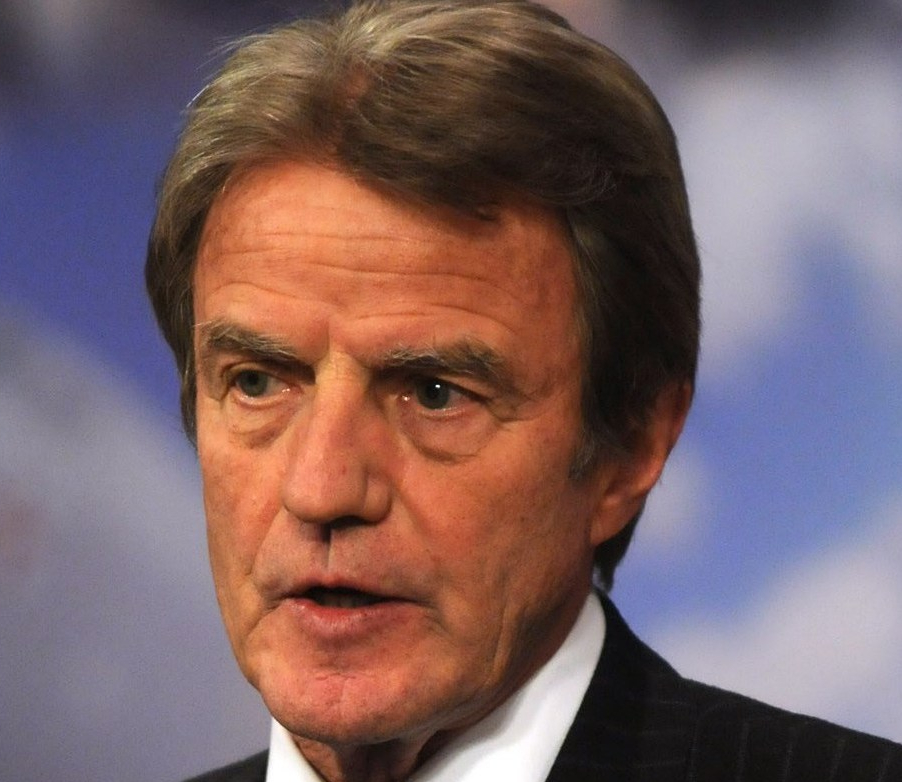
  • Bernard Kouchner’ statement: Empty words.

    Bernard Kouchner’ statement: Empty words.

    Foreign Ministers Meeting at NATO Headquarters in Brussels- Press Point Bernard Kouchner (Minister of Foreign Affairs, France)
    Photo/Nato. Bernard Kouchner ( Ex.Minister of Foreign Affairs, France)

    When I opened up my social media feed yesterday, the news about Bernard Kouchner, the French ex- Foreign Minister was a headline. In an interview with a French daily newspaper, La Croix, Kouchner said on Sunday 7/1/2018 that  in 1994 France had “committed a very heavy political mistake” in Rwanda. The “French decision makers did not want to see” at the time that they “were friends with the ‘genocidaires’ in this country” he said.  While many people seem to have praised  this statement as a step forward in uncovering the role of France in the extermination of Rwanda’s Tutsis by French-backed Hutus, I have to confess that I received this statement with mixed feelings.

    First, the statement seems to be a sharp U-Turn from his own statement on Al Jazeera back in 2014 in which he called France to apologize for its role in the genocide against the Tutsi in Rwanda. It is unclear whether yesterday’s statement is actually a self-contradiction or whether it reflects Kouchner’s current version of the events of 1994.

    Second, Reducing French’s involvement to just ‘’ a political mistake’’ is an understatement and a deliberate aberration to common knowledge. This was a genocide Co-authored by France as a political tool to maintain French influence in Rwanda at the cost of over one million Tutsis men, women and children. We, the survivors, saw this with our own eyes: we saw French soldiers hand in hand with Hutu Killers, training them, manning check points with them to prevent us from escaping. As we were being hunted down like wild animals in 1994, France is perhaps the only country in the world that rolled red caped for the genocidal government right in the midst of genocide. If France did not shy away from shaking hands with those devils then, why is it dragging its feet when it comes to do the right thing now?

    Today, thanks to ordinary French people themselves, writers, journalists and students, the role of France during the Genocide of Tutsi in Rwanda is crystal clear than ever:  France had not made just  ‘’  a political mistake’’.  France made a criminal and well calculated political choice to be accomplice at the highest level in the last genocide of the 20th century. Any statement different from this fact is simply a nonsense that should not be insinuated by a respectable statesman and activist like Bernard Kouchner whose organization—Doctors Without Borders won a Nobel peace prize.

    Finally, having been trained in French-based law myself, I remember a provision in French text laws that reads’’ le complice est puni comme auteur de l’infraction’’ which translates, the accomplice shall be punished as the perpetrator of the crime.  This is exactly what should be done sooner or later. As we approach the 25th anniversary of genocide against the Tutsi, It is high time for current and former French officials like Bernard Kouchner to own their shameful responsibility by arresting genocide suspects still roaming free in France then apologize and ultimately pay reparations to the survivors. That’s the right thing France should be doing instead of playing with politically correct but empty words.

    Al.G

    French youth jet in on mission to denounce complicity in Genocide

    Bernard Kouchner statement

    FRANCE/RWANDA – 2014 WILL BE KEY FOR FRENCH JUSTICE ON THE RWANDAN GENOCIDE

    Exclusive: United States’ secrets about Rwanda genocide revealed

  • ICTR holds final hearings

    Judge at Rwanda tribunal

    The International Criminal Tribunal for Rwanda has held its final hearings into crimes carried out during the 1994 genocide in which 800,000 people died.

    In more than 20 years of operation, the UN-backed court has indicted 93 people for their roles in the violence.

    It was the first international tribunal to deliver verdicts in relation to genocide and recognise rape as a means of carrying out genocide.

    Sixty-one defendants were convicted and 14 were acquitted.

    Others were referred for trial elsewhere, died before or during their trials, were fugitives or had their indictments withdrawn.

    Six appeals

    The last defendant to appear before the court, based in the Tanzanian town of Arusha, was former Rwanda women’s minister Pauline Nyiramasuhuko, who was appealing against her conviction for genocide and incitement to rape.

    In 2011 she became the first woman to be found guilty of such crimes by an international tribunal.

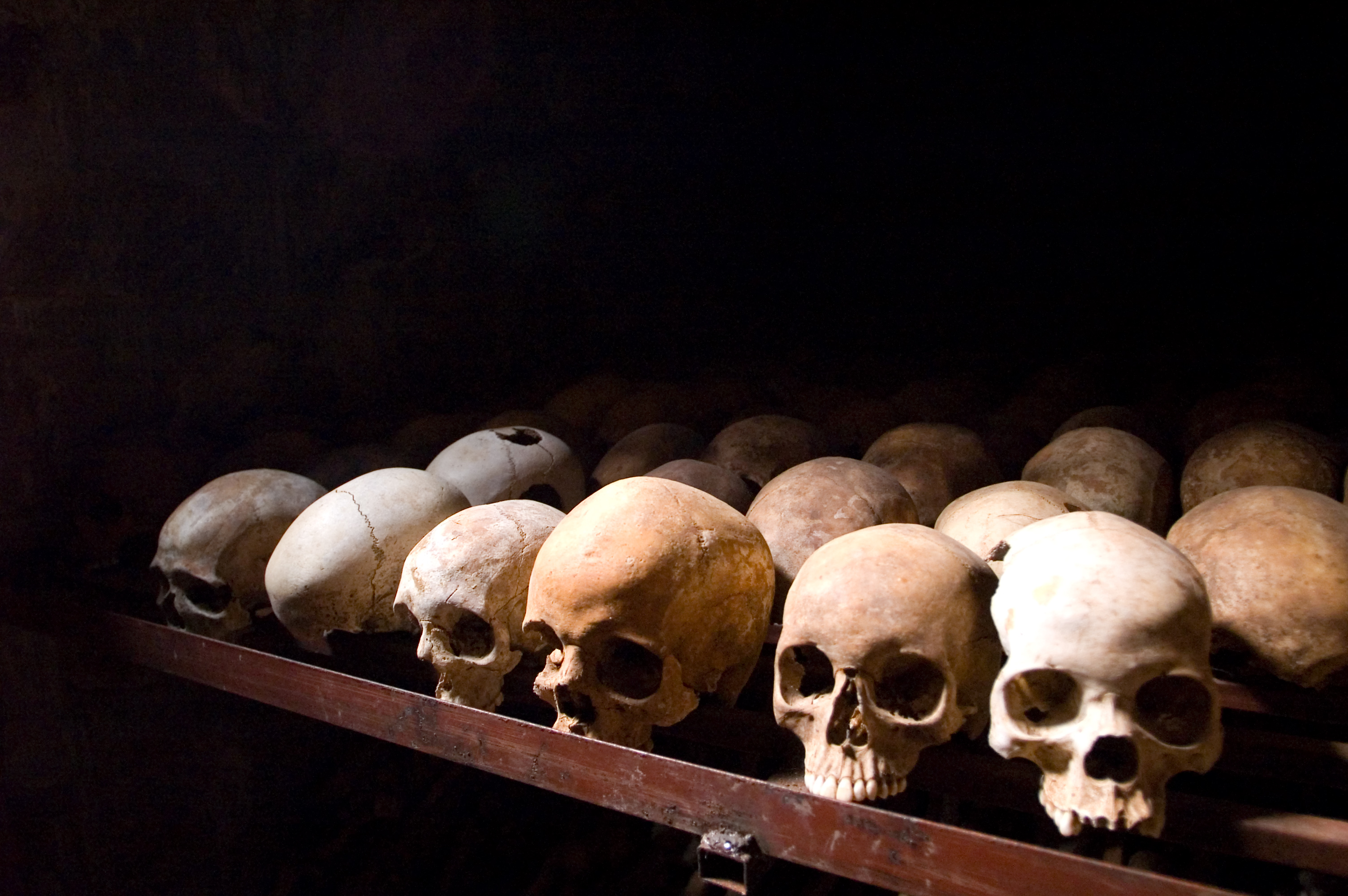
    Skulls of Rwanda genocide victims
    The killings took place in Rwanda’s southern Butare region over about 100 days

    Ms Nyiramasuhuko begged the appeal judges to acquit her, saying she was “not the type to commit these heinous crimes for which I was sentenced”.

    The court had earlier heard appeals from five other defendants, including one of Ms Nyiramasuhuko’s sons, Arsene Shalom Ntahobali.

    He was a militia leader in Rwanda’s southern Butare region at the time of the killings and was sentenced in 2011 to life in prison for genocide, extermination and rape as a crime against humanity.

    Four other co-accused people, all serving long jail terms, were senior officials in Butare when mostly members of the minority Tutsi community were massacred, largely by ethnic Hutus.

    Verdicts in the six appeals are expected later this year.End

    First appeared at BBC

  • ICTR Legacy: GREY AREAS REMAIN AS RWANDA TRIBUNAL PREPARES TO CLOSE

    justice1.jpg

    The International Criminal Tribunal for Rwanda (ICTR) must in theory close its doors on December 31. On November 8, it celebrated twenty years of existence. While the Tribunal’s contribution to fighting impunity is clear, observers point to remaining grey areas of its legacy. These include the failure to prosecute alleged crimes by one of the parties to the 1994 conflict in Rwanda; lack of any mechanism for victim reparations; acquitted persons with nowhere to go; and nine top suspects still on the run.

    The ICTR was set up under UN Security Council Resolution 955, which gave it a mandate to hunt down and bring to justice those most responsible for “genocide and other serious violations of international humanitarian law committed in the territory of Rwanda, and Rwandan citizens responsible for genocide and other such violations committed in the territory of neighbouring States, between 1 January 1994 and 31 December 1994.”

    Twenty years on, observers agree on one point: most, if not all the individuals tried by the ICTR would still be free if the international community had not created this Tribunal, based in Arusha, northern Tanzania.

    Since its first trial started in 1997, the ICTR has convicted 60 people (of whom seven are still on appeal) and acquitted 14 others accused of having played a leading role in the anti-Tutsi genocide. One witness and one investigator have also been tried and sentenced for contempt of court. Those convicted include former Prime Minister Jean-Kambanda and other members of his government, army generals, businessmen, clergy and members of the media.

    But some analysts, like French sociologist André Guichaoua who has testified as an expert in several ICTR trials, think the Tribunal has not fully implemented its mandate. “Choosing to focus on prosecuting and trying the authors of the genocide was justified in the conditions that were those of the ICTR when it was set up, as well as a duty towards the victims and survivors,” he said in a recent interview with Hirondelle News. “But the fact that successive Prosecutors subsequently bowed – with the blessing of the UN Security Council – to the refusal of the military men in power (in Kigali) to have the whole of the Court’s mandate carried out has weakened its credibility and the scope of its judgments, truth telling and most certainly the appeasing of passions and controversies between parties to the conflict,” he said. “So the task given to the ICTR has not been completed,” added Guichaoua, in reference to crimes allegedly perpetrated by members of the RPA, former armed wing of the ex-rebel Rwandan Patriotic Front (RPF) now in power in Kigali.

    Current ICTR Prosecutor Hassan Bubacar Jallow refutes this allegation. At a press conference on November 5 at the Tribunal headquarters, the Gambian lawyer said his team had “never been prevented from investigating” allegations against the RPF. Jallow thus rejected claims that some Western powers, notably the United States, have blocked the “special investigations” started by Swiss former Prosecutor Carla del Ponte, who was Jallow’s predecessor. “We have conducted investigations and concluded that there was a case, the case concerning the killing of (Catholic) bishops” in June 1994 in Kabgayi, central Rwanda, Jallow said.

    “Mandate not fulfilled”

    Among the 13 clergy killed – almost all Hutus – were three bishops. The case was entrusted to Rwanda by the ICTR Prosecutor. In October 2008, following a trial, a Rwandan court acquitted General Wilson Gumisiriza and Major Wilson Ukwishaka and sentenced the two other co-accused, both of lesser rank, to five years in prison.

    But Human Rights Watch (HRW), which says it helped Jallow’s team in this investigation, does not think justice has been done. “The case was not vigorously prosecuted and did not pursue the evidence suggesting a planned military operation ordered by more senior level commanders,” HRW Executive Director Kenneth Roth said in a letter to Jallow on August 14, 2009. “The prosecutor did not pursue more senior commanders who had been involved in the military operation and against whom evidence exists.”

    “We continue to believe that your mandate as Chief Prosecutor at the ICTR will not be fulfilled until you pursue all senior commanders responsible for atrocities committed in Rwanda in 1994,” Roth also said in the letter to Jallow.

    For genocide survivors, their main criticism of the Tribunal is the absence in its governing texts of any mechanism to provide reparations for victims. This is a criticism not so much of the ICTR itself but of the UN Security Council which set it up. “The ICTR still lacks this important component of reconciliation because it doesn’t have a fund to compensate victims,” said Naphtal Ahishakiye, Secretary General of the main survivors’ organization Ibuka (meaning “Remember” in the Rwandan language), on November 8.

    Ibuka President Jean-Pierre Dusingizemungu launched the same appeal on April 10 this year as he was attending a genocide remembrance ceremony at the ICTR’s headquarters. “As we commemorate the 20th anniversary of the genocide, reparations are at the heart of what Ibuka is asking for,” he said. “And we think this is the moment for the (Rwandan) government and the international community to redouble their efforts to put in place a reparation mechanism for victims.”

    Whereas the ICTR Statutes do not provide for any reparation or participation mechanism for victims, those of the International Criminal Court (ICC) do. At the ICC, victims have a right to present their observations and question witnesses through their representatives. At the end of a trial, they can ask for reparations for harm suffered. The Rome Statute which founded the ICC also set up a Trust Fund for Victims, which is independent of the Court. “Our recommendation now is that an international Fund be set up for victims,” the Ibuka president concluded.

    Three “big fish” still on the run

    The Collective of survivors’ associations is also calling for the international community to continue hunting for the nine ICTR accused still on the run so that “the closure of the ICTR does not signal the end of justice”. Six of those still at large have had their cases transferred to Rwanda, which now has the first responsibility to track them down. The three others, including rich businessman Félicien Kabuga said to be the financier of the genocide, will be tried if they are caught by the residual Mechanism for International Criminal Tribunals (MICT). In a press statement on November 8, as the ICTR was celebrating its 20th anniversary, the Security Council called on all member states to “cooperate with the ICTR, the Residual Mechanism, and the Government of Rwanda in the arrests and prosecutions of the remaining nine indicted fugitives”.  ICTR Prosecutor Jallow made the same call from Arusha. “The nine fugitives who remain at large (…) need to be arrested and brought to justice,” he said. “This can be done only through the active collaboration of all states to secure the arrest and transfer of these fugitives for trial.”

    Billionnaire Félicien Kabuga, accused notably of having ordered the machetes used to kill Tutsis, is believed by the ICTR to be hiding in Kenya, only six hours by road from the seat of the Tribunal in Arusha. The second “big fish”, former Defence Minister Augustin Bizimana, is said to be in eastern Democratic Republic of Congo (DRC). The third is former presidential guard commander Protais Mpiranya. He was in charge of the élite protection unit of ex-president Juvénal Habyarimana, which was active in the massacres. Mpiranya, who was a commanding member of the FDLR Rwandan Hutu rebels in the eastern DRC, is being protected, according to the ICTR, by senior Zimbabwean officials. However, some Rwandan sources say Bizimana and Mpiranya have died of natural causes. ICTR Prosecutor Jallow contests this.

    On another issue, the ICTR recognizes it has had enormous difficulty finding host countries for the people it has acquitted, and for convicted persons who have served their sentences. Of the 14 acquitted so far, only six have found host countries while the others are still in an ICTR “safe house” in Arusha, along with three people who have served their sentences. “I humbly call on all governments present to see how they can assume this international responsibility and agree to host persons acquitted or freed by the ICTR after serving their sentence,” said ICTR Tanzanian Deputy President  Mohammed Gharib Bilal at the November 8 ceremony. According to the agreement between Tanzania and the UN, people who have been definitively tried by the ICTR must leave Tanzanian territory.

    The fact that acquitted persons cannot leave Tanzania represents a “failure” for the ICTR and a “big human rights challenge”, according to ICTR Registrar Bongani Majola.

    AH/JC
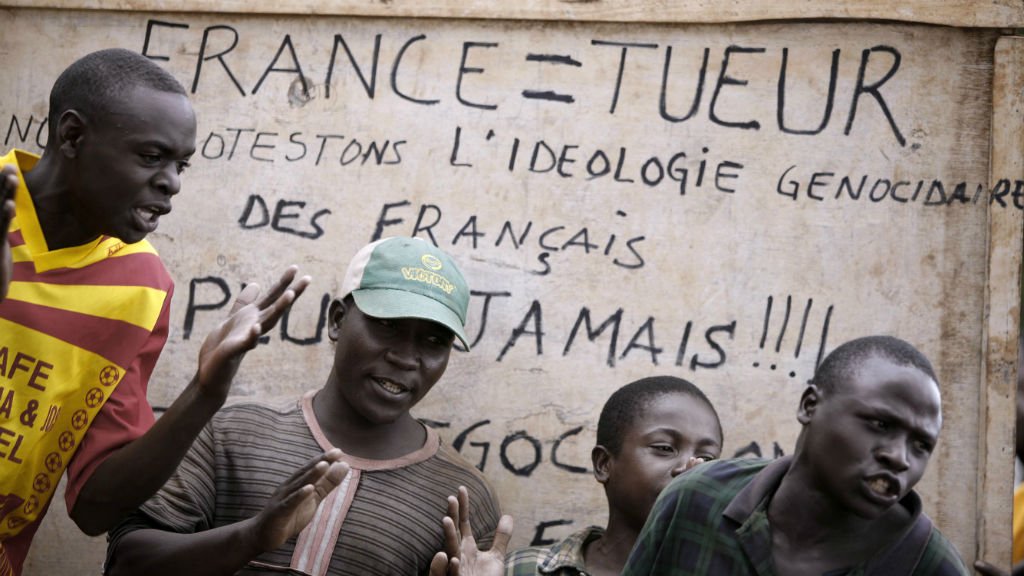
  • Mu Bufaransa hakozwe urugendo basaba ko ubutabera bukurikirana abasirikare bafashe abagore ku ngufu muri Jenoside

    urugendo mu bufaransa

    I Paris mu gihugu cy’ u Bufaransa hakorewe urugendo rugamije gusaba no kumvisha ubutabera ko bwakurikirana ingabo z’ icyo gihugu zafashe abagore ku ngufu muri jenoside yakorewe abatutsi. Abitabiriye uru rugendo mu mujyi wa Paris bavugaga ko hari ingabo z’ abafaransa zagiye zifata ku ngufu impunzi z’abatutsi muri Jenoside 1994 bityo ngo bagomba gukurikiranwa n’ubutabera.

    Ibi bibaye mu gihe ingabo z’ Ubufaransa zikomeje gushinjwa kugira uruhare muri Jenoside yakorewe abatutsi, ariko Ubufaransa bwo ntibushaka kugaragaza no kwemera uruhare rwabwo muri Jenoside yakorewe abatutsi mu 1994.

    Abakoze uru rugendo bavugaga ko ingabo z’abafaransa zagiye zifata impunzi z’abatutsi ku ngufu, nyamara ngo zari zishinzwe kuzirinda mu gihe Jenoside yakorwaga. Ibi ngo ahanini byabereye mu nkambi zari ziyobowe n’abafaransa, aho izi ngabo zajyaga zivangura abagore n’abakobwa b‘abatutsi zigahora zibafata ku ngufu incuro nyinshi.

    Ibi kandi ngo byagiye bikorwa mu gace kataberagamo imirwano kari mu maboko y’ingabo z’abafaransa mu rugamba rwo kubohoza igihugu, agace kari kazwi ku izina rya zone turquoise.

    JPEG - 20.4 kb
    Abitabiriye urugendo bari bafite n’ibitambaro byanditseho ko zone turquoise yatanze icyuho cyo guhohotera bamwe

    Umwe mu bitabiriye uru rugendo Annie Faure yagize ati” ingabo z’abafaransa zari zishinzwe kurinda impunzi z’abanyarwanda, ariko zagiye zigira n’uruhare mu gufata ku ngufu benshi muri bo, ibyo bigomba gukurikiranwa nk’ibyaha byakozwe n’ ubwo hari n’ibigomba gukorwa mu rwego rwa Politiki”

    N’ubwo nta mugore , umukobwa cyangwa umusirikare amazina ye yashyizwe ahagaragara, abenshi mu bafashwe ku ngufu ngo bagiye bumvikana kenshi batanga ubuhamya mu nkiko muri iyi myaka 20 ishize.

    Nyuma y’ ihanurwa ry’indege yari itwaye uwari perezida w’u Rwanda Juvenal Habyarimana, n’ uw’ u Burundi Cyprien Ntaryamira kuya 6 Mata 1994 ni bwo Jenoside yatangiye gukorwa ku mugaragaro n’ ubwo no mu myaka yabanje abatutsi bagiye bicwa ndetse bagatotezwa.

    Jenoside yakorewe abatutsi yahitanye abagera kuri Miliyoni mu minsi ijana gusa, Ubufaransa bukaba bwaratunzwe agatoki kenshi kugira uruhare muri aya mahano.

    Urugero ni nka raporo ya Mucyo mu mwaka w’2008, aho yagaragaje ko ingabo z’abafaransa zahaye imyitozo ya gisirikare interahamwe zagize uruhare mu kwica abatutsi muri Jenoside yo mu 1994. Hari n’ ibindi bitabo n’ ubuhamya butandukanye burimo ubw’ abatutsi barokokeye mu Bisesero n’ ahandi. End

    Rabbi Malo Umucunguzi – imirasire.com

  • French youth jet in on mission to denounce complicity in Genocide

    photo

    L-R: Benjamin Abtan, the president of (EGAM), French journalist Patrick de Saint Exupéry, and Alain Intwaza, the coordinator of GAERG, an association of youth Genocide survivors, hours after the arrival of the European youth in Kigali yesterday. T. Kisambira.

    A twenty-member delegation of young French leaders and their European colleagues yesterday arrived in Kigali as part of a campaign to denounce the role of France in the 1994 Genocide against the Tutsi.

    The youths also say they want to establish contacts with their Rwandan counterparts.

    The delegation comprises leaders of youth wings of political organisations, student unions, anti-racist movements and NGOs, under their umbrella, the European Grassroots Antiracist Movement (Egam).

    Egam brings together at least 35 anti-racist organisations from 29 European countries dedicated to fight racism and related vices.

    The group’s president, Benjamin Abtan, said; “We are here to say no to the silence about the complicity of different French individuals in the 1994 Genocide against Tutsi.”

    “In France, the youth and the old generation are divided on the issue concerning the role our country played during the tragedy,” he told The New Times shortly after their arrival in Kigali.

    He said there had been indifference on the subject on the part of the older French generation.

    “For us, we need truth and clarity (on the matter),” he insisted.

    Laura Slmani, the head of the youth wing of the French Socialist Party, said that most of the French people had little or no idea on the relationship between the former Francois Mitterrand government and the genocidal regime in Rwanda two decades ago. “Our mission is for the French public to understand the whole truth.”

    In a strong-worded statement released last week titled, Tutsi Genocide: Now is time for the truth!, EGAM cites facts that prove France’s involvement in the Genocide and call for an end to concealment of that responsibility.

    “Let’s state it clearly: Paris did support the Rwandan regime before, during and after the Genocide perpetrated against the Tutsi population, which resulted in the death of over 800 000 people between April and July 1994,” the statement reads in part.

    “For the past twenty years, these politicians, in an attempt to save their honour, have refused to answer for their actions and kept trying to obstruct the bursting of the truth by denying France’s involvement, which often tends to sound like denial speech,” it adds.

    During their week-long visit, the youth intends to interact with different officials to understand how the Genocide against the Tutsi was prepared, its execution and the aftermath of the Genocide.

    They will also plan to visit some sites with historical significance about the role of France in the events that took place in Rwanda, such as Genocide memorials in Bisesero and Murambi in the Western and Southern provinces, respectively.

    The European youth will also visit Genocide widows and orphans in different parts of the country.

    The visiting youths were in company of members of GAER, the association of youth Genocide survivors, who included the group coordinator, Alain Intwaza.

    Contact email: editorial[at]newtimes.co.rw

  • France: A new Lawsuit against a genocide fugitive Félicien Baligira

    Baligira

    French activists on Monday filed a fresh lawsuit against one Félicien Baligira, who is accused of masterminding the death of more than 6,000 in the former Cyangugu Prefecture during the 1994 Genocide against the Tutsi.

    Baligira, who currently resides in Nantes, a city in western France, is said to have unleashed members of the Interahamwe militia on thousands of Tutsi who had sought refuge at a Catholic church.

    The group that filed the lawsuit, the Collectif des Parties Civiles pour le Rwanda (CPCR), said the French judiciary has previously refused to extradite Baligira to Rwanda under the pretext that the Rwandan criminal law had not anticipated penalties for the crime of Genocide before it was committed.

    They said the decision by the French Court of Cassation was a “blind application of the principle of non-retroactivity.”

    He was sub-prefect of Ruhengeri at a time when Protais Zigiranyirazo, brother of the former first lady Agathe Habyarimana Kanziga was prefect. He was a stalwart of the then ruling National Republican Movement for Democracy and Development (MRND) political party.

    Baligira, according to the CPCR, participated in several Genocide preparation meetings from 1993 and in April 1994 in the former Communes of Gisuma and Gafunzo, as well as in recruitment of youth for military inscription, at the hospital in Bushenge.

    “He equally participated in the planning and execution of massacres of the Tutsi who had sought refuge at Bushenge hospital and at the Catholic Church parish of Shangi, in Mibilizi, and at the Kamarampaka stadium,” CPCR president Alain Gauthier said in an e-mail.

    First appeared in the New Times